
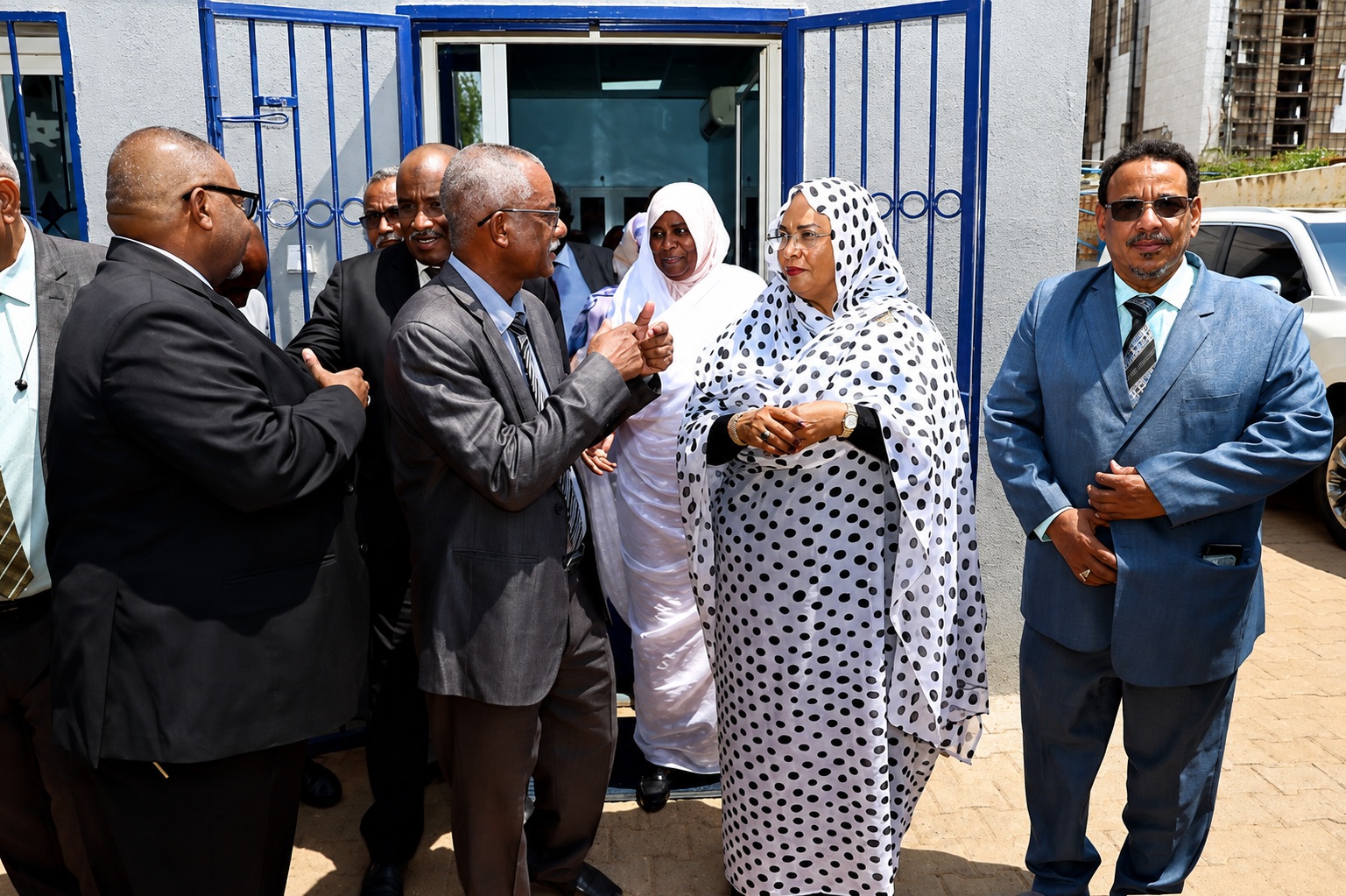
Central Bank Of Sudan: Credit Agency Reactivation Restores Key Services
Summary
- The Central Bank of Sudan reactivated its Credit Information and Rating Agency in Khartoum on August 30, 2026, after years of inactivity.
- Established under the Credit Information and Rating Law 2011 Sudan, the agency is an independent legal entity overseen by the CBOS Governor.
- Its core functions include providing credit information, preparing client credit files, issuing debt reports, and conducting credit ratings while ensuring data confidentiality.
- CBOS Governor Amna Mirghani Hassan Al-Tom inaugurated the agency's rehabilitated building as part of efforts to restore the central bank's operations from Khartoum State.
- This reactivation is expected to significantly impact the Sudan financial sector credit services by re-establishing formal credit assessment and risk management.
What Happened
For legal and compliance professionals, this reactivation introduces a critical element to due diligence processes for transactions and investments in Sudan.
The Central Bank of Sudan (CBOS) officially relaunched its Credit Information and Rating Agency in Khartoum on August 30, 2026, marking the resumption of crucial credit services after a period of dormancy. This strategic move is part of the central bank's broader initiative to bring its headquarters and supporting operational units back into full service from Khartoum State. The Central Bank of Sudan Credit Agency reactivation was formally inaugurated by CBOS Governor Amna Mirghani Hassan Al-Tom at the agency's newly rehabilitated premises on Al-Jumhuriya Street in the capital.
During the inauguration ceremony, Governor Al-Tom was accompanied by Deputy Governors Al-Mu'tasim Abdullah Ahmed and Dr. Sami Abdel Hafeez Saleh. The event also saw the presence of the agency's General Manager, a representative from the Sudanese Banks Union, and several general managers from various departments within the Central Bank of Sudan. Governor Al-Tom inspected the agency's operations and commended the dedication of both the staff and the management for their efforts in resuming its vital functions.
Mandate and Legal Framework
The reactivated entity, known as the Sudan Credit Information and Rating Agency, operates as an independent legal personality, established under the provisions of the Credit Information and Rating Law 2011 Sudan. Its headquarters are situated within Khartoum State, and it functions under the direct oversight of the Central Bank of Sudan Governor. The agency's core mandate encompasses a range of essential financial services designed to bolster the integrity and transparency of the Sudan financial sector credit services.
Key responsibilities of the agency include providing comprehensive credit information services, meticulously preparing credit files for clients, and issuing detailed reports pertaining to the indebtedness of customers across banks and other financial institutions. Furthermore, it is tasked with conducting thorough credit ratings. A fundamental aspect of its operation is ensuring the strict confidentiality of all data and information, while also facilitating the exchange of such data with similar foreign agencies, thereby aligning with international best practices.
Broader Context and Implications
The Central Bank of Sudan announced the agency's reactivation in a statement on Sunday, underscoring its commitment to restoring full operational capacity in Khartoum. This development is particularly significant for the Khartoum banking sector news, as it signals a renewed emphasis on structured credit assessment and risk management within the financial system. The resumption of the Central Bank of Sudan Credit Agency reactivation means that financial institutions will once again have access to formal credit reports, enabling more informed lending and investment decisions.
For legal and compliance professionals, this reactivation introduces a critical element to due diligence processes for transactions and investments in Sudan. The re-establishment of a formal credit rating and information service will impact risk assessment frameworks and compliance requirements for entities engaged in lending, borrowing, or mergers and acquisitions within the country. It signifies a move towards greater financial transparency and accountability, providing a more robust foundation for economic activities.
Practical Implications
Lawyers and compliance officers should note the resumption of credit information and rating services in Sudan, as this impacts due diligence, risk assessment, and compliance requirements for financial transactions and investments in the country. Clients engaging in lending, borrowing, or M&A activities in Sudan will now be subject to renewed credit scrutiny and can access formal credit reports.
Source
How does this affect you?
Get an AI analysis of this article grounded in your jurisdictions, practice areas, and any policy documents you've uploaded to Wansom.
Finish Reading the Full Story and the Expert Analysis.
Wansom is AI and can make mistakes.