
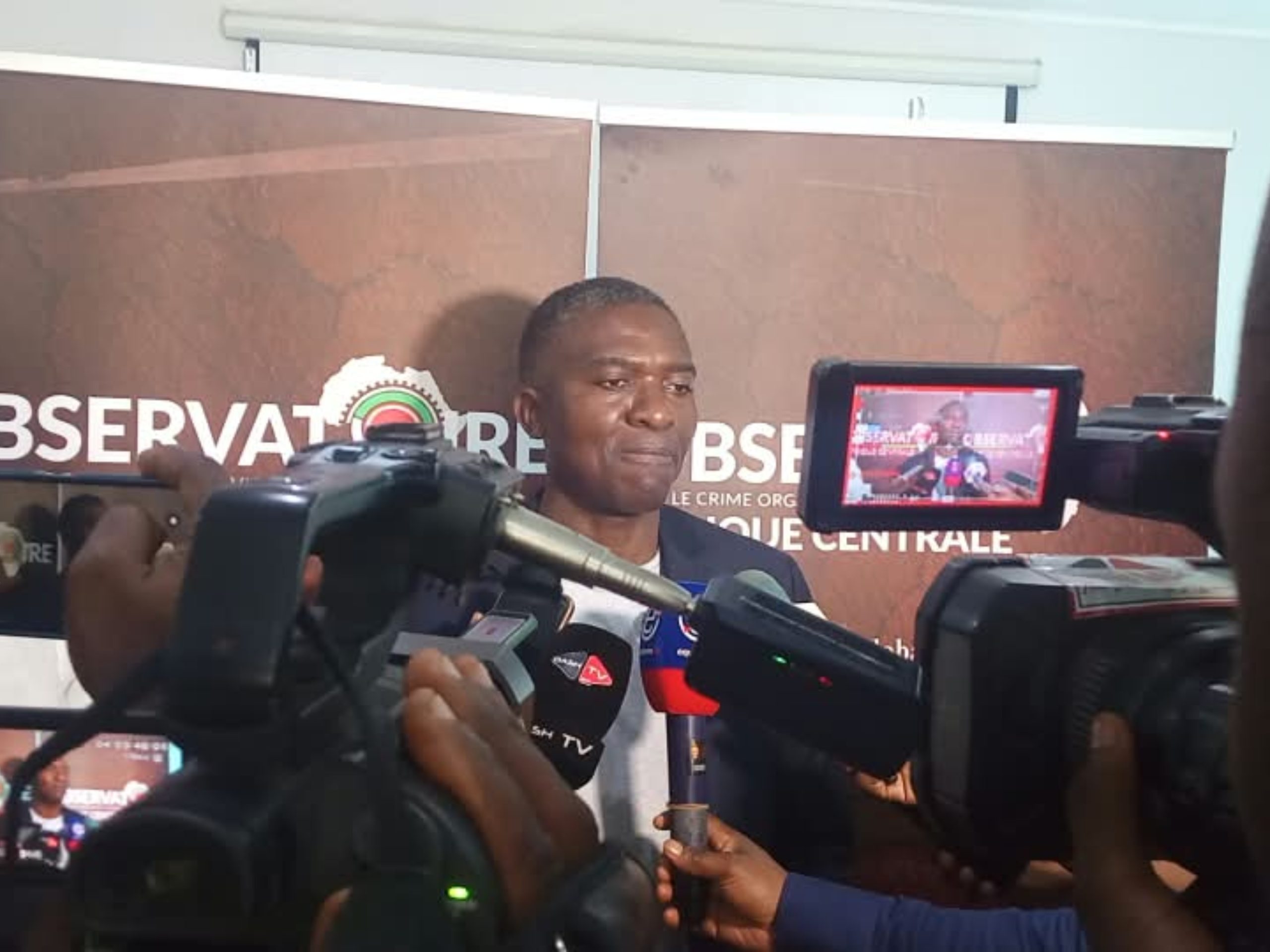
GI-TOC Report: Central Africa Critical Minerals Illicit Trade Fuels Instability
Summary
- A GI-TOC report warns of criminal capture, corruption, and instability risks in Central Africa's critical mineral sector.
- The region holds six critical raw materials, including cobalt, coltan, manganese, antimony, cassiterite, and bauxite, attracting major global powers.
- Lack of traceability, informal mining, and weak governance facilitate illicit trade, armed group involvement, and organized crime.
- The report recommends prohibiting official involvement in supply chains, requiring beneficial ownership disclosure, and strengthening anti-money laundering efforts.
- It also calls for importing countries to condition partnerships on strict international due diligence and traceability standards.
The Looming Threat to Central Africa's Critical Minerals
The report advocates for an outright prohibition on any direct or indirect participation of public officials in mineral supply chains and demands the mandatory publication of beneficial owners for all mining licenses.
Central Africa has emerged as a focal point in the global scramble for strategic resources essential to the energy transition, attracting significant interest from major powers such as China, the United States, the European Union, the United Arab Emirates, and Russia. This intense international competition, while potentially offering new avenues for investment and negotiation to producing nations, also presents substantial risks. A recent report from the Global Initiative Against Transnational Organized Crime (GI-TOC), unveiled in Douala, Cameroon, issues a stark warning regarding the potential for criminal capture, widespread corruption, and escalating instability linked to the exploitation of these vital critical minerals.
The study, titled "Vulnerable Riches: Who will profit from Central Africa's critical minerals?", was the subject of an analysis by journalists and content creators convened by GI-TOC and DataCameroon. The region is exceptionally rich in six key critical raw materials, including cobalt and coltan from the Democratic Republic of Congo, manganese from Gabon, antimony from Chad, and cassiterite and bauxite from Cameroon, alongside the significant potential of the Central African Republic. Despite this immense wealth, the current practice of exporting these minerals largely in their raw form severely limits local economic benefits and job creation, underscoring a critical challenge for regional development.
Pathways for Illicit Trade and Criminal Infiltration
The GI-TOC report, presented by expert Zobel Behalal, identifies several critical vulnerabilities that facilitate the illicit trade of Central Africa's critical minerals. A pervasive lack of traceability throughout the supply chain, coupled with the largely informal nature of the artisanal mining sector and often deficient governance structures, creates fertile ground for criminal networks to infiltrate operations, foster corruption, and engage in widespread contraband activities. These systemic weaknesses undermine legitimate economic activity and pose significant challenges for resource governance in Central Africa.
Alarming documented instances highlight the severity of the situation. These include the direct involvement of armed groups in the eastern Democratic Republic of Congo's mining sector, the criminal capture of antimony exploitation in Chad, and the confirmed presence of organized crime actors operating within Cameroon and the Central African Republic. Furthermore, the report points to Russian geocriminal activities observed around the strategically important Lobito corridor, illustrating the complex web of actors exploiting these vulnerabilities. Such activities underscore the urgent need for enhanced due diligence critical minerals supply chain practices to counter the pervasive criminal elements.
Strengthening Due Diligence and Anti-Money Laundering Protocols
Addressing the pervasive risks of criminal infiltration and corruption in the Central Africa critical minerals illicit trade requires robust and internationally coordinated efforts. The GI-TOC report outlines several firm recommendations aimed at transforming these valuable resources into levers of national sovereignty, rather than allowing them to be diverted by corrupt elites or traffickers. These recommendations are particularly pertinent for lawyers and compliance officers advising clients involved in the region's supply chains, emphasizing the need for stringent anti-money laundering (AML) protocols.
Key among these is a strong emphasis on transparency and anti-corruption measures. The report advocates for an outright prohibition on any direct or indirect participation of public officials in mineral supply chains and demands the mandatory publication of beneficial owners for all mining licenses. Furthermore, it calls for enhanced financial control, urging regional and international bodies like GABAC and the Financial Action Task Force (FATF), along with financial intelligence services, to intensify their efforts against money laundering mining Africa and the financing of armed groups. Finally, the report stresses the crucial responsibility of buyers, recommending that financing and partnerships from importing countries be strictly conditioned on adherence to international standards for due diligence and traceability, thereby placing accountability on the entire supply chain.
Geopolitical Competition and the Call for Responsible Governance
The intense geopolitical competition for Central Africa's critical minerals, while offering potential economic upside, simultaneously amplifies the risks of criminal exploitation and instability. The report highlights that without effective governance and robust oversight, the region's mineral wealth could become a source of conflict and illicit enrichment rather than sustainable development. The challenge lies in ensuring that the benefits of this resource boom genuinely accrue to the producing states and their populations, rather than being siphoned off by criminal elements or corrupt officials.
The current landscape, characterized by the export of largely unprocessed raw materials, means that local economies are missing out on significant value addition and job creation opportunities. This situation, combined with the documented criminal activities, underscores the critical minerals geopolitical risks inherent in the region's resource sector. Implementing the report’s recommendations for enhanced transparency, financial controls, and buyer responsibility is essential to foster legitimate economic growth, combat illicit trade, and ensure that Central Africa's vast mineral wealth contributes to its long-term stability and prosperity.
Practical Implications
Lawyers and compliance officers must advise clients on heightened due diligence and anti-money laundering (AML) protocols for critical mineral supply chains originating from Central Africa, given the documented risks of criminal infiltration, corruption, and conflict financing. They should ensure compliance with international standards for traceability and beneficial ownership disclosure to mitigate legal and reputational exposures.
Source
How does this affect you?
Get an AI analysis of this article grounded in your jurisdictions, practice areas, and any policy documents you've uploaded to Wansom.
Finish Reading the Full Story and the Expert Analysis.
Get the latest legal & regulatory intelligence in Cameroon
Wansom is AI and can make mistakes.