
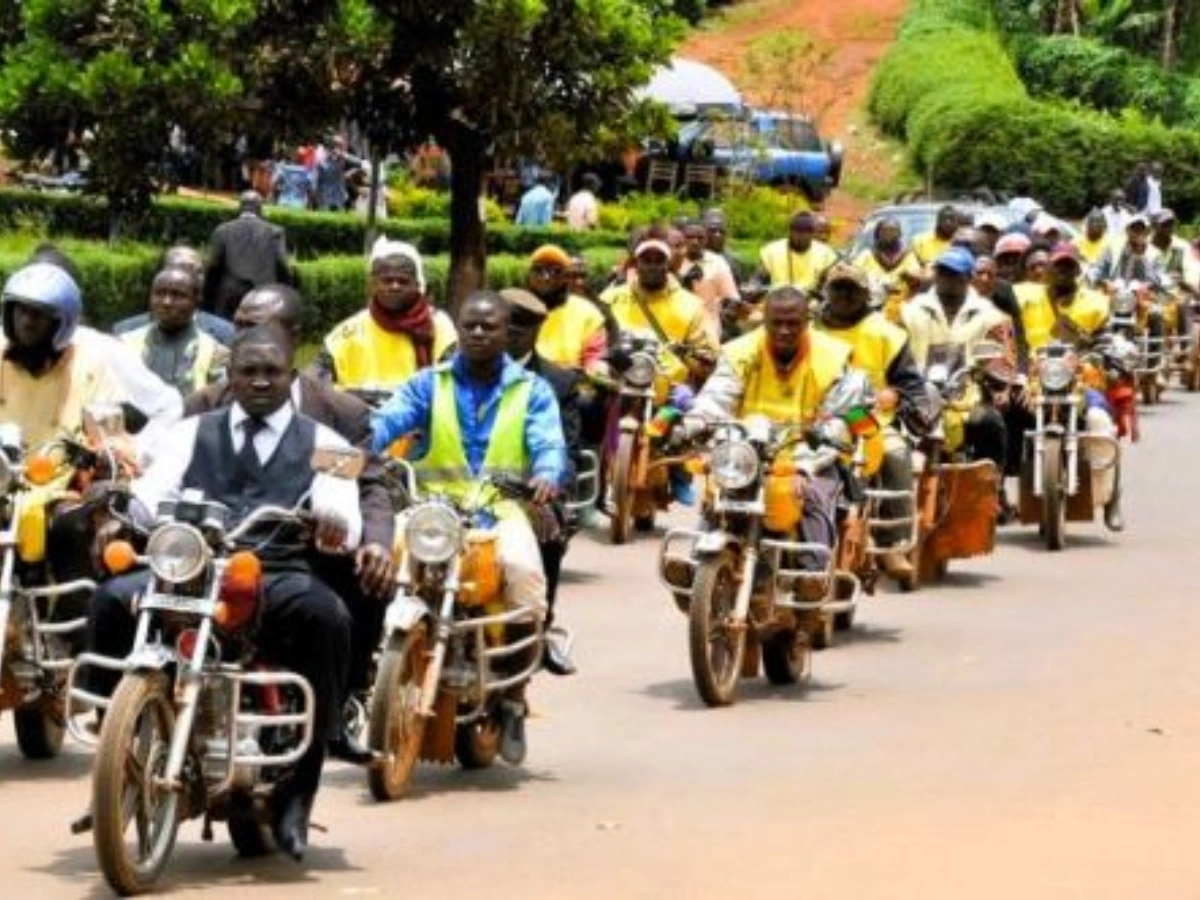
Cameroun: Contrôles Accrus Contre les Mototaxis Non Identifiées
Summary
- Cameroon launched a nationwide operation on November 16, 2026, to control and sanction moto-taxi drivers lacking biometric identification.
- Drivers must now present a valid national identity card or residence permit to operate legally.
- The initiative aims to clean up the sector, which has seen a proliferation of clandestine and insufficiently identified drivers.
- A previous three-year identification campaign only resulted in about 30% of moto-taxi drivers registering nationally.
- The controls seek to accelerate the regularization of the moto-taxi industry and address concerns from transport unions about unregistered operators.
Intensified Controls Begin
The intensified controls are therefore designed to accelerate the regularization of this vital transport activity, enhancing the overall contrôle transport urbain Cameroun and addressing the challenges posed by unregistered operators.
Cameroon has initiated a nationwide operation to control and sanction moto-taxi drivers who lack proper biometric identification. This measure, which commenced on Monday, November 16, 2026, targets the widespread issue of unregistered and inadequately identified operators within the sector. Drivers are now mandated to present either a valid national identity card or a residence permit to legally conduct their activities.
This extensive campaign, focusing on Cameroun contrôles mototaxis non identifiées, follows similar efforts previously directed at taxi owners and drivers. Municipal authorities in Yaoundé, under governmental pressure, have particularly tightened their identification requirements for moto-taxi operators. The primary objective is to bring order to a sector frequently characterized by the proliferation of clandestine drivers.
Regulatory Framework and Challenges
The current controls are part of a broader push for the assainissement secteur mototaxis Cameroun, aiming to regularize the industry. The requirement for identification biométrique mototaxis Cameroun is central to this effort, ensuring that all operators can be properly identified and accounted for. This initiative also addresses concerns regarding the carte nationale identité mototaxi Cameroun, as drivers must possess valid documentation.
Despite an identification campaign launched three years prior, the results have been mixed. Authorities report that only approximately 30% of moto-taxi drivers across the nation have registered. The intensified controls are therefore designed to accelerate the regularization of this vital transport activity, enhancing the overall contrôle transport urbain Cameroun and addressing the challenges posed by unregistered operators.
Stakeholder Perspectives and Rationale
The operation unfolds amidst significant tensions within the transport sector. Transport unions have vocalized their concerns regarding the increasing number of clandestine drivers who operate without the necessary regulatory documents, thereby creating unfair competition for registered professionals. Célestin Bama, president of the Confédération syndicale des travailleurs, suggested that some driver associations inadvertently contributed to this situation by prioritizing the distribution of vests over robust identification processes.
Municipal authorities have clarified that the initiative is not a targeted campaign against foreign nationals. Julio Tsoungui, the operation coordinator for Yaoundé 4 town hall, emphasized that the goal is universal compliance to clean up the sector, stating, "We want everyone to comply, so that the sector can be cleaned up." He further clarified that Cameroonian citizens without national identity cards are equally subject to these controls. In the Yaoundé 4 commune alone, nearly 9,000 drivers are already registered, and some professionals view these controls as a means to bolster their own security and improve the traceability of motorcycles in instances of theft.
Practical Implications
Lawyers advising transport sector clients in Cameroon should inform them of the intensified controls and sanctions for moto-taxi drivers lacking biometric identification or valid ID. Ensure compliance to avoid penalties and operational disruptions for individuals and transport companies.
Source
How does this affect you?
Get an AI analysis of this article grounded in your jurisdictions, practice areas, and any policy documents you've uploaded to Wansom.
Finish Reading the Full Story and the Expert Analysis.
Get the latest legal & regulatory intelligence in Cameroon
Wansom is AI and can make mistakes.