
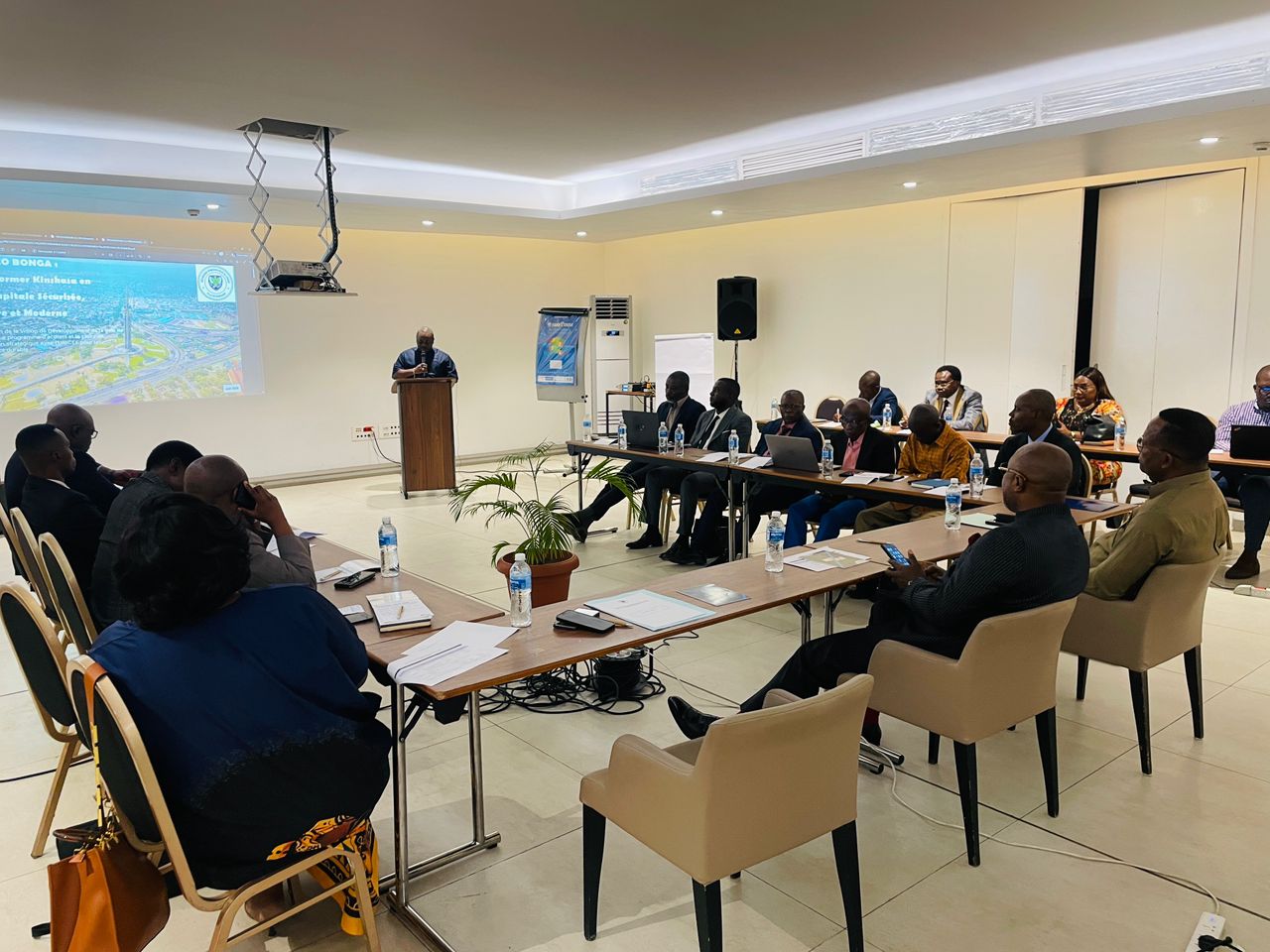
Kinshasa High Court: CD Territorial Planning Reform Advances
Summary
- A two-day roundtable discussion on territorial planning reform concluded in Kinshasa last week.
- The meeting aimed to improve policy coordination, strengthen spatial planning instruments, and promote sustainable socio-economic development in provinces and decentralized territories.
- The DRC government seeks to rely on an integrated vision for organizing its space, with a focus on identifying economic potentialities and vocations in each territory.
- The roundtable participants emphasized the need for improved governance and coordination among different sectors to address pressing issues such as rapid population growth and inadequate infrastructure.
Kinshasa Hosts Territorial Planning Reform Talks
A two-day roundtable discussion on territorial planning reform in the Democratic Republic of Congo (DRC) concluded in Kinshasa last week. The meeting, which began on August 4, brought together government officials and experts from various sectors to discuss ways to implement a coherent national spatial planning framework that supports harmonious development. According to the Ministry of Land Use Planning, the roundtable aimed to improve policy coordination, strengthen spatial planning instruments, and promote sustainable socio-economic development in provinces and decentralized territories.
The DRC government seeks to rely on an integrated vision for organizing its space, with a focus on identifying economic potentialities and vocations in each territory. The Ministry of Land Use Planning aims to make spatial planning the guiding principle for all state actions, allowing for more targeted investments and transformation of territories into complementary development hubs.
The meeting's participants emphasized the need for improved governance and coordination among different sectors to address pressing issues such as rapid population growth, accelerated urbanization, and inadequate infrastructure in cities like Kinshasa.
Relevant Legal/Regulatory Context
The Congolese government's approach to territorial governance has significant implications for investment decisions and urban planning strategies. Lawyers and compliance officers should be aware of potential changes to the government's spatial planning law, which may impact development projects in cities like Kinshasa. The roundtable discussion highlighted the need for a more integrated and coordinated approach to territorial planning, which could lead to revisions in existing laws and regulations.
The DRC's first-ever legislation on land-use planning was passed by the National Assembly in October 2023 to address issues such as inadequate infrastructure, rapid population growth, and accelerated urbanization. The government aims to create a network of interconnected economic territories that support the country's emergence.
The roundtable participants emphasized the importance of restoring state authority and decolonizing national space management, which would enable more effective policy coordination and implementation.
Why It Matters
The outcome of the territorial planning reform talks in Kinshasa has significant implications for the DRC's development trajectory. A more coherent and integrated approach to spatial planning could lead to improved investment decisions, enhanced urban planning strategies, and increased economic growth.
However, the process also poses challenges, including the need for revised laws and regulations, improved governance, and coordination among different sectors. The Congolese government must balance competing interests and priorities while ensuring that territorial planning reforms align with national development goals.
The success of the reform efforts will depend on effective implementation, stakeholder engagement, and ongoing monitoring to ensure that the new approach yields desired outcomes.
Practical Implications
Lawyers and compliance officers should watch for potential changes to the Congolese government's approach to territorial governance, which may impact investment decisions and urban planning strategies in cities like Kinshasa.
Source
How does this affect your business?
Get an AI analysis of this article grounded in your jurisdictions, practice areas, and any policy documents you've uploaded to Wansom.
Wansom is AI and can make mistakes.