
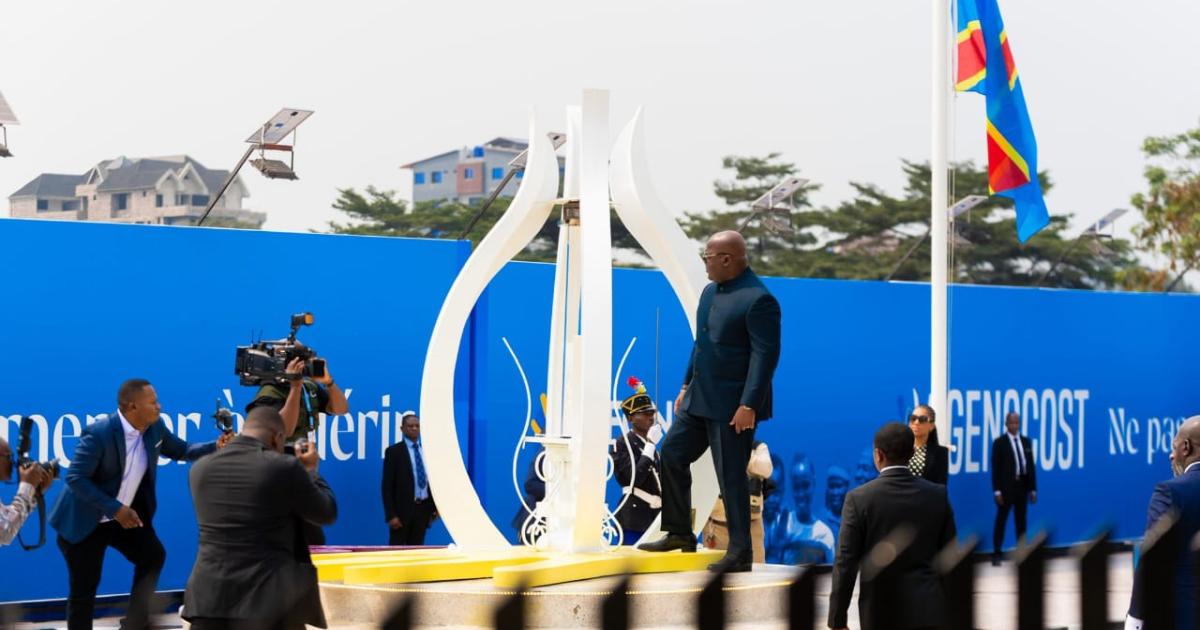
CAYP, LIDDFC Joint Statement: Congolese Genocide Victims Await Justice Mechanism
Summary
- A joint memorandum by the CAYP and LIDDFC highlights the need for a specific judicial mechanism for Congolese genocide victims, though a National Reparations Fund has been established.
- The international community's response to the genocide in the Congo has been characterized as timid, with many countries failing to take concrete steps towards recognizing the atrocity.
- The Genocost memorandum outlines the development of a potential judicial mechanism and highlights the importance of monitoring this process for lawyers and compliance officers.
What Happened
Despite these calls, a specific judicial mechanism for the victims has yet to fully materialize, though a National Reparations Fund has been established.
A joint memorandum by the CAYP and LIDDFC has shed light on the numerous voices that have demanded justice for Congolese victims over the past fifteen years. Despite these calls, a specific judicial mechanism for the victims to prosecute perpetrators of genocide has yet to fully materialize, though a National Reparations Fund has been established. The memorandum highlights the tension between international recognition of the genocide and the long-awaited establishment of a comprehensive judicial mechanism.
The Genocost memorandum outlines the development of a potential judicial mechanism for Congolese genocide victims, which has been met with a mix of cautious optimism and skepticism from various stakeholders.
Legal Context
The LIDDFC and CAYP have been at the forefront of advocating for justice for Congolese victims. The joint statement by these organizations has brought attention to the lack of a specific judicial mechanism for the victims to prosecute perpetrators, despite numerous calls for accountability. The international community's response to the genocide in the Congo has been characterized as timid, with many countries failing to take concrete steps towards recognizing the atrocity.
The Genocost memorandum is part of a broader effort to raise awareness about the need for a judicial mechanism and to push for international recognition of the genocide. The document outlines the key milestones in the development of this potential mechanism, including the establishment of a victims' justice mechanism, such as the National Reparations Fund.
Why It Matters
The Genocost memorandum has significant implications for lawyers and compliance officers who advise clients on international human rights law. As the document outlines the development of a potential judicial mechanism and the establishment of related victim support structures, it highlights the importance of monitoring this process and being prepared to advise clients on related compliance exposures or filing deadlines.
The recognition of the genocide in the Congo is also crucial for the victims and their families, who have been waiting for justice for over two decades. The establishment of a comprehensive judicial mechanism for prosecution, alongside existing reparations efforts, would be a significant step towards accountability and could set a precedent for other countries facing similar atrocities.
Practical Implications
Lawyers and compliance officers should monitor the development of a potential judicial mechanism for Congolese genocide victims, as outlined in the Genocost memorandum, and be prepared to advise clients on any related compliance exposures or filing deadlines.
Source
How does this affect your business?
Get an AI analysis of this article grounded in your jurisdictions, practice areas, and any policy documents you've uploaded to Wansom.
Wansom is AI and can make mistakes.