
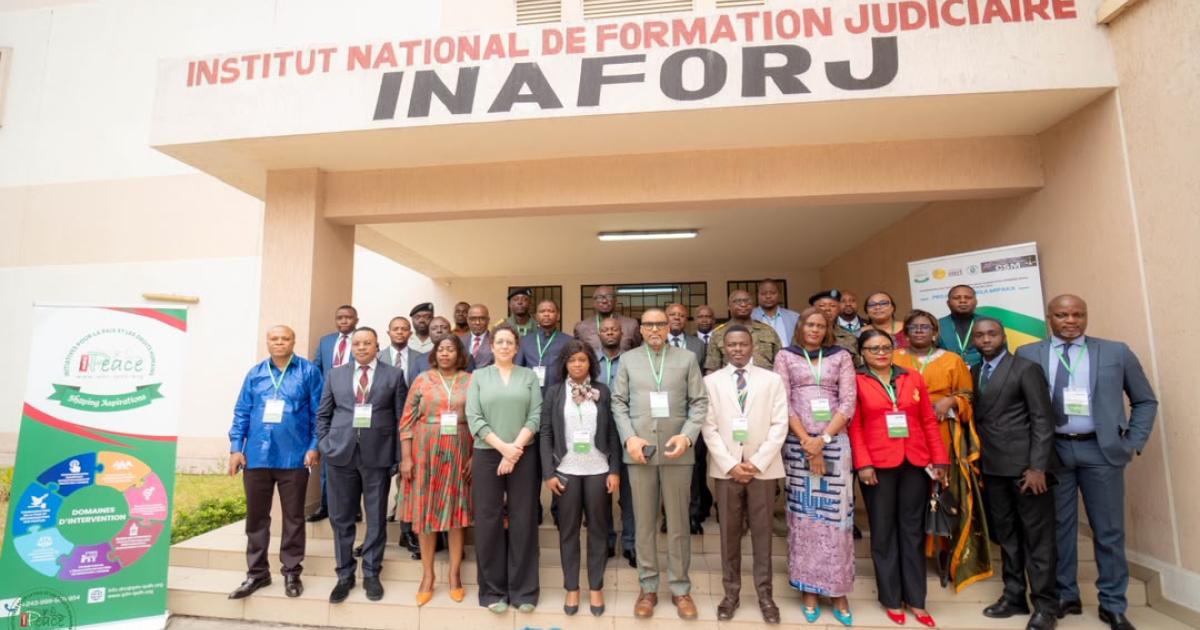
CD National Judges Training Aims to Combat Transnational Crime
Summary
- A national judges' training program was held in Kinshasa to combat transnational crime.
- The training aimed to equip magistrates with skills and knowledge to effectively investigate and prosecute transnational crimes.
- The program is part of the Democratic Republic of Congo's efforts to strengthen its laws and regulations related to anti-transnational crime.
What Happened
The national judges' training program is part of these efforts to enhance the country's capacity to combat transnational crime.
A national judges' training program was held in Kinshasa, the capital of the Democratic Republic of Congo (CD), to enhance the fight against transnational crime. The event brought together magistrates from across the country for a comprehensive training session on anti-transnational crime laws and regulations. According to reports, the training aimed to equip judges with the necessary skills and knowledge to effectively combat crimes that cross national borders.
The program was organized by the relevant authorities in Kinshasa, in collaboration with international partners who specialize in transnational crime prevention. The training covered a range of topics, including emerging trends in transnational crime, best practices for investigation and prosecution, and strategies for cooperation between law enforcement agencies across different countries.
Legal Context
The Democratic Republic of Congo has been actively working to strengthen its laws and regulations related to anti-transnational crime. In recent years, the country has seen a significant increase in transnational crimes such as human trafficking, money laundering, and drug smuggling. To address this issue, the government has been implementing various measures, including the establishment of specialized courts and the training of law enforcement officials.
The national judges' training program is part of these efforts to enhance the country's capacity to combat transnational crime. The training is expected to have a positive impact on the effectiveness of the justice system in CD, particularly in terms of investigating and prosecuting transnational crimes. By equipping judges with the necessary skills and knowledge, the government aims to improve the overall efficiency of the justice system and ensure that those responsible for transnational crimes are held accountable.
Why It Matters
The national judges' training program in Kinshasa has significant implications for lawyers and compliance officers working in the Democratic Republic of Congo. The training may signal new enforcement priorities or emerging best practices in anti-transnational crime laws and regulations, which could impact business operations and risk management strategies.
As a result, it is essential for companies operating in CD to stay informed about any updates to anti-transnational crime laws and regulations following this national judges' training. This includes monitoring changes to enforcement priorities, new investigative techniques, and emerging trends in transnational crime. By staying up-to-date on these developments, businesses can better navigate the complex landscape of anti-transnational crime laws and regulations in CD.
Practical Implications
Lawyers and compliance officers in the Democratic Republic of Congo (CD) should watch for potential updates to anti-transnational crime laws and regulations following this national judges' training, which may signal new enforcement priorities or emerging best practices.
Source
How does this affect you?
Get an AI analysis of this article grounded in your jurisdictions, practice areas, and any policy documents you've uploaded to Wansom.
Wansom is AI and can make mistakes.