
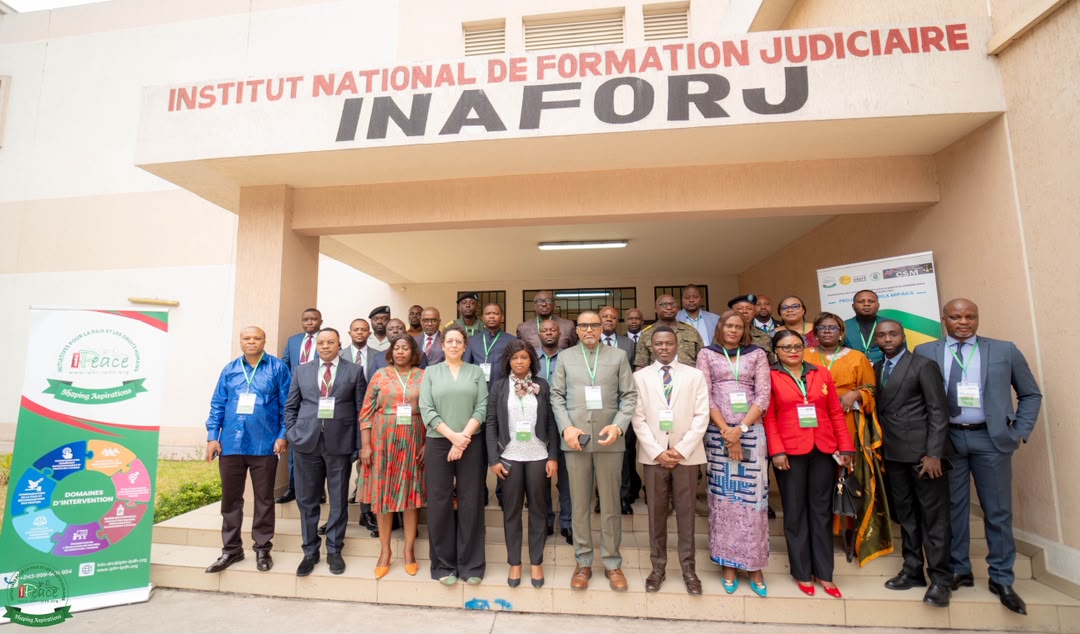
CD Magistrates Trained on Cross-Border Crime, Uhaki Bila Mipaka Project
Summary
- A five-day training session on cross-border crime began in Kinshasa on August 10.
- The training aims to equip civil and military magistrates with knowledge on various forms of organized crime.
- The 'Uhaki Bila Mipaka' project seeks to improve access to justice and promote peace and stability in the Great Lakes region.
- Magistrates trained on these issues will be able to transmit their knowledge to colleagues, contributing to improved judicial practice.
What Happened
Les magistrats devront être capables de transmettre ces connaissances à leurs collègues en qualité de formateurs et de contribuer ainsi à l'amélioration de la pratique judiciaire.
A five-day national training session for trainers on cross-border crime and related judicial procedures began in Kinshasa on August 10. The session aims to equip civil and military magistrates with knowledge on various forms of organized crime, including money laundering, arms and mineral trafficking, terrorism, human trafficking, and financing armed groups. The training is being conducted by the Council of Magistracy (CSM) in partnership with the International Initiative for Peace and Human Rights (iPeace).
Legal Context
The training is part of the 'Uhaki Bila Mipaka' project, which translates to 'Justice without Borders.' The project aims to improve access to justice and promote peace and stability in the Great Lakes region. Launched in 2022 by International Alert, iPeace, and Pole Institute with financial support from the Kingdom of the Netherlands, the project seeks to enhance judicial cooperation and improve the quality of prosecutions related to cross-border crime.
Why It Matters
The training highlights the importance of judicial cooperation in addressing cross-border crime. Magistrates trained on these issues will be able to transmit their knowledge to colleagues, contributing to improved judicial practice, particularly in handling cases related to transnational organized crime. This development has significant implications for case handling and prosecution strategies, making it essential for lawyers to pay attention to its potential impact.
Practical Implications
This development highlights the importance of judicial cooperation in addressing cross-border crime, and lawyers should watch for potential implications on case handling and prosecution strategies.
Source
How does this affect you?
Get an AI analysis of this article grounded in your jurisdictions, practice areas, and any policy documents you've uploaded to Wansom.
Wansom is AI and can make mistakes.