
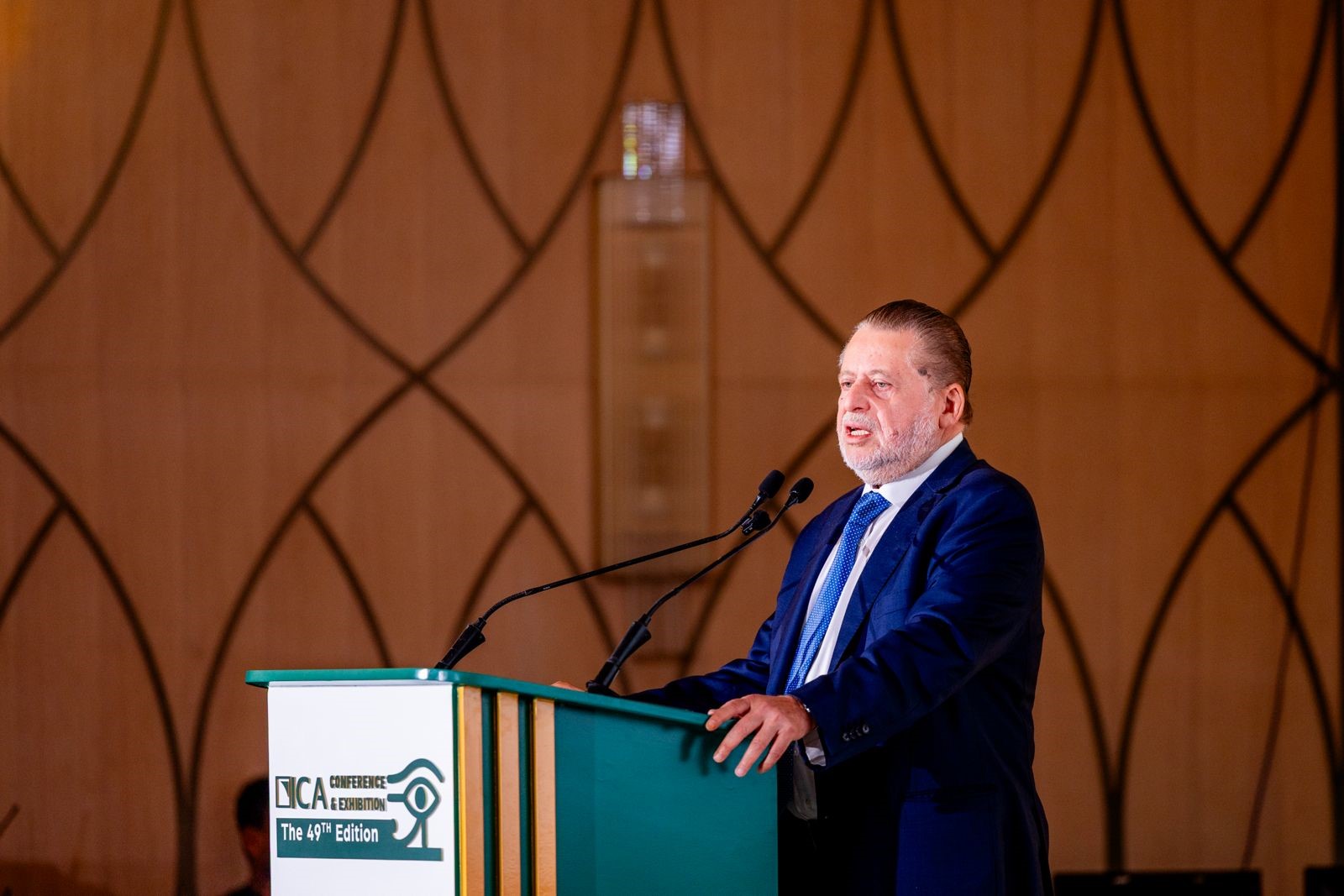
CBE: Financial Stability Commitment for Egypt's Banking Sector
Summary
- Hassan Abdalla, Governor of the Central Bank of Egypt, affirmed the CBE's dedication to financial stability.
- The CBE is committed to enhancing the resilience of the Egyptian banking sector through transparent practices.
- A key component of the CBE's strategy is a monetary policy framework focused on reducing inflation.
- This commitment is also linked to maintaining a flexible, market-determined approach in financial operations.
CBE's Core Commitments
Hassan Abdalla, serving as the current Governor of the Central Bank of Egypt (CBE), recently articulated the institution's unwavering dedication to upholding financial stability within the nation.
Hassan Abdalla, serving as the current Governor of the Central Bank of Egypt (CBE), recently articulated the institution's unwavering dedication to upholding financial stability within the nation. This commitment extends specifically to bolstering the resilience of the Egyptian banking sector, a critical component of the country's economic infrastructure. The Governor's remarks underscore a strategic approach that prioritizes transparency in its operations and policy decisions.
Central to this strategy is a robust monetary policy framework. This framework is meticulously designed with a primary objective: to effectively reduce inflation. The CBE's leadership, through Governor Abdalla's statement, emphasizes that these efforts are not isolated but are intrinsically linked to fostering a stable and predictable financial environment for Egypt. The transparent methodology adopted by the CBE aims to provide clarity and confidence to market participants and the public alike.
Monetary Policy and Inflation Control
The Central Bank of Egypt's monetary policy is explicitly geared towards combating inflationary pressures, a key factor in maintaining overall economic health. This focus on bringing inflation down is presented as a cornerstone of the CBE's broader strategy for financial stability. By managing monetary aggregates and interest rates, the CBE seeks to create an economic climate where price stability is achieved, thereby protecting the purchasing power of the Egyptian pound and fostering sustainable growth.
Governor Hassan Abdalla's statement highlights that the commitment to a stable financial system is deeply intertwined with the pursuit of effective inflation control. This dual focus ensures that the measures taken to stabilize prices also contribute to the long-term strength and reliability of the financial sector. The Egyptian central bank governor's emphasis on this integrated approach signals a comprehensive strategy to address macroeconomic challenges.
Strengthening Banking Sector Resilience
A significant aspect of the CBE financial stability commitment Egypt is the continuous effort to strengthen the resilience of the nation's banking sector. A robust and stable banking system is fundamental to economic growth, facilitating investment, trade, and daily financial transactions. The CBE's initiatives in this area are designed to ensure that banks can withstand economic shocks and continue to perform their essential functions without disruption.
This dedication to banking sector resilience is pursued through the aforementioned transparent approach and the disciplined application of monetary policy. Furthermore, Governor Abdalla indicated that this commitment is consistently paired with the maintenance of a flexible, market-determined approach in relevant financial mechanisms. This ensures that the banking sector operates within a dynamic and responsive economic framework, capable of adapting to evolving market conditions.
Why These Statements Matter
The recent Hassan Abdalla CBE statement provides crucial insights into the strategic direction of Egypt's financial governance. For businesses, investors, and financial institutions operating within or considering the Egyptian market, these pronouncements from the Egyptian central bank governor offer a clear indication of the regulatory priorities and economic outlook. The emphasis on financial stability and banking sector resilience directly impacts the operational landscape, influencing everything from lending conditions to risk assessments.
Understanding the CBE monetary policy inflation targets and the broader commitment to a transparent and flexible financial system is essential for strategic planning. These statements signal the central bank's proactive stance in managing economic variables, which can affect interest rates, currency valuations, and overall market liquidity. Consequently, stakeholders must closely monitor the CBE's actions and communications to navigate the evolving financial environment effectively.
Practical Implications
Lawyers and compliance officers should monitor the Central Bank of Egypt's (CBE) ongoing statements and policy actions regarding financial stability and inflation, as these directly influence the regulatory landscape, lending environment, and operational risks for financial institutions and businesses in Egypt.
Source
How does this affect you?
Get an AI analysis of this article grounded in your jurisdictions, practice areas, and any policy documents you've uploaded to Wansom.
Wansom is AI and can make mistakes.