
Cameroun Senate: Projet Loi Règlement Budget 2025 Reveals 535.2 Billion Deficit
Summary
- Cameroon's Senate received the draft budget settlement law for the 2025 fiscal year from the Presidency.
- The 2025 budget execution revealed a deficit of 535.2 billion FCFA, representing 1.6% of GDP.
- The physical execution rate for the public investment budget reached 72.73% in 2025, an increase from 69.4% in 2024.
- General budget revenues achieved a 96.7% realization rate, while expenditures exceeded forecasts at 101.4%.
- The Chamber of Accounts recommended improving budgetary information reliability, controlling debt, and reducing arrears.
Legislative Review of Cameroon's 2025 Budget Execution
The "projet loi règlement budget 2025" provides a detailed account of the state's financial activities for the period, revealing significant insights into its fiscal health and operational efficiency.
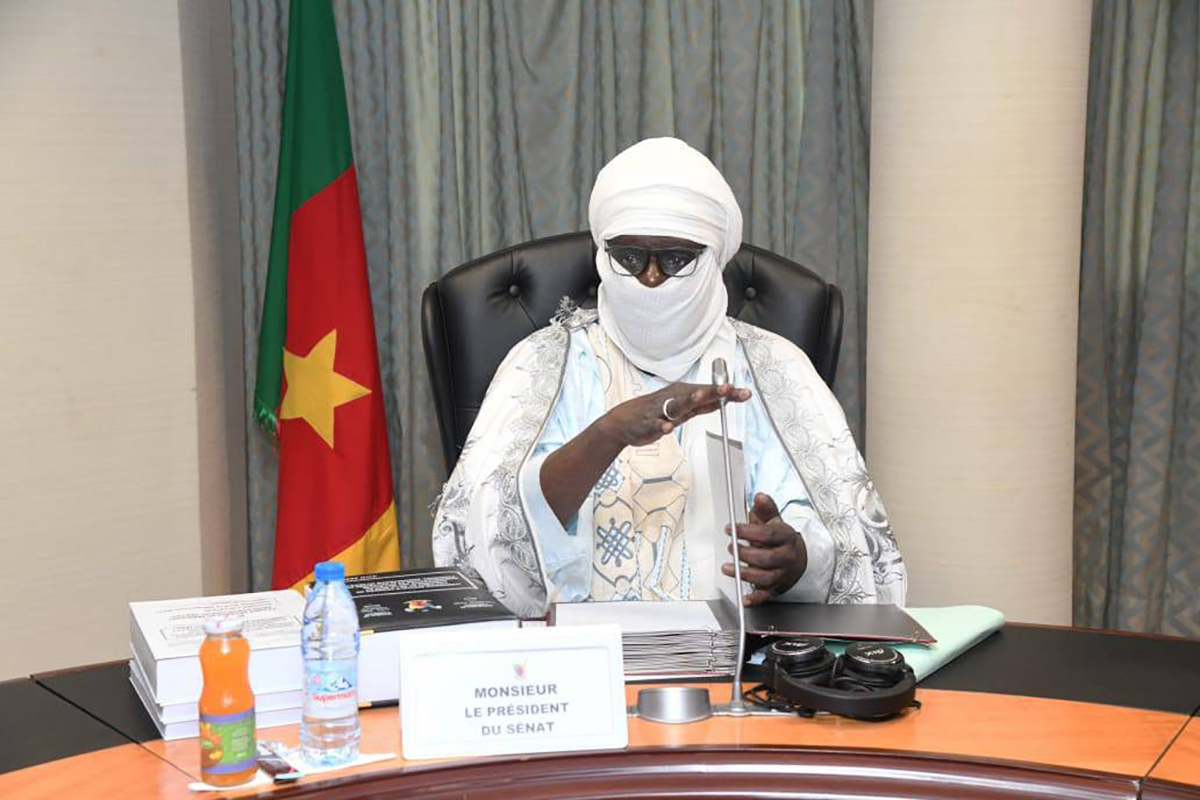
The Cameroonian Senate has officially received the draft budget settlement law for the 2025 fiscal year, a crucial document transmitted by the Presidency of the Republic. This legislative proposal, identified as number 264/PJL/SEN/3L, was formally accepted during a plenary session presided over by Senate President Aboubakary Abdoulaye. The "projet loi règlement budget 2025" provides a detailed account of the state's financial activities for the period, revealing significant insights into its fiscal health and operational efficiency.
The document highlights a substantial budget deficit of 535.2 billion FCFA, alongside a reported physical execution rate of 72.73% for the public investment budget. These figures are central to understanding the government's financial management and its capacity to implement planned development projects. The Senate's review of this "loi de règlement Sénat Cameroun" is a critical step in the nation's budgetary cycle, ensuring accountability and transparency in public finance.
Unpacking the 2025 Fiscal Performance
An in-depth analysis of the draft law reveals that the state budget for 2025 was initially set at a balanced 7,735.9 billion FCFA. However, the actual execution diverged from these projections. General budget revenues reached 5,174.8 billion FCFA, indicating a strong realization rate of 96.7%. Conversely, expenditures climbed to 5,729.7 billion FCFA, surpassing initial forecasts with an execution rate of 101.4%. This disparity between revenue collection and spending led directly to the reported "déficit budget Cameroun 2025" of 535.2 billion FCFA.
This deficit represents 1.6% of the nation's Gross Domestic Product, underscoring the financial challenges faced during the fiscal year. Furthermore, the total financing need for the period was estimated at a considerable 1,925.2 billion FCFA. These figures provide a comprehensive picture of the "exécution budget Cameroun 2025", illustrating the pressures on public finances and the necessity for prudent fiscal management.
Investment and Decentralization Progress
Beyond the overall fiscal balance, the draft law sheds light on specific areas of public spending, particularly the "budget d'investissement public Cameroun". The physical execution rate for this vital component of the budget saw an increase, reaching 72.73% for 2025. This marks an improvement compared to the 69.4% recorded in the previous year, 2024, suggesting enhanced progress in capital project implementation.
Additionally, the report indicates a positive trend in financial transfers to local governance structures. Resources allocated to decentralized territorial collectivities experienced a 10% increase, totaling 157.8 billion FCFA. This boost aims to empower local authorities and support regional development initiatives, reflecting a commitment to decentralization within the national financial framework.
Recommendations and Legislative Scrutiny
The "Chambre des comptes recommandations Cameroun" are a significant aspect of the budget settlement process. The Chamber has put forth several key recommendations, emphasizing the need for improved reliability of budgetary information, stricter control over national indebtedness, and a concerted effort to reduce outstanding arrears. These recommendations are crucial for strengthening fiscal governance and ensuring long-term financial stability.
The draft law has now been assigned to the Senate's Commission des finances et du budget for thorough examination. Following this committee review, the Minister of Finance is slated to present and defend the "projet loi règlement budget 2025" before the full body of senators. This legislative scrutiny is essential for the final adoption of the law, which will formalize the financial outcomes of the 2025 fiscal year and set precedents for future budgetary practices.
Practical Implications
Lawyers and compliance officers should monitor the final adoption of Cameroon's 2025 budget settlement law and the Chamber of Accounts' recommendations, as these indicate potential shifts in fiscal policy, public spending priorities, and financial oversight, which could impact public contracts, investment projects, and regulatory compliance requirements for businesses operating in Cameroon.
Source
How does this affect you?
Get an AI analysis of this article grounded in your jurisdictions, practice areas, and any policy documents you've uploaded to Wansom.
Finish Reading the Full Story and the Expert Analysis.
Get the latest legal & regulatory intelligence in Cameroon
Wansom is AI and can make mistakes.