
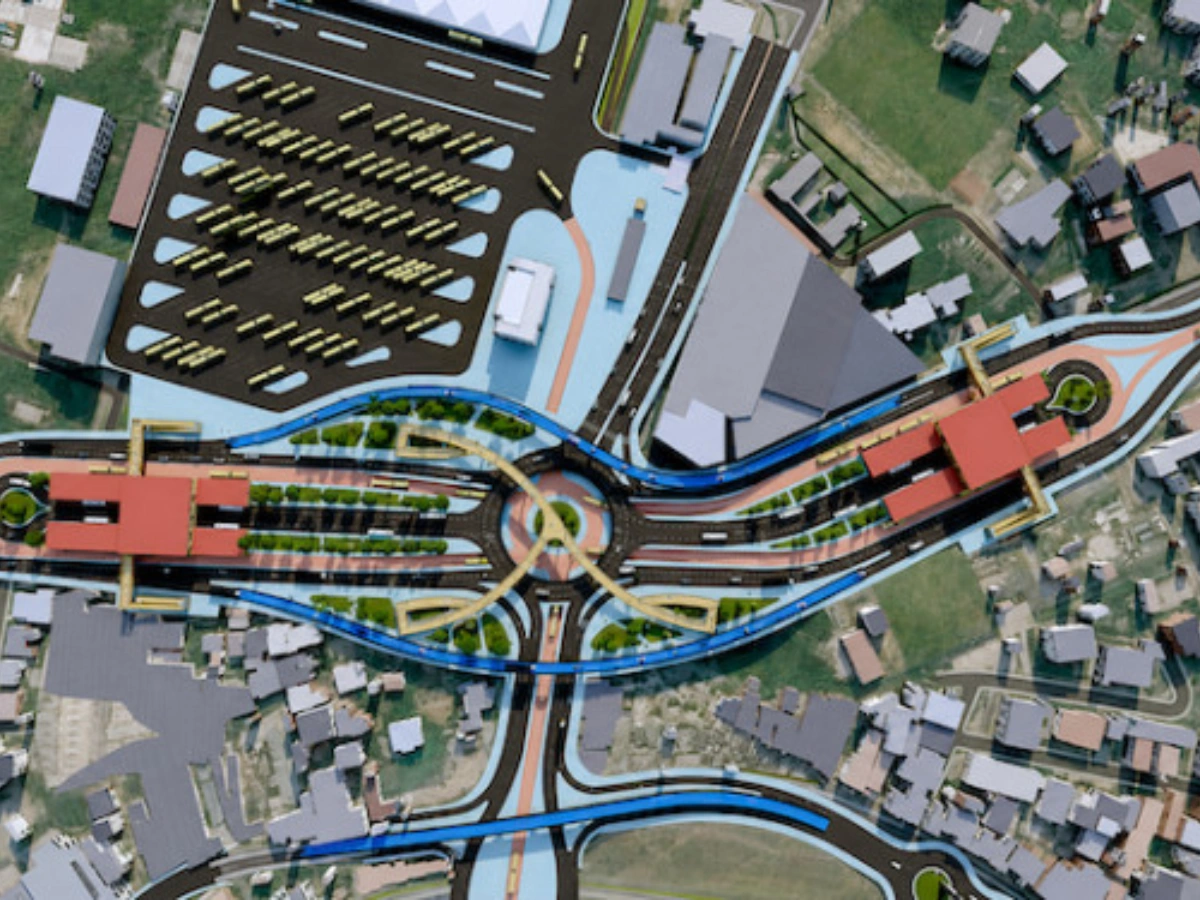
Douala Mayor: Register for Douala Urban Mobility Project Compensation
Summary
- Douala Mayor Roger Mbassa Ndine has urged residents whose properties are affected by the Douala Urban Mobility Project but were not initially surveyed to register them.
- This registration is crucial to ensure their properties are included in the compensation process for the urban development initiative.
- Residents must provide a photocopy of their national identity card and proof of property ownership at designated PMUD offices or the Project Coordination Unit.
- Identification teams from the RIDEV association will offer free assistance in collecting these required documents along project routes.
- The project impacts numerous areas, including Boulevard de la Liberté, and timely registration is essential to avoid exclusion from compensation.
Urgent Call for Property Registration
Failure to register properties and provide the requisite documentation could lead to significant challenges in claiming the Douala Urban Mobility Project compensation, emphasizing the critical need for residents to act swiftly and decisively to protect their interests.
The Mayor of Douala, Roger Mbassa Ndine, has issued a critical appeal to residents whose properties are situated within the footprint of the Douala Urban Mobility Project (PMUD) but were not recorded during initial surveys. This directive, communicated via a radio-press release on November 15, 2026, urges these property owners to promptly engage with the designated authorities. The primary objective of this outreach is to ensure that all affected assets are properly documented and subsequently included in the forthcoming compensation process.
This urgent call comes as property identification efforts continue across various neighborhoods in Cameroon's economic capital. Despite ongoing field operations, which commenced on August 10, 2026, Mayor Mbassa Ndine noted that a significant number of property owners impacted by the extensive urban development initiative remain unlisted. The city's administration is proactively seeking to rectify these omissions to prevent any resident from being unfairly excluded from the Douala Urban Mobility Project compensation scheme.
Navigating the Compensation Process
For those residents whose properties were overlooked during the initial assessment phases of the Douala Urban Mobility Project, specific steps have been outlined to facilitate their inclusion in the PMUD Douala indemnisation efforts. Affected individuals are instructed to visit dedicated PMUD information offices located at Ndokoti and the Saint-Michel crossroads. Alternatively, they can report to the Project Coordination Unit, situated at the Carré d'Or building, specifically at 952 Paul Soppo Priso Avenue in Bonapriso.
When presenting themselves, property owners must furnish a photocopy of their national identity card alongside any official documentation that substantiates their ownership of the affected property. This requirement underscores the importance of robust Douala residents property registration for securing rightful claims. Furthermore, to assist residents in this crucial process, identification teams from the RIDEV association are scheduled to be deployed along the various project routes, offering free assistance in collecting the necessary documents.
Broad Impact of Urban Development
The Douala Urban Mobility Project encompasses a wide array of key urban arteries and districts, signifying a major undertaking in Cameroon urban development compensation. Areas specifically targeted for infrastructure improvements include the Boulevard de la Liberté, Boulevard de la République, the Deido-ISTAMA stretch, the Bépanda road, the Ndokoti-Ndogbong-Missoke corridor, and the Petit Pays-Carrefour Bassong area. Additionally, several other sections within Logbaba, Yassa, and Nyalla are also subject to these development plans, potentially leading to Boulevard de la Liberté expropriation and similar actions across these zones.
The Mayor's proactive communication highlights the administration's commitment to a fair and transparent compensation process, particularly for those whose properties are directly impacted by the project's expansion. Failure to register properties and provide the requisite documentation could lead to significant challenges in claiming the Douala Urban Mobility Project compensation, emphasizing the critical need for residents to act swiftly and decisively to protect their interests.
Practical Implications
Lawyers representing property owners impacted by the Douala Urban Mobility Project should immediately advise clients to register their properties and gather all necessary ownership documentation to ensure they are included in the compensation process, especially if they were not identified in initial surveys. Failure to register by the implicit deadline could result in forfeiture of compensation claims.
Source
How does this affect you?
Get an AI analysis of this article grounded in your jurisdictions, practice areas, and any policy documents you've uploaded to Wansom.
Finish Reading the Full Story and the Expert Analysis.
Get the latest legal & regulatory intelligence in Cameroon
Wansom is AI and can make mistakes.