
Cameroun: Gestion Déchets Urbains Bilan Positif Malgré Décharges Illégales
Summary
- Cameroon's Ministry of Housing and Urban Development claims significant progress in urban waste management one year after national States General.
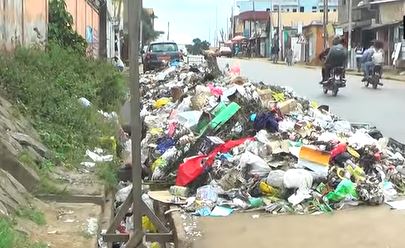
- Despite official optimism, cities, including the capital, Yaoundé, continue to suffer from widespread illegal dumps and unsightly conditions.
- The Ministry reported accelerating its roadmap implementation, providing assistance to communes, and reinforcing operational chains.
- Eleven waste collection points have been constructed in Yaoundé since 2025 to combat illegal dumping.
- Residents express discomfort with the persistent waste problem, indicating a disconnect between official reports and on-the-ground reality.
Conflicting Narratives on Urban Waste Management
The state of urban waste management in Cameroon presents a stark contrast between official pronouncements and the daily reality experienced by city dwellers.
The state of urban waste management in Cameroon presents a stark contrast between official pronouncements and the daily reality experienced by city dwellers. One year following the national States General on waste management, the Ministry of Housing and Urban Development in Cameroon has issued an assessment of its implementation roadmap, expressing satisfaction with the progress achieved and offering assurances regarding the future of the nation's cities. This positive outlook, however, stands in direct opposition to the visible evidence on the ground, where numerous illegal dumps continue to obstruct streets, particularly within the capital city.
The overall Cameroun gestion déchets urbains bilan reveals a significant disconnect, as urban centers across the country remain marred by unsightly conditions exacerbated by the proliferation and sheer scale of unauthorized waste deposits. Residents frequently voice their profound discomfort and dissatisfaction with the persistent challenges in maintaining urban cleanliness, highlighting the ongoing struggle despite governmental claims of advancement.
Government Initiatives and Persistent Challenges
According to a ministerial publication dated August 24, the Ministry of Housing and Urban Development in Cameroon has reported an accelerated pace in executing its strategic roadmap for urban waste management. The government's efforts encompass various initiatives aimed at improving the overall system. Key among these actions is the provision of direct assistance to district communes, supporting their daily waste collection operations and strengthening the entire operational chain responsible for waste handling.
A specific example cited by the Ministère Habitat Développement Urbain Cameroun involves the construction of eleven dedicated waste collection points in Yaoundé, initiated since 2025. These facilities are intended to systematically eliminate the widespread illegal dumps found along major thoroughfares and within residential neighborhoods, contributing to better assainissement urbain Cameroun. Despite these reported interventions and the stated commitment to enhancing infrastructure, the issue of uncontrolled waste accumulation continues to plague urban landscapes, indicating that the implemented measures have yet to fully address the pervasive problem.
Broader Implications for Urban Development
The persistent challenges in urban waste management, despite official efforts and the strategic discussions held during the états généraux gestion déchets Cameroun, underscore a critical concern for the nation's urban development trajectory. The continued presence of extensive illegal dumps and the general unsightliness of cities not only detract from urban aesthetics but also pose significant public health risks and environmental degradation.
The discrepancy between the Ministry's optimistic assessment and the tangible reality on the streets suggests that while a roadmap is in place and actions are being taken, their effectiveness in achieving a noticeable and sustainable improvement remains limited. This situation could lead to increased public scrutiny of environmental policies and urban planning initiatives. For stakeholders involved in urban development projects or legal advisory roles concerning environmental compliance in Cameroon, these ongoing issues signal potential for stricter enforcement of existing regulations or even future litigation related to inadequate waste disposal practices, particularly in densely populated areas like Yaoundé. The overall state of assainissement urbain Cameroun remains a pressing issue that demands more impactful and visible solutions.
Practical Implications
Lawyers advising businesses or involved in urban development projects in Cameroon should note the ongoing challenges in urban waste management, despite official claims of progress. This discrepancy could signal increased scrutiny, potential for stricter enforcement of environmental regulations, or public health litigation risks related to inadequate waste disposal, particularly in cities like Yaoundé.
Source
How does this affect you?
Get an AI analysis of this article grounded in your jurisdictions, practice areas, and any policy documents you've uploaded to Wansom.
Wansom is AI and can make mistakes.