
Cameroon: S6 License Issuance Suspension Announced by Ministry
Summary
- Cameroon's Ministry of Transport suspended the issuance of the S6 license for own-account road freight transport on August 23, 2026.
- The suspension followed a high-level meeting convened to avert a nationwide strike threatened by road transport organizations.
- The S6 license issuance is halted pending a re-reading of Decree No. 2022/8801/PM by an interministerial committee established within the Prime Minister's services.
- Other resolutions included restricting transit goods controls to specific corridors, prohibiting flat-rate fine collection by transport ministry teams, and addressing transporter harassment.
- The government committed to establishing consultation frameworks and reviewing other regulatory concerns, such as the transformation of the CNCC and tanker truck weighing practices.
Key Regulatory Halt to Avert Strike
The issuance of the S6 license, a key document for own-account road freight operations, has been halted indefinitely pending a comprehensive review by an interministerial committee.
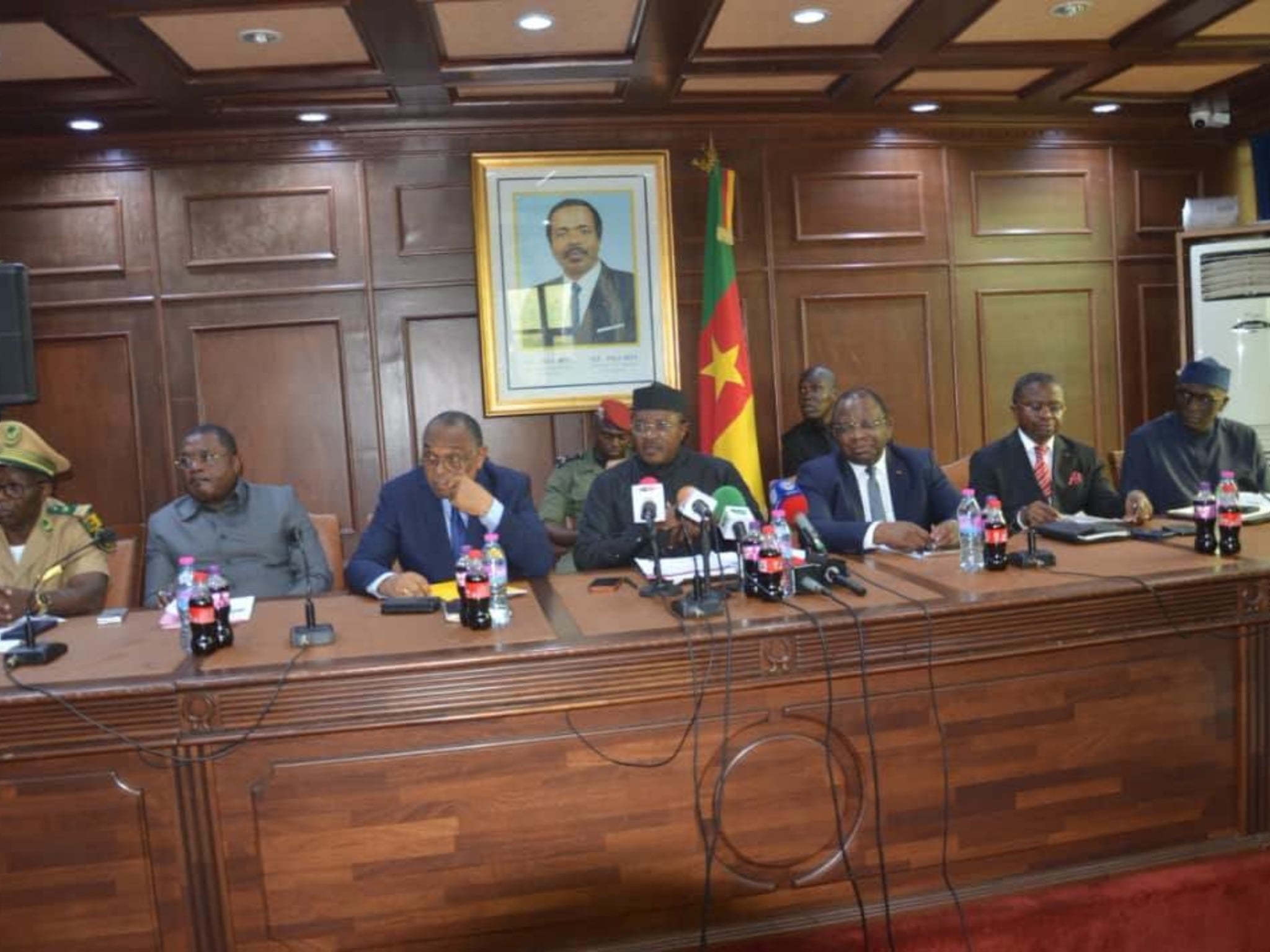
Cameroon's Ministry of Transport, under the leadership of Minister Jean-Ernest Masséna NGALLE BIBEHE, announced a significant regulatory change on Sunday, August 23, 2026, by suspending the issuance of the S6 license. This critical decision, made during a consultation meeting held at the Ministry's conference room, directly addresses a primary concern raised by the nation's road transport socioprofessional organizations, who had issued a strike notice effective the following day, August 24, 2026.
The suspension of the S6 license, which governs own-account road freight transport, is not permanent but rather a temporary measure. It will remain in effect until an interministerial committee, to be established within the Prime Minister's services, completes a thorough re-reading and review of Decree No. 2022/8801/PM, dated October 10, 2022. This move underscores the government's commitment to dialogue and addressing industry grievances to maintain stability in the vital road transport sector.
The high-level meeting, convened under the direct instructions of the Prime Minister, brought together a broad spectrum of government officials and stakeholders. Attendees included the Minister of Labor and Social Security, the Minister of Commerce, and various delegated ministers from transport and public works, alongside representatives from numerous administrative bodies such as MINFI, MINDEF, DGSN, and CNCC, as well as key union organizations. This wide participation highlighted the urgency and multi-faceted nature of the issues at hand, aiming to prevent widespread disruption to freight movement across the country.
Addressing Industry Grievances
The impending strike, formally announced in a notice sent to the Prime Minister on August 5, 2026, stemmed from a comprehensive list of concerns articulated by the transport organizations. Beyond the application of the S6 license decree, transporters voiced issues regarding Decree No. 2025/314 of July 16, 2025, which pertains to the transformation of the CNCC. Their grievances also extended to the rationalization of road controls, road safety measures, the overall condition of the road network, and the procedures for vehicle weighing.
Further points of contention included the relationships between transporters and specific port and administrative structures, highlighting systemic challenges within the logistics chain. The discussions at the August 23 meeting were specifically designed to examine these diverse concerns and formulate actionable measures to ensure the continuity of transport activities and foster a more harmonious environment within the sector. The government's willingness to engage directly with these issues signals a responsive approach to industry demands.
In response to the concerns surrounding Decree No. 2025/314, officials agreed that the industry's feedback on its applicability would be forwarded to the Prime Minister's services. This transmission will include a proposal for the creation of another interministerial committee specifically tasked with examining these points, mirroring the approach taken for the S6 license decree. This dual committee strategy emphasizes a structured, collaborative process for regulatory review.
Operational and Enforcement Adjustments
Several immediate operational adjustments were also agreed upon to alleviate the transporters' burden and streamline processes. Notably, road controls for goods in transit will now be strictly confined to four designated conventional checkpoints along the Douala-N'Djamena corridor and three conventional checkpoints on the Douala-Bangui corridor. This consolidation aims to reduce arbitrary stops and enhance efficiency for cross-border freight.
Furthermore, a significant policy change prohibits road safety teams from the Ministry of Transport from collecting flat-rate fines, addressing a long-standing complaint from transporters about potential irregularities. The meeting also mandated the re-launch of a decree concerning the extension of the national collective agreement for the road transport sector within the Prime Minister's services, with a tight 24-hour deadline. Additionally, a new consultation framework is to be established, facilitating direct dialogue between SCDP, PAD, PAK, and driver union organizations.
Other resolutions included an instruction from the Minister of Commerce to SCDP, requiring the application of Order No. 022/MINCOMMERCE of February 13, 2024, which details procedures for loading and unloading tanker trucks at oil depots, also within 24 hours. Administrative authorities and law enforcement were directed to address concerns regarding harassment faced by transporters in the North-West and South-West regions. Finally, measures were put in place to end the practice of weighing tanker trucks at designated weighing stations, further easing operational constraints for this specific segment of the transport industry.
Implications for Cameroon's Transport Sector
The comprehensive set of resolutions adopted during the August 23, 2026, meeting represents a critical effort by the Cameroonian government to de-escalate tensions and foster a more predictable and equitable operating environment for road freight transporters. By directly addressing the core demands of the socioprofessional organizations, particularly through the Cameroon S6 license issuance suspension and the establishment of interministerial review committees, the government has prioritized dialogue over confrontation.
This proactive engagement is vital for maintaining the flow of goods and services, which is essential for the national economy. The commitment to reviewing key decrees, rationalizing controls, and improving working conditions reflects a broader strategy to enhance the efficiency and fairness of the road transport sector. The outcomes of this meeting are expected to contribute significantly to preserving social harmony and ensuring the uninterrupted continuity of transport activities across Cameroon, thereby safeguarding economic stability.
Source
How does this affect you?
Get an AI analysis of this article grounded in your jurisdictions, practice areas, and any policy documents you've uploaded to Wansom.
Wansom is AI and can make mistakes.