
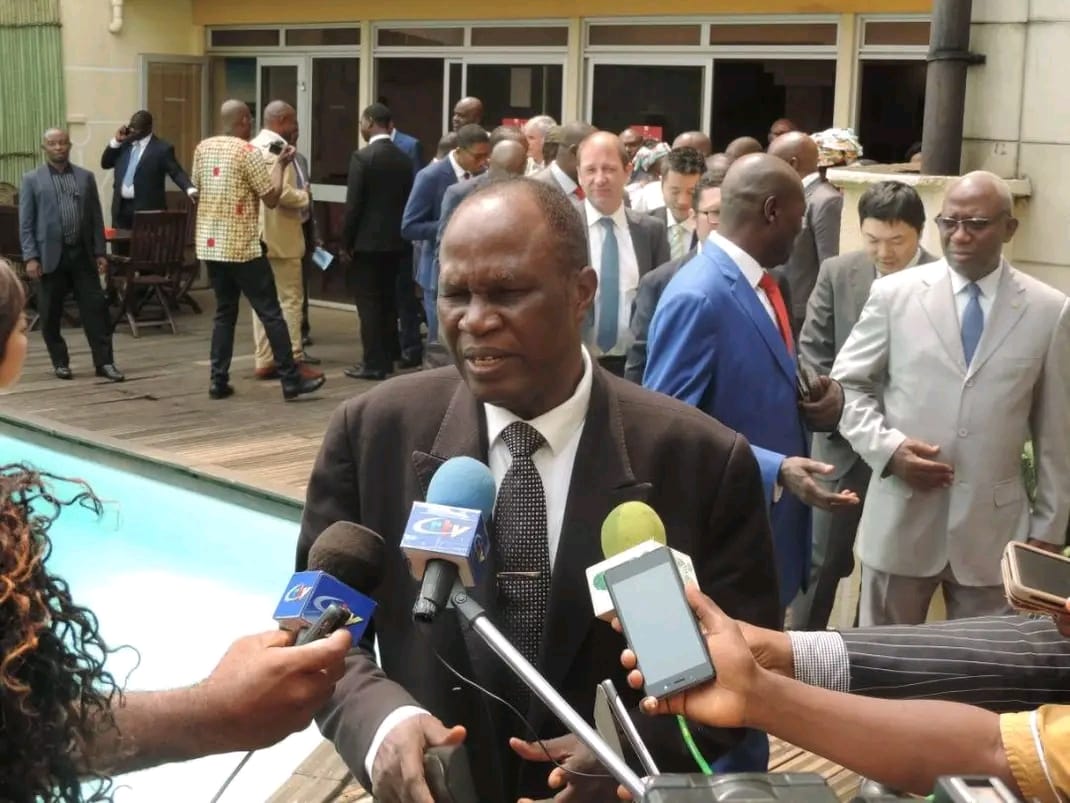
Cameroun: COP17 Sahel Vert Projet Seeks Funding at UNCCD
Summary
- Cameroun's delegation, led by Minister HELE Pierre, is participating in COP17 on desertification in Ulaanbaatar, Mongolia, since August 17, 2026.
- The delegation is advocating for Cameroun's "Sahel vert" project and seeking funding from the United Arab Emirates for its Kaélé component.
- Minister HELE Pierre presided over a ministerial segment on land degradation, drought, mobility, and security on August 24, 2026.
- Cameroun will address water retention, soil restoration, and erosion control during the Water Day discussions on August 25, 2026.
- COP17, the 17th Conference of the Parties to the UNCCD, focuses on "Restore Land, Restore Hope."
Cameroun's Engagement at COP17
Cameroun's robust engagement at COP17 in Mongolia, particularly its fervent plea for the "Sahel vert" project, highlights the nation's commitment to combating desertification and its consequences.
The Cameroonian delegation, led by Minister of Environment HELE Pierre, is actively participating in the 17th Conference of the Parties (COP17) to the United Nations Convention to Combat Desertification (UNCCD) in Ulaanbaatar, Mongolia. This significant international gathering, which commenced on August 17, 2026, focuses on the critical theme of "Restore Land, Restore Hope." Cameroun's presence underscores its commitment to addressing land degradation and advocating for its ambitious "Sahel vert" project.
Minister HELE Pierre's agenda has been particularly robust. Following the high-level segment's opening by Mongolian Prime Minister Nyam-Osoryn Uchral on August 24, 2026, the Cameroonian minister presided over a key ministerial session. This segment delved into the intricate connections between land degradation, drought, human mobility, and security, highlighting the multifaceted challenges posed by desertification. The delegation also included Professor Paul Tchawa, Secretary General of the Ministry of Environment, Protection of Nature and Sustainable Development (MINEPDED), and David Payang, the Convention's Focal Point, reinforcing Cameroun's comprehensive approach to these issues.
Beyond the high-level discussions, Cameroun is pursuing concrete outcomes, including critical negotiations on water management, migration patterns, and regional security. A significant objective for the delegation is to secure funding for the Kaélé initiative, a component of the broader "Sahel vert" project, through discussions with representatives from the United Arab Emirates. This financial pursuit demonstrates Cameroun's proactive stance in mobilizing international support for its environmental endeavors.
Addressing Desertification and Water Scarcity
The 17th Conference of the Parties serves as a crucial platform for nations to coordinate efforts against desertification, a global challenge with profound environmental and socio-economic impacts. Cameroun's active participation, particularly its advocacy for the `Cameroun COP17 Sahel vert projet`, aligns directly with the UNCCD's overarching goals. The conference's theme, "Restore Land, Restore Hope," encapsulates the urgent need for sustainable land management practices to reverse degradation and foster resilience in affected regions.
A central focus for the Cameroonian delegation at `COP17 désertification Cameroun` revolves around water-related issues. On August 25, 2026, Cameroun is scheduled to lead discussions during the dedicated Water Day. These deliberations will center on vital strategies such as enhancing water retention within landscapes, implementing effective soil restoration techniques, and combating erosion. These interventions are critical for mitigating the effects of drought and ensuring water security in vulnerable areas, directly contributing to the objectives of the `Convention Nations Unies désertification Cameroun`.
The ministerial segment led by `Hele Pierre COP17 Mongolie` on August 24, 2026, further emphasized the interconnectedness of environmental degradation with broader societal challenges. By addressing the links between land degradation, drought, mobility, and security, the conference aims to develop holistic solutions that consider the human dimensions of desertification. This comprehensive approach is vital for creating sustainable pathways for communities impacted by environmental change.
The Significance of Cameroun's "Sahel Vert" Initiative
Cameroun's robust engagement at COP17 in Mongolia, particularly its fervent plea for the "Sahel vert" project, highlights the nation's commitment to combating desertification and its consequences. The project represents a strategic national effort to restore degraded lands and improve livelihoods in the Sahelian region, a critical zone facing severe environmental pressures. The pursuit of funding from the United Arab Emirates for the `Sahel vert financement Kaélé` component underscores the practical and financial commitment required to realize such large-scale environmental initiatives.
The discussions on water retention, soil restoration, and erosion control, championed by Cameroun, are fundamental to the success of projects like "Sahel vert." Effective water management is paramount in arid and semi-arid regions, directly impacting agricultural productivity, biodiversity, and community resilience. By actively participating in these negotiations, Cameroun aims to influence international policy and secure support for practices that will benefit its own environmental restoration efforts.
The broader implications of the `Cameroun COP17 Sahel vert projet` extend beyond environmental restoration. By addressing land degradation and drought, Cameroun is also contributing to regional stability, reducing drivers of migration, and enhancing food security. The delegation's efforts, including those of `MINEPDED COP17` representatives, reflect a comprehensive understanding that environmental health is inextricably linked to socio-economic well-being and peace. The outcomes of these discussions will be crucial for shaping future environmental policies and funding mechanisms for countries like Cameroun.
Practical Implications
Lawyers and compliance officers should monitor the outcomes of COP17 and Cameroon's 'Sahel vert' initiatives for potential new environmental regulations, land use policies, or project financing opportunities that could impact clients operating in or with interests in Cameroon, particularly concerning land degradation and water management.
Source
How does this affect you?
Get an AI analysis of this article grounded in your jurisdictions, practice areas, and any policy documents you've uploaded to Wansom.
Wansom is AI and can make mistakes.