
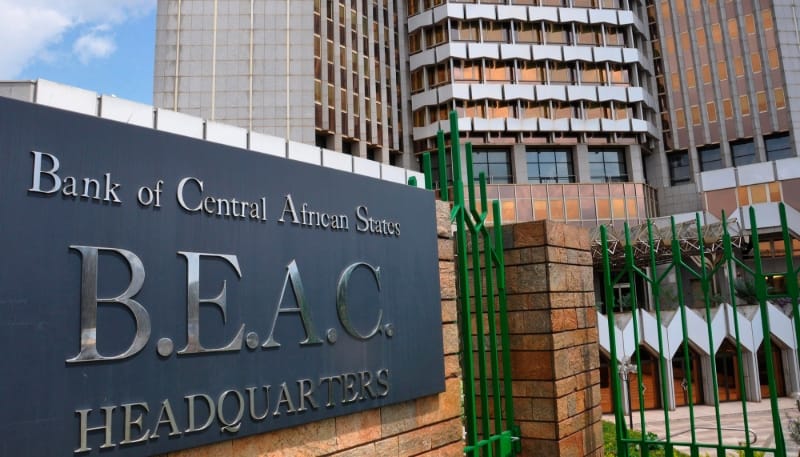
BEAC Adhésion PAPSS Cameroun: Instant Payments for Intra-Africa Trade
Summary
- The Banque des États de l'Afrique Centrale (BEAC) officially joined the Pan-African Payment and Settlement System (PAPSS) on July 9, 2026.
- Cameroon's Minister of Commerce announced this adhesion on August 21, 2026, highlighting its potential to revolutionize the country's private sector.
- PAPSS enables instant payments in local currencies across Africa, eliminating the need for U.S. dollars or Euros in cross-border transactions.
- This system is designed to reduce the high costs and delays previously associated with intra-African trade that relied on third-party currencies and non-African correspondent banks.
- The move is expected to accelerate trade exchanges, lower business costs, and enhance the competitiveness of 'Made in Cameroon' products across the continent.
Landmark Development for Regional Trade
This strategic move is set to revolutionize cross-border transactions for the Cameroonian private sector, allowing direct trade across the continent without reliance on foreign currencies like the U.S. dollar or Euro.
The Banque des États de l'Afrique Centrale (BEAC) officially joined the Pan-African Payment and Settlement System (PAPSS) on July 9, 2026, marking a significant step for financial transactions within the region. This strategic move, which facilitates instant payments in local currencies across Africa, was publicly announced by Cameroon's Minister of Commerce, Luc Magloire Mbarga Atangana, in a communiqué dated August 21, 2026. The BEAC adhésion PAPSS Cameroun is poised to fundamentally alter how businesses operate, particularly for Cameroonian enterprises engaging in cross-border commerce.
This integration means that operators in Cameroon can now conduct trade with partners across the African continent without the traditional reliance on external currencies such as the U.S. dollar or the Euro. The Système Panafricain de Paiement et de Règlement is designed to streamline financial flows, offering a direct pathway for transactions that bypass intermediaries outside the continent. For the Cameroonian private sector, this development is being hailed as a transformative shift, promising to unlock new efficiencies and opportunities in regional trade.
Streamlining Cross-Border Transactions
Historically, conducting business between an operator in Yaoundé and a counterpart in countries like Ghana or Kenya involved a complex and often costly process. Such transactions typically necessitated the use of third-party currencies, predominantly the U.S. dollar, and required routing through correspondent banks located outside the African continent. This traditional method was characterized by significant delays and incurred substantial costs, posing a barrier to efficient intra-African trade.
The advent of PAPSS directly addresses these long-standing challenges. By enabling paiement instantané monnaies locales Afrique, the system eliminates the need for currency conversion into a third-party medium and reduces dependence on non-African banking infrastructure. This direct settlement mechanism is expected to drastically cut down both the time and expense associated with cross-border payments, making commerce intra-africain Cameroun more accessible and profitable for businesses of all sizes. The Ministry of Commerce views this adhesion as a substantial advantage, anticipating a marked acceleration of exchanges and a reduction in the overall cost of trade across Africa.
Catalyst for Economic Growth and Integration
The integration of BEAC into PAPSS is not merely a technical upgrade; it represents a crucial enabler for broader economic objectives, particularly those aligned with the African Continental Free Trade Area (ZLECAF paiements). By simplifying and de-risking cross-border payments, the system is expected to foster greater economic integration and stimulate growth across the continent. This strategic move is set to revolutionize cross-border transactions for the Cameroonian private sector, allowing direct trade across the continent without reliance on foreign currencies like the U.S. dollar or Euro.
Minister Mbarga Atangana has actively encouraged the business community to swiftly adopt and fully leverage this new financial tool. The aim is to enhance the competitiveness of products labeled 'Made in Cameroon' within the African market, thereby boosting local industries and fostering economic development. This mechanism is anticipated to significantly contribute to the expansion of intra-African trade, creating a more interconnected and economically robust continent by facilitating smoother, faster, and more affordable financial interactions among member states.
Practical Implications
Lawyers advising clients on intra-African trade or financial transactions in the BEAC zone should inform them of the new PAPSS mechanism, which facilitates direct payments in local currencies, potentially reducing costs and compliance complexities associated with foreign exchange. This development creates new opportunities for clients engaged in cross-border commerce within Africa.
Source
How does this affect you?
Get an AI analysis of this article grounded in your jurisdictions, practice areas, and any policy documents you've uploaded to Wansom.
Wansom is AI and can make mistakes.