
UDC: Préoccupation Sur la Qualité du 4e Recensement Cameroun
Summary
- The Union Démocratique du Cameroun (UDC) has voiced concerns regarding the expected quality of results from Cameroon's 4th General Population and Housing Census.
- UDC President Patricia Tomaino Ndam Njoya released a statement on August 23, citing operational difficulties and repeated postponements of the census field operations.
- The current census, which began on April 24, 2026, is anticipated to last five months, contrasting with Côte d'Ivoire's 2021 census that counted nearly 30 million people in five weeks.
- The UDC's apprehension is also fueled by the five-year delay in publishing results from Cameroon's 3rd Census, conducted in 2005.
- Patricia Tomaino Ndam Njoya has called for a more inclusive enumeration, full compensation for census agents, and the creation of fixed counting points for uncounted populations.
Concerns Over Census Quality
The UDC's disquiet stems from a combination of operational challenges encountered during the enumeration phase and repeated postponements of the field operation's completion date.
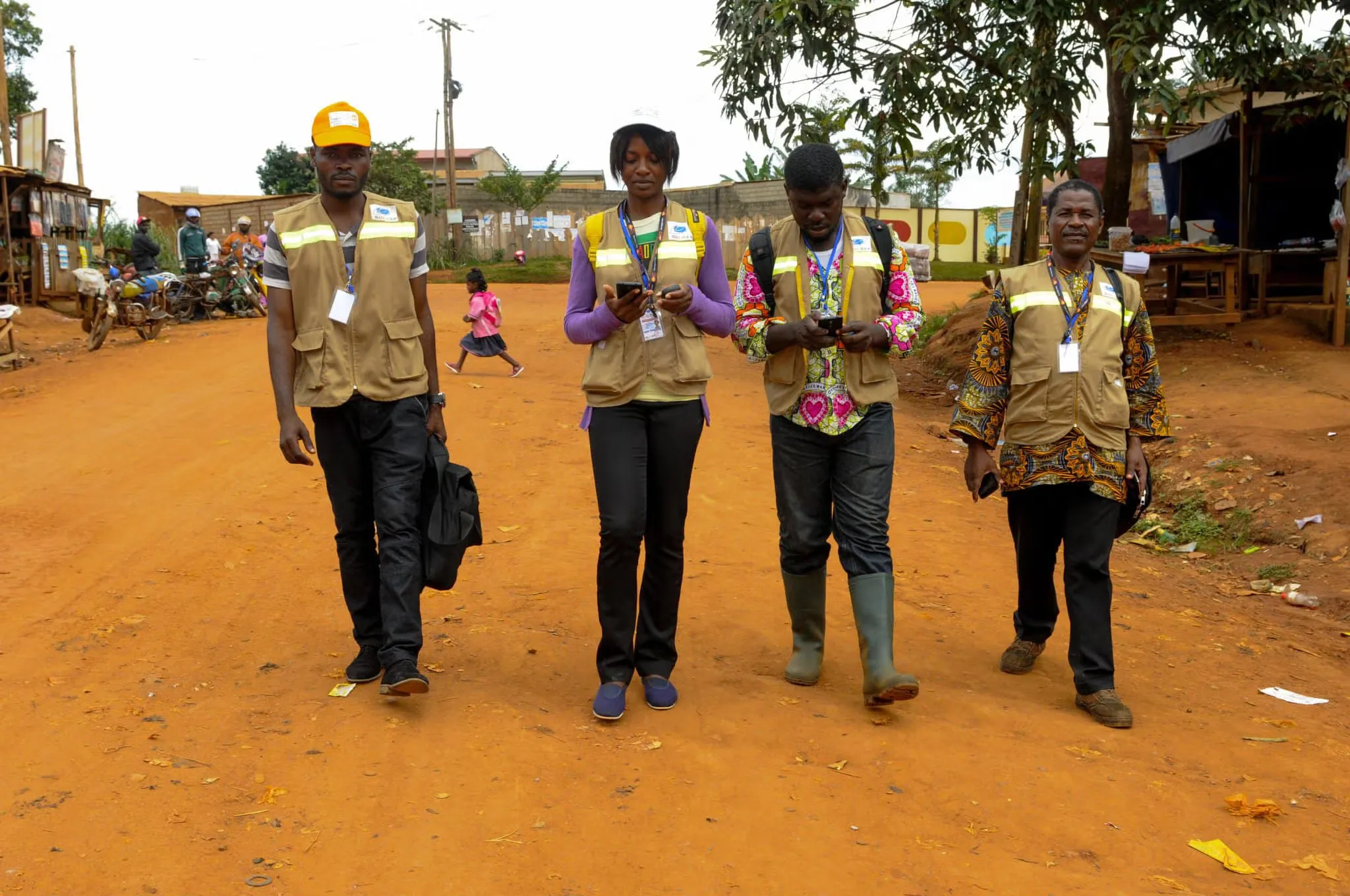
The Union Démocratique du Cameroun (UDC) has publicly expressed significant apprehension regarding the anticipated quality of the results from Cameroon's ongoing 4th General Population and Housing Census (RGPH), which also incorporates a General Agriculture and Livestock Census. This concern was articulated by the party's president, Mayor Patricia Tomaino Ndam Njoya, in a statement released on August 23. The UDC's disquiet stems from a combination of operational challenges encountered during the enumeration phase and repeated postponements of the field operation's completion date.
Historical Delays and Operational Comparisons
The UDC's concerns are rooted in both current operational difficulties and historical precedents. The current census operation, which commenced on April 24, 2026, is projected to conclude on September 15, resulting in a five-month enumeration period. This timeline is notably longer when compared to similar exercises in other African nations; for instance, Côte d'Ivoire successfully enumerated nearly 30 million inhabitants in just five weeks during its 2021 census.
Further fueling the UDC's apprehension is the memory of the previous 3rd Census, conducted in 2005, whose results took an extensive five years to be officially published. Such prolonged delays raise serious questions about the timeliness and ultimate utility of the data for national planning and policy formulation. The repeated extensions of the current census's field phase only serve to amplify these existing worries about the integrity and promptness of the final data.
Calls for Inclusivity and Accountability
In response to these pressing issues, UDC President Patricia Tomaino Ndam Njoya has issued a direct appeal to both the Cameroonian government and its international partners. Her proposals aim to enhance the credibility and comprehensiveness of the census. Specifically, she advocates for a more inclusive enumeration process, ensuring that all segments of the population are adequately counted.
Additionally, the former parliamentarian emphasized the critical importance of ensuring that all census agents receive their full and rightful compensation, a measure designed to maintain morale and operational integrity. She also proposed the establishment of fixed counting points to facilitate the enumeration of populations that may have been missed during initial field visits. These recommendations collectively seek to address the systemic weaknesses identified by the UDC and reinforce the foundational importance of accurate demographic data for national development.
Practical Implications
This raises concerns for lawyers and compliance officers regarding the reliability of official demographic and economic data in Cameroon. Decisions based on potentially flawed census results, such as market entry strategies, regulatory impact assessments, or litigation relying on population statistics, may require additional due diligence or alternative data sources.
Source
How does this affect you?
Get an AI analysis of this article grounded in your jurisdictions, practice areas, and any policy documents you've uploaded to Wansom.
Wansom is AI and can make mistakes.