
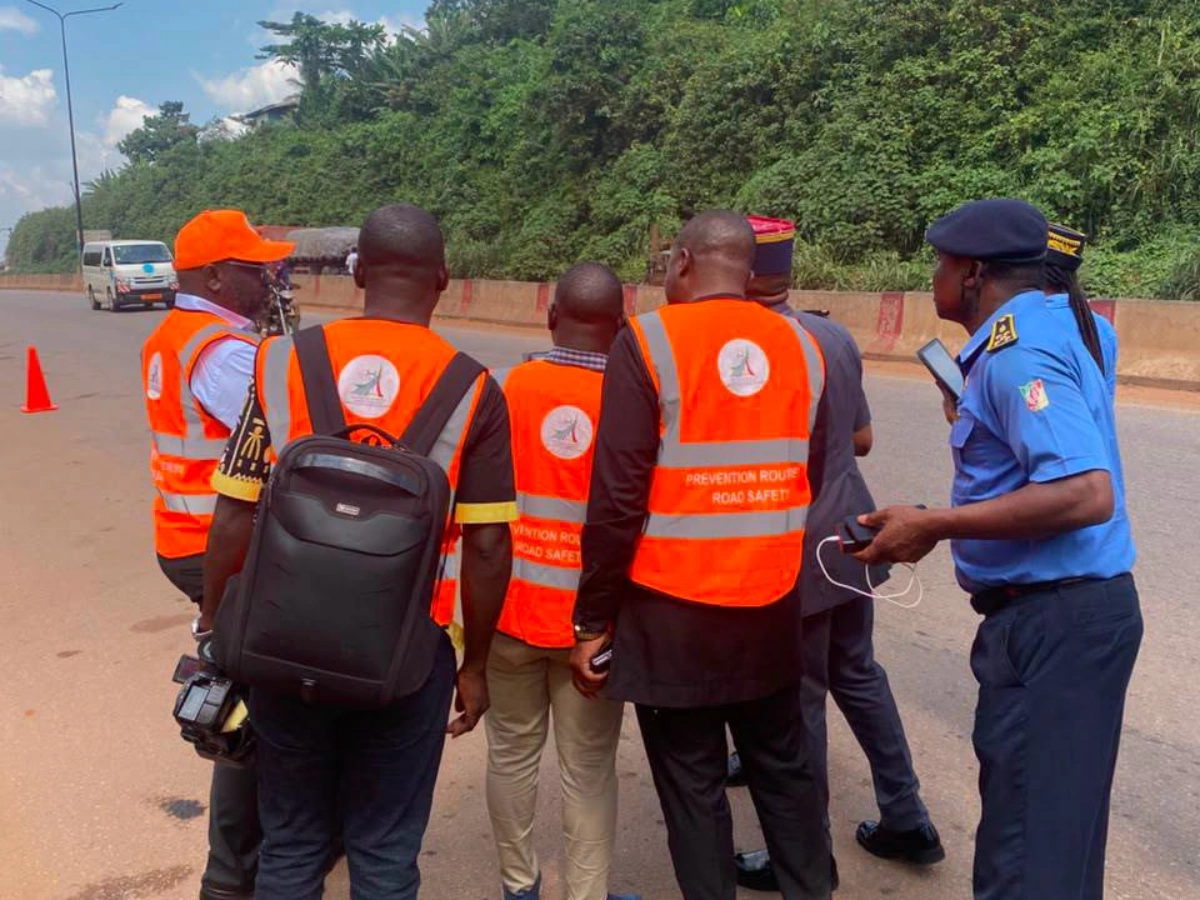
Cameroun: Vidéo-Verbalisation Forces Ordre Contre Infractions Routières
Summary
- Cameroon's Ministry of Transport is deploying video-verbalization and radiocommunication tools for law enforcement.
- The initiative aims to improve control of traffic infractions and prevent accidents, with intensified operations planned for August-September 2026.
- A working session led by Dr. Mbamome Nkendong Divine on August 25 discussed these tools with police and gendarmerie representatives.
- The new systems will record, store, and trace data for infractions like speeding, lack of technical inspection, and no insurance.
- Teams visited the Ministry's control center and radar sites in Ahala and Mbankomo for testing and inspection.
Enhanced Road Safety Measures Underway
The introduction of video-verbalization and the BeSafe radiocommunication system represents a transformative shift in how traffic laws will be enforced in Cameroon.
Cameroon's Ministry of Transport is actively bolstering its road safety framework, particularly as the new academic year approaches. This initiative involves equipping and training law enforcement agencies, known as Forces de maintien de l’ordre (FMO), with advanced technological tools, including video-verbalization and sophisticated radiocommunication systems. The primary objective is to significantly improve the control of traffic infractions and enhance accident prevention efforts across the nation.
This strategic deployment of new technologies is part of a broader plan to intensify road safety operations, scheduled to run from August 17 to September 30, 2026. A pivotal working session dedicated to the effective utilization of these tools took place on August 25 at the Ministry of Transport. The session was presided over by Dr. Mbamome Nkendong Divine, who serves as the Director of Road Transport, and saw participation from key representatives of the National Police (DGSN) and the National Gendarmerie.
New Tools for Infraction Detection and Tracking
The discussions during the working session centered on the capabilities of the video-verbalization system and the BeSafe radiocommunication device. These instruments are designed to provide crucial support for interventions by the Forces de maintien de l’ordre, enabling them to record, securely store, and accurately trace data related to observed traffic infractions. This digital evidence collection is expected to streamline enforcement processes and provide irrefutable proof of violations.
The initial pilot phase of this technological integration has already identified three prevalent categories of infractions that will be targeted: excessive speed, the absence of a valid technical inspection certificate for vehicles, and operating a vehicle without proper insurance coverage. The implementation of real-time control mechanisms is also a key feature, intended to facilitate the swift identification of offenders and enable more effective tracking of repeat violators, thereby enhancing overall road safety in Cameroon.
Operational Readiness and Strategic Deployment
Following the comprehensive discussions, the teams involved in the initiative proceeded with practical assessments of the new systems. This included a visit to the Ministry of Transport's central control center, which will serve as a hub for managing the data and operations generated by the new tools. This visit underscored the commitment to establishing a robust infrastructure for the enhanced control routier Cameroun.
Further practical inspections and testing were conducted at various radar installation sites, notably in Ahala and Mbankomo. These field visits were crucial for evaluating the readiness and effectiveness of the equipment in real-world conditions, ensuring that the Cameroun vidéo-verbalisation forces ordre are fully prepared for the upcoming intensified operations. The integration of these advanced systems marks a significant step forward in modernizing traffic enforcement.
Impact on Enforcement and Public Safety
The introduction of video-verbalization and the BeSafe radiocommunication system represents a transformative shift in how traffic laws will be enforced in Cameroon. By providing law enforcement with the ability to capture, store, and retrieve precise data on infractions routières vidéo-verbalisation, the Ministry of Transports Cameroun BeSafe initiative aims to create a more accountable and efficient system. This move is expected to deter violations and contribute significantly to reducing road accidents.
Under the leadership of Dr. Mbamome Nkendong Divine, the focus remains on leveraging technology to foster a safer driving environment. The ability to identify and track repeat offenders in real-time will be instrumental in addressing persistent issues on Cameroonian roads, ultimately contributing to a more disciplined driving culture and enhanced sécurité routière Cameroun for all road users.
Practical Implications
Lawyers specializing in traffic or administrative law in Cameroon should be aware of the new video-verbalization and radiocommunication tools being deployed by law enforcement, as this will impact how road infractions are detected, evidenced, and potentially challenged. Compliance officers in companies with vehicle fleets should update internal policies and driver training to account for increased enforcement and new methods of evidence collection.
Source
How does this affect you?
Get an AI analysis of this article grounded in your jurisdictions, practice areas, and any policy documents you've uploaded to Wansom.
Wansom is AI and can make mistakes.