
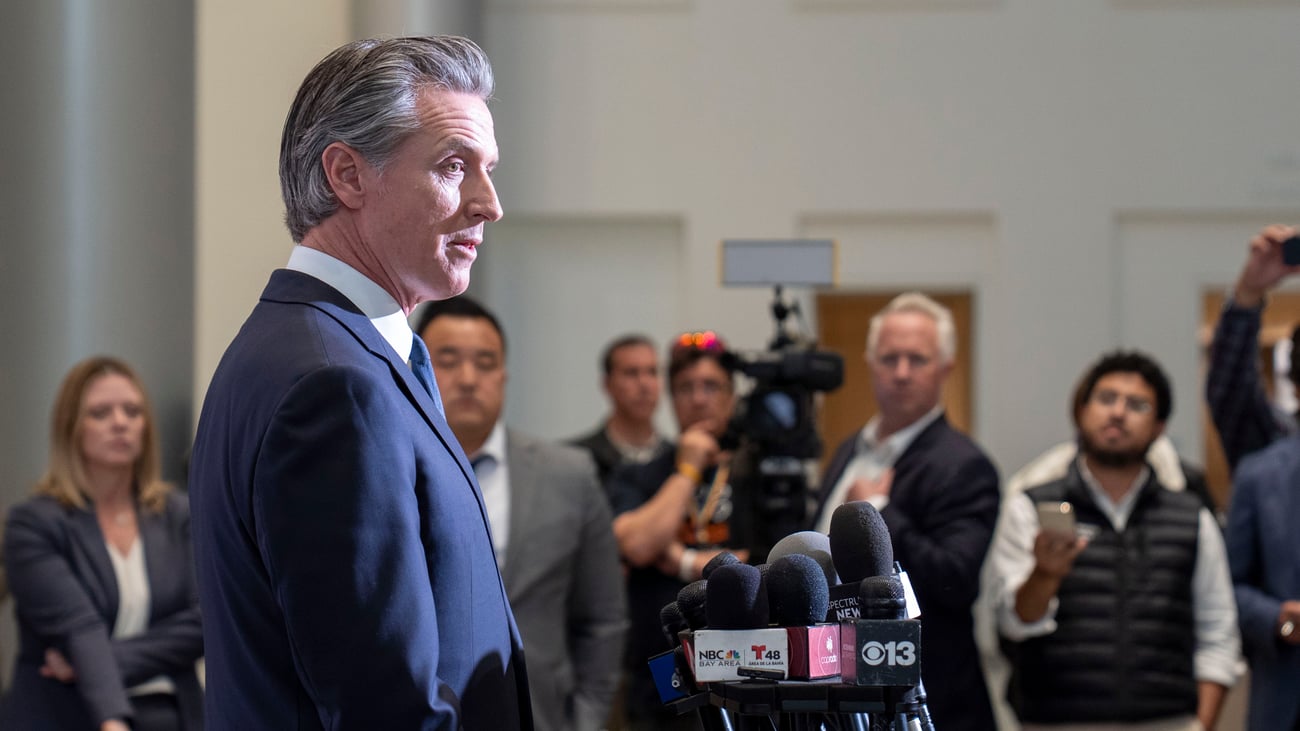
California: Newsom Signs Ultraprocessed Food, Vape Legislation
Summary
- Governor Gavin Newsom signed a series of bills on Monday, June 16, 2025, to improve public health and consumer awareness in California.
- New legislation includes AB 2244, creating a voluntary 'California certified' seal for non-ultraprocessed foods, and AB 1731, establishing a program for minimally processed foods in K-12 schools.
- California will ban the sale and manufacturing of single-use, non-rechargeable vaping devices starting January 1, 2027, under AB 762.
- AB 2030 prohibits the sale of diet pills and muscle-building supplements to individuals under 18 due to concerns about unregulated and potentially harmful ingredients.
- SB 1089 allows the California Health and Human Services Agency to partner with GLP-1 manufacturers to lower costs and increase the supply of weight-loss medications.
California's Latest Health Legislation
The comprehensive package reflects a concerted effort by state lawmakers to address various health concerns, from diet-related illnesses to youth vaping.
Governor Gavin Newsom recently approved a series of legislative measures aimed at enhancing public health and consumer awareness across California. These new laws, signed on a Monday following a press conference on Friday, June 12, 2025, introduce significant changes to how consumer goods are labeled and sold, particularly targeting ultraprocessed foods, vaping products, and dietary supplements. The comprehensive package reflects a concerted effort by state lawmakers to address various health concerns, from diet-related illnesses to youth vaping.
This legislative push underscores California's commitment to proactive health policies, with several bills focusing on increasing transparency for consumers and regulating products deemed harmful. The initiatives span multiple sectors, impacting food manufacturers, retailers, and the healthcare industry. These Gavin Newsom health bills are designed to empower Californians to make more informed choices about their health and well-being.
The new regulations include provisions for a voluntary food certification program, stricter controls on tobacco and vaping products, and safeguards against the sale of certain supplements to minors. These measures collectively represent a substantial update to California's regulatory landscape, signaling a clear direction toward healthier consumer environments and greater accountability for product manufacturers and sellers.
New Standards for Food and Nutrition
A key component of the recently enacted legislation focuses on California food labeling laws and the promotion of healthier eating habits. Assemblymember Jesse Gabriel, an Encino Democrat, championed AB 2244, which establishes a "California certified" seal that food manufacturers can voluntarily apply to their products. To qualify for this seal, products must meet specific criteria ensuring they are not ultraprocessed, offering consumers a clear indicator of healthier options. Gabriel highlighted the bipartisan support for this initiative, comparing its potential impact to the USDA Organic label in providing trustworthy information and helping consumers avoid harmful additives.
The governor's office emphasized that this legislation is a crucial step in the state's ongoing efforts to mitigate the potential harm associated with ultraprocessed foods, such as packaged cereals, chips with flavor additives, sodas, frozen pizzas, and other ready-to-eat frozen items. These industrialized and chemically preserved foods have been linked to serious health issues, including cardiovascular disease, Type 2 diabetes, metabolic disorders, and cancer. This bill builds upon the foundation laid by 2025's Assembly Bill 1264, which mandates the removal of ultraprocessed foods from California schools by July 1, 2035.
Further strengthening nutritional standards, AB 1731, introduced by Assemblymember Lori Wilson, a Suisun City Democrat, creates the California Healthy Food Procurement Fund Program within the Department of Food and Agriculture’s Office of Farm to Fork. This program, set to commence on January 1, 2028, will develop a vetted list of vendors to supply minimally processed, California-grown foods to K-12 schools. Additionally, Senators Akilah Weber Pierson's SB 869 and SB 977 will require chain restaurants to offer at least one children’s meal containing no more than 550 calories and two servings of fruits, vegetables, low-fat dairy, or whole grains, alongside warning icons for high-sugar menu items.
Stricter Controls on Vaping and Tobacco
The legislative package also introduces significant California tobacco product regulations, particularly targeting vaping devices. Assemblymember Jacqui Irwin's AB 762 makes it illegal to sell or manufacture single-use, non-rechargeable vaping devices in California, with this ban taking effect on January 1, 2027. This AB 762 single-use vape ban aims to curb the proliferation of disposable e-cigarettes that have become prevalent.
Another measure, AB 2667 by Assemblymember Heather Hadwick, prohibits the sale of vaping products designed to resemble other common items, such as highlighters or pens. This bill also streamlines the process for schools to dispose of confiscated vaping devices, addressing a growing concern about youth access and use of these products. These provisions reflect a concerted effort to prevent deceptive marketing and make it harder for minors to obtain and conceal vapes.
Rounding out the tobacco-related reforms, Senator Bob Archuleta's SB 1124 mandates that tobacco retailers display signage providing information about lung cancer screening, starting in 2028. These combined efforts underscore the state's commitment to public health by reducing the availability and appeal of harmful tobacco and vaping products, especially among younger populations.
Protecting Minors and Expanding Healthcare Access
Beyond food and tobacco, the new California ultraprocessed food vape legislation extends to safeguarding minors from potentially harmful dietary supplements. Assemblymember Josh Lowenthal's AB 2030 prohibits the sale of over-the-counter diet pills or dietary supplements marketed for weight loss or muscle building to individuals under 18 years old. This AB 2030 diet pills minors ban addresses concerns that many such products are unregulated and may contain dangerous substances, including steroids, posing significant risks to adolescent health.
In a move to improve access to critical medications, Senator Laura Richardson introduced SB 1089, also known as the Preventive Treatment Health Care Act. This bill authorizes the California Health and Human Services Agency to forge partnerships with manufacturers of FDA-approved GLP-1 medications. The primary goals of these collaborations are to reduce costs, foster greater competition among suppliers, and enhance the overall availability of these important weight-loss medications for Californians.
Practical Implications
California businesses, particularly those in food manufacturing, retail, and hospitality, must review new labeling, sales, and marketing compliance requirements stemming from these recently signed health and consumer protection bills. Legal counsel should advise on implementation timelines and potential liability for non-compliance with regulations on ultraprocessed foods, vaping products, and dietary supplements.
Source
How does this affect you?
Get an AI analysis of this article grounded in your jurisdictions, practice areas, and any policy documents you've uploaded to Wansom.
Finish Reading the Full Story and the Expert Analysis.
Get the latest legal & regulatory intelligence in United States
Wansom is AI and can make mistakes.