
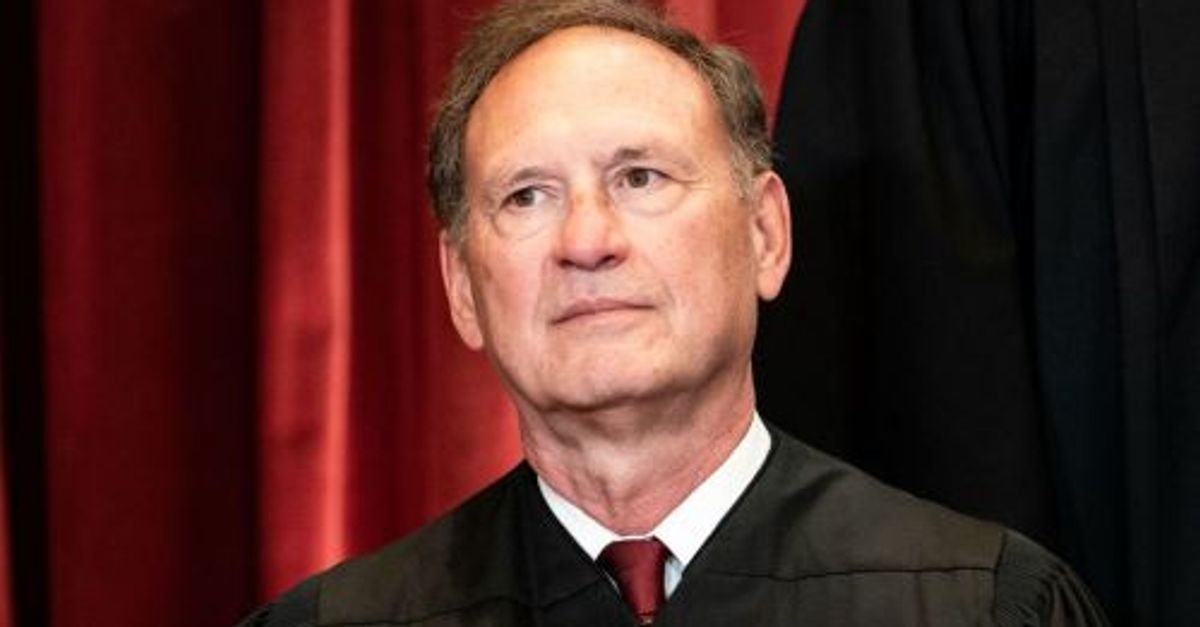
Justice Alito Recuses From Suncor Energy Climate Case
Summary
- Justice Samuel Alito announced his recusal from the *Suncor Energy Inc. v. County Commissioners of Boulder County* case just one week before arguments.
- The Supreme Court Clerk, Scott Harris, informed advocates via letter, providing no explanation for Alito's decision.
- The case concerns state-level tort claims seeking to hold oil and gas companies financially liable for their alleged role in climate change.
- Left-leaning watchdog groups had previously urged an investigation into Alito's involvement, citing his holdings in oil and gas companies.
- Alito's recusal means the Court will hear this significant climate change liability case with only eight justices.
Justice Alito Steps Aside in Key Climate Case
The altered judicial composition for this critical case on state-level climate change tort claims could profoundly influence its outcome and the broader legal landscape for corporate accountability in environmental matters.
The Supreme Court announced on a recent Monday that Justice Samuel Alito will no longer participate in the significant case of *Suncor Energy Inc. v. County Commissioners of Boulder County*. This development comes just one week before the case is set for oral arguments on Monday, October 5, marking the commencement of the 2026-27 term.
Scott Harris, the Clerk of the Supreme Court, communicated Justice Alito's last-minute recusal through a brief letter to the legal advocates involved in the proceedings. The communication from Harris offered no specific rationale for the decision, simply stating that "Justice Alito has determined that he will not continue to participate." This unexpected withdrawal means the Court will proceed with eight justices for this particular dispute, potentially altering the dynamics of the deliberation.
The Core of the Suncor Energy Dispute
At its heart, the *Suncor Energy* case asks the Supreme Court to consider the viability of state-level tort claims as a mechanism to hold oil and gas companies financially accountable. These claims allege that the companies bear responsibility for their role in exacerbating climate change and its associated impacts. The specific litigation originates from officials in the Boulder, Colorado, area, but its implications are expected to extend far beyond the state's borders.
This is because numerous similar lawsuits, also pursuing climate change tort claims against oil and gas entities, have been initiated in various states across the country. Consequently, the Supreme Court's ruling in *Suncor Energy Inc. v. County Commissioners of Boulder County* could establish a crucial precedent, influencing the trajectory of environmental litigation and corporate liability nationwide.
Recusal Follows Watchdog Scrutiny
Justice Alito's decision to recuse himself follows earlier calls for an investigation into his involvement in the case. In May, a coalition of left-leaning watchdog groups formally urged the Senate Judiciary Committee to examine the matter. These groups contended that Justice Alito's "substantial holdings in individual oil and gas companies," among other concerns, could "undermin[e] public confidence in the impartiality of the Court."
The watchdog organizations further highlighted that Justice Alito had previously recused from considering a petition brought by the very same companies involved in the *Suncor Energy* dispute. They noted the absence of any apparent justification for a change in his recusal practices and pointed out that Justice Alito had not issued a statement explaining his current decision to step aside, raising questions about judicial recusal and Supreme Court ethics.
Why This Recusal Matters
The recusal of Justice Alito from *Suncor Energy* is a significant development, particularly given the case's landmark status and its potential to shape future legal battles over climate change liability. His absence means the Supreme Court will hear arguments with only eight justices, which could lead to a 4-4 split decision, effectively upholding the lower court's ruling without setting a national precedent, or it could necessitate a re-argument.
Lawyers advising oil and gas companies or involved in environmental litigation should closely monitor this situation. The altered judicial composition for this critical case on state-level climate change tort claims could profoundly influence its outcome and the broader legal landscape for corporate accountability in environmental matters. The decision by Justice Alito to recuse himself underscores the ongoing scrutiny of judicial ethics, especially in cases with significant economic and environmental implications.
Practical Implications
Lawyers advising oil and gas companies or involved in environmental litigation should note Justice Alito's recusal from *Suncor Energy*, as it alters the judicial composition for a landmark case on state-level climate change tort claims, potentially influencing the outcome and future precedents for corporate liability in this area.
Source
How does this affect you?
Get an AI analysis of this article grounded in your jurisdictions, practice areas, and any policy documents you've uploaded to Wansom.
Finish Reading the Full Story and the Expert Analysis.
Get the latest legal & regulatory intelligence in United States
Wansom is AI and can make mistakes.