
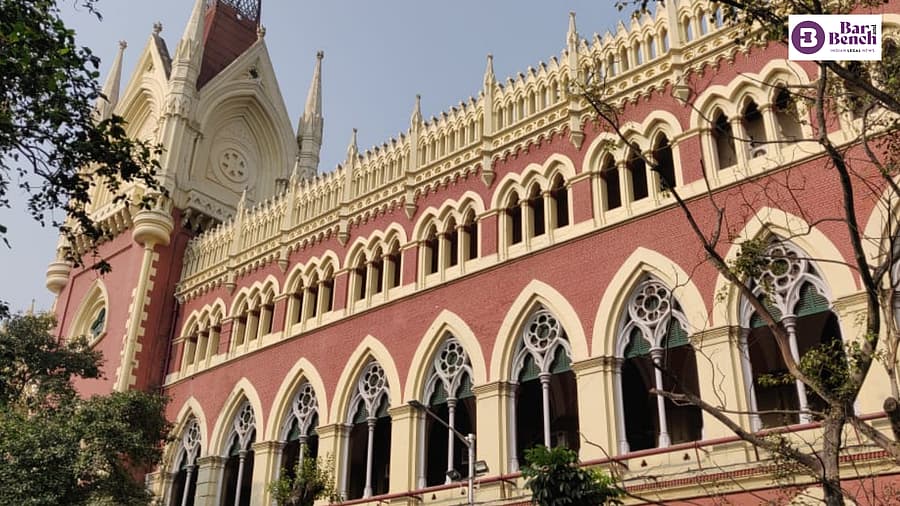
Calcutta High Court: ABP Gerua Gundami Relief Shields Journalists
Summary
- The Calcutta High Court granted interim relief to an Anandabazar Patrika editor and journalist from coercive action in an FIR.
- The FIR stemmed from the newspaper's use of "Gerua Gundami" (Saffron Hooliganism) in a headline describing Jadavpur University violence on August 20.
- Justice Saugata Bhattacharyya issued the order after noting the journalists' cooperation with police and the State's admission that custodial interrogation was not required.
- The court directed police not to take coercive steps until December 15, 2026, or further order, contingent on the journalists' continued cooperation.
- The FIR originated from a report on clashes between ABVP and Left-affiliated student groups at Jadavpur University on August 19-20.
Court Grants Interim Protection to Journalists
This decision could serve as a valuable reference point for legal counsel representing media houses or individual journalists accused in FIRs related to published content, offering a basis to argue for similar protective orders against immediate arrest or other severe actions, thereby reinforcing media protection in criminal proceedings.
The Calcutta High Court recently intervened to provide significant interim relief to an editor and a journalist associated with Anandabazar Patrika (ABP). The court's directive shields them from coercive action stemming from a First Information Report (FIR) that was lodged against them. This legal challenge arose in connection with the newspaper's use of the phrase “Gerua Gundami,” which translates to “Saffron Hooliganism,” in a news headline.
The controversial headline was published in the context of reporting on violent incidents that occurred at Jadavpur University on August 20. The case, formally titled Ishani Datta Ray & Anr. v The State of West Bengal & Ors., saw Justice Saugata Bhattacharyya presiding over the proceedings and ultimately issuing the protective order. This decision marks a notable development for media professionals facing legal scrutiny over their published content.
Judicial Rationale for Relief
Justice Saugata Bhattacharyya's decision to grant interim relief was predicated on several key factors, primarily the journalists' demonstrated cooperation with the ongoing investigation. The court noted that both individuals had diligently appeared before police authorities in response to notices issued during the inquiry and had fully complied with these directives. This proactive engagement played a crucial role in the court's assessment.
Further bolstering the petitioners' case, the State itself submitted during the hearing that there was no requirement for the custodial interrogation of the journalists. Taking these submissions into careful consideration, the High Court issued a clear directive prohibiting the police from taking any coercive steps against the petitioners. This protective measure is set to remain in effect until December 15, 2026, or until a further order is issued, whichever event occurs earlier. The court explicitly conditioned this relief on the journalists' continued cooperation with the investigation and their compliance with any future notices related to the criminal proceedings.
Background of the FIR
The FIR against the Anandabazar Patrika editor and journalist originated from a report published by the newspaper detailing a period of unrest at Jadavpur University. The report specifically covered violent clashes that unfolded between August 19 and August 20. These incidents involved members of the Akhil Bharatiya Vidyarthi Parishad (ABVP) and various Left-affiliated student groups.
The confrontations occurred during a general body meeting held at the university, escalating into the violence that the newspaper subsequently described using the phrase “Gerua Gundami.” The FIR was filed in response to this particular expression, highlighting the contentious nature of media reporting on politically charged events and the potential legal repercussions for journalists.
Implications for Media Protection
This ruling from the Calcutta High Court provides a significant precedent for journalists and media organizations facing criminal proceedings, particularly those arising from their reporting. The interim relief granted to the ABP editor and journalist in the 'Gerua Gundami' case underscores the judiciary's role in safeguarding media professionals from immediate coercive action, such as arrest, when certain conditions are met.
It demonstrates that where journalists cooperate with investigations and custodial interrogation is deemed unnecessary by the State, courts may intervene to prevent harsh measures. This decision could serve as a valuable reference point for legal counsel representing media houses or individual journalists accused in FIRs related to published content, offering a basis to argue for similar protective orders against immediate arrest or other severe actions, thereby reinforcing media protection in criminal proceedings.
Practical Implications
Lawyers representing journalists or media houses facing FIRs for published content should note this precedent from the Calcutta High Court. It demonstrates that interim relief from coercive action can be secured if the accused cooperates with the investigation and custodial interrogation is not deemed necessary, providing a basis to argue against immediate arrest or harsh measures.
Source
How does this affect you?
Get an AI analysis of this article grounded in your jurisdictions, practice areas, and any policy documents you've uploaded to Wansom.
Finish Reading the Full Story and the Expert Analysis.
Get the latest legal & regulatory intelligence in India
Wansom is AI and can make mistakes.