
CADRA Summer School: Experts Discuss Arbitral Tribunal Appointments
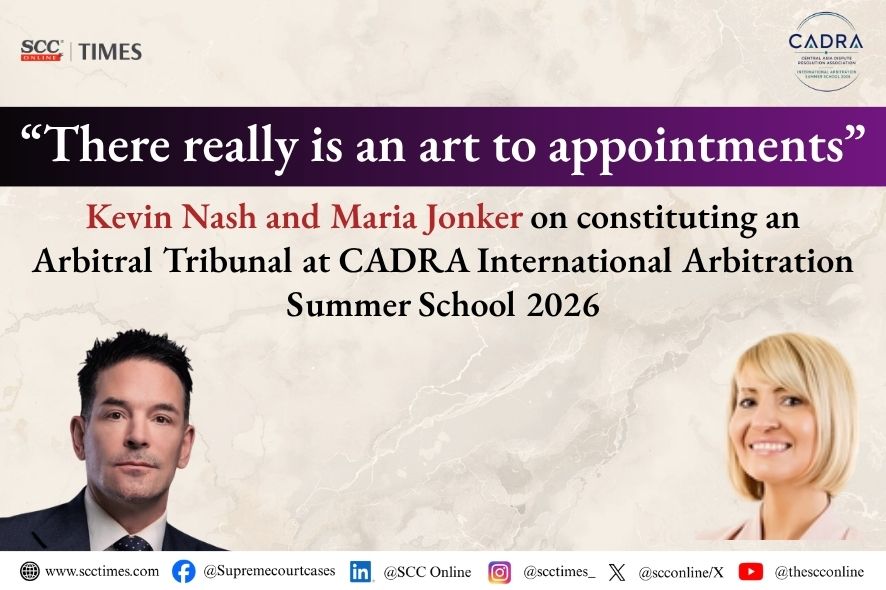
Kevin Nash and Maria Jonker discussed the constitution of arbitral tribunals, including appointments, independence, and impartiality, at the CADRA International Arbitration Summer School 2026.
The session, titled “Constitution of the Arbitral Tribunal: Appointment, Independence, Impartiality, and Challenges,” brought together these experts to delve into critical aspects of arbitral procedure. Their discussion encompassed the principle of party autonomy in arbitrator selection, the fundamental requirements of arbitrator independence and impartiality, the scope of disclosure obligations, the growing emphasis on diversity within tribunals, and the mechanisms available for challenging arbitrators. This event serves as a forward-looking educational and thought leadership initiative within the international arbitration community, signaling ongoing efforts to refine and strengthen arbitral processes.
This discussion holds significant legal importance for practitioners, businesses, and the broader public engaged in international dispute resolution. It underscores the complex and nuanced considerations involved in constituting an arbitral tribunal, which directly impacts the fairness, legitimacy, and ultimate enforceability of arbitral awards. For legal professionals, understanding these principles is paramount for effectively advising clients on drafting robust arbitration clauses, navigating the appointment process, and, if necessary, initiating or defending against challenges to arbitrators. The focus on diversity reflects a broader global trend towards enhancing the representativeness and perceived fairness of arbitral panels, which can bolster confidence in the system.
The legal context for these discussions is rooted in various international and national arbitration frameworks. Key instruments include the UNCITRAL Model Law on International Commercial Arbitration, national arbitration acts (such as South Africa's International Arbitration Act 15 of 2017, given CADRA's African focus), and the rules of major arbitral institutions like the ICC, LCIA, and AFSA. The principles of independence, impartiality, and disclosure are cornerstones of due process, often explicitly enshrined in these rules and statutes, and are frequently tested in national courts when challenges to awards are brought under conventions like the New York Convention of 1958. Jurisprudence from various jurisdictions continually shapes the interpretation and application of these standards.
Attorneys and businesses should closely monitor evolving best practices in arbitrator selection, particularly concerning the practical application of independence, impartiality, and diversity criteria. Practitioners must be adept at conducting thorough due diligence on potential arbitrators, advising clients on strategic appointments, and understanding the procedural and substantive grounds for challenging an arbitrator. Staying informed about institutional guidelines and national court decisions on these matters is crucial for ensuring the integrity of arbitral proceedings and safeguarding the enforceability of any resulting awards. This proactive approach helps mitigate risks and enhances the efficacy of international commercial arbitration.
How does this affect you?
Get an AI analysis of this article grounded in your jurisdictions, practice areas, and any policy documents you've uploaded to Wansom.
Finish Reading the Full Story and the Expert Analysis.
Get the latest legal & regulatory intelligence in India
Wansom is AI and can make mistakes.