
C64 Rejects Tshisekedi's Referendum Bill in DRC: Constitutional Concerns
Summary
- C64 rejects Tshisekedi's referendum bill in DRC, citing national cohesion and territorial integrity concerns.
- Proposal for organizing the referendum sent back to Parliament for further deliberation despite initial approval by Assembly and Senate.
- President Tshisekedi requests integration of Court's observations into text to enhance clarity and legal security.
- C64 views move as attempt to undermine national cohesion, sparking concerns over authoritarian consolidation.
Tshisekedi's Referendum Bill Rejected by C64
The coalition argues that in a country facing war and occupation of its territory, the risk of compromising national cohesion and balkanization is an artificial creation designed to undermine the nation's independence.
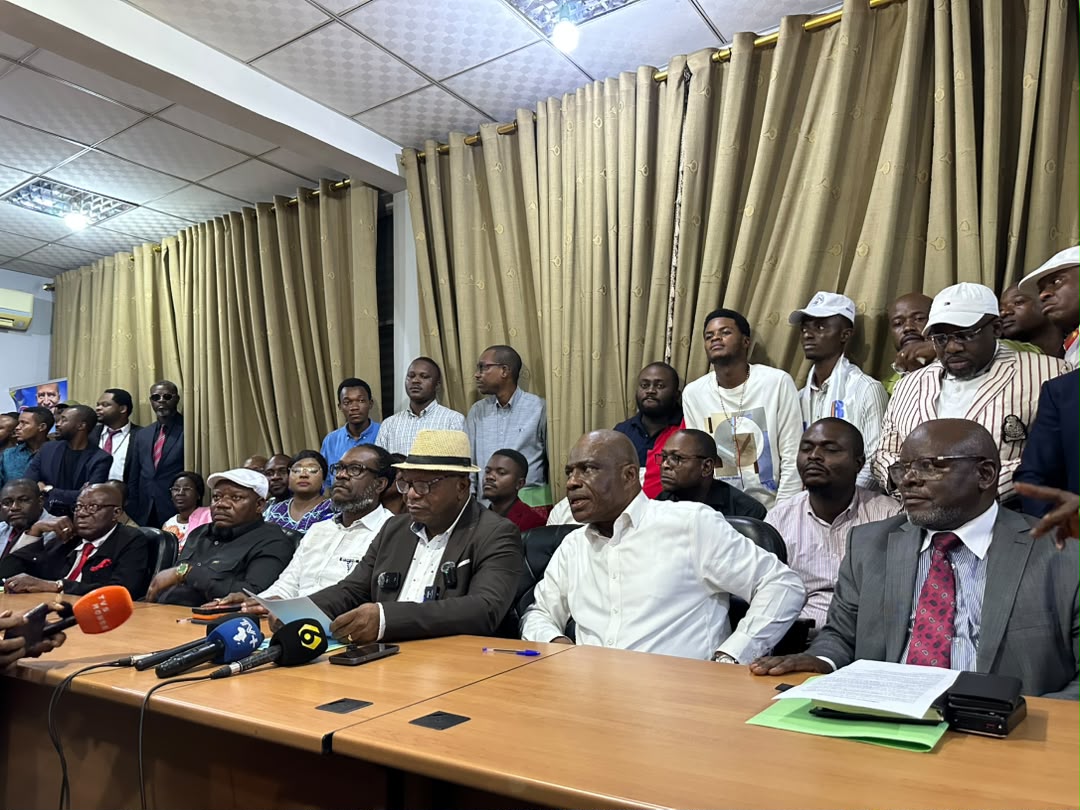
The Congolese opposition coalition C64 has once again rejected the proposal to amend the constitution through a referendum, citing concerns over national cohesion and territorial integrity. According to a joint statement read by Jean Marc Kabund, the coalition views the project as a threat to the country's independence, sovereignty, and territorial integrity.
The coalition argues that in a country facing war and occupation of its territory, the risk of compromising national cohesion and balkanization is an artificial creation designed to undermine the nation's independence. Kabund also denounced what he called an 'elbow' towards authoritarian consolidation, with President Tshisekedi engaging in a continuous rebellion against constitutional order.
The proposal for organizing the referendum has been sent back to Parliament for further deliberation during the September session, despite having already been adopted by both the Assembly and Senate. The decision follows a request from President Tshisekedi, who wants the Court's observations directly integrated into the text to enhance clarity and legal security.
Legal Context
The proposal for organizing the referendum was initially approved by both the Assembly and Senate before being declared constitutional by the Court. However, President Tshisekedi has requested that the observations of the Court be directly integrated into the text to strengthen its clarity and legal security. This move has been met with resistance from the C64 coalition, which views it as an attempt to undermine national cohesion.
The integration of the Court's observations into the bill may have significant implications for the country's constitutional framework and national cohesion. Lawyers and compliance officers should closely monitor this development, particularly in regards to its potential impact on the referendum process in DRC.
Why It Matters
The rejection of Tshisekedi's referendum bill by C64 has significant implications for the country's constitutional framework and national cohesion. The integration of the Court's observations into the bill may have far-reaching consequences, including potential risks to national independence, sovereignty, and territorial integrity.
As the proposal is sent back to Parliament for further deliberation, it remains to be seen how this development will impact the country's future. The C64 coalition's stance against the referendum has sparked concerns over authoritarian consolidation and the undermining of constitutional order.
Practical Implications
Lawyers and compliance officers should watch for the potential implications of this development on the referendum process in DRC, particularly with regards to the integration of the Court's observations into the bill. This may have significant consequences for the country's constitutional framework and national cohesion.
Source
How does this affect you?
Get an AI analysis of this article grounded in your jurisdictions, practice areas, and any policy documents you've uploaded to Wansom.
Wansom is AI and can make mistakes.