
Kindu: Exploitation des Enfants à des Fins Commerciales Observée
Summary
- Children in Kindu, Maniema, are extensively involved in street vending to help their families fund school supplies.
- Radio Okapi observed this widespread commercial activity by young boys and girls on Thursday, August 14, 2026.
- One child confirmed their participation was due to parents lacking funds for school materials, while parents view it as a strategy to boost household income.
- Child rights organizations denounce the practice, stating that the commercial exploitation of children is legally prohibited and punishable.
- Advocates emphasize that parents are responsible for their children's needs and schooling, calling for greater child protection during the school holiday period.
Widespread Child Vending Observed in Kindu
Child rights organizations unequivocally condemn this practice, asserting that the commercial exploitation of children is both legally prohibited and subject to penalties.
As the new academic year approaches in Maniema province, many families are actively seeking resources to acquire essential school supplies. However, a concerning trend of children being extensively involved in small-scale commercial activities has been noted across Kindu city. Numerous young individuals are seen daily navigating the streets, seeking customers to sell a variety of goods.
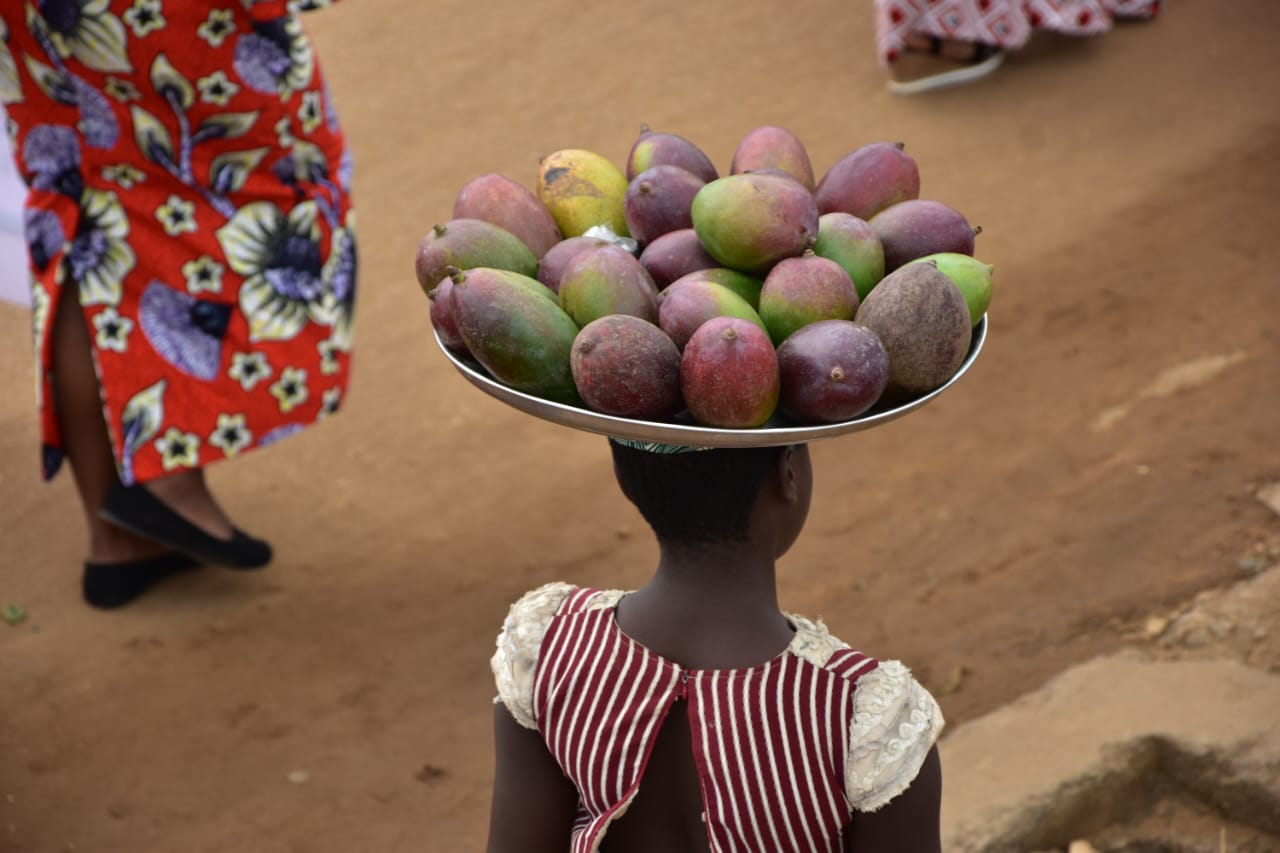
This widespread engagement of children in commerce was documented by Radio Okapi on Thursday, August 14, 2026. The observation highlighted that young boys and girls routinely traverse the city's main thoroughfares, balancing basins filled with merchandise on their heads. Among the items frequently offered to passersby are bananas, beignets, and peanuts, alongside other miscellaneous products. This situation, indicative of the commercial exploitation of children in Kindu, has drawn strong criticism from organizations dedicated to defending child rights.
Economic Pressures Drive Child and Parental Motivations
The involvement of children in these commercial endeavors is often directly linked to household financial constraints. One child encountered during the observation explained that their participation in vending was necessitated by their parents' inability to afford school supplies. This child articulated that they traversed the city with their goods specifically to earn the money required for their educational materials.
For some parents, the engagement of their children in these sales activities is a deliberate strategy to enhance family income. Madame Jeanne, a parent, elaborated on this approach, stating that involving her children in commerce simplifies her own tasks. She described a method where one child might be sent to sell goods in one direction while another goes in a different direction, allowing the family to accumulate a more substantial sum by evening. This collective effort, she noted, is intended to help prepare for the children's return to school, underscoring the role of children's labor in increasing overall household revenue.
Legal Prohibitions and Advocacy for Child Protection
Child rights organizations unequivocally condemn this practice, asserting that the commercial exploitation of children is both legally prohibited and subject to penalties. Leaders of these advocacy groups are urging parents to cease this activity, emphasizing that the law explicitly forbids such use of children for commercial gain.
These organizations firmly maintain that the primary responsibility for providing for children's needs rests with their parents, and children should not be burdened with the financial responsibility for their own schooling. They are actively campaigning for enhanced protection for children, particularly during the current holiday period, which is typically marked by preparations for the upcoming school year and heightened financial pressures on families.
Source
How does this affect you?
Get an AI analysis of this article grounded in your jurisdictions, practice areas, and any policy documents you've uploaded to Wansom.
Wansom is AI and can make mistakes.