
C64: Jacquemain Shabani FARDC RDC Complaint Filed With Auditorat Général
Summary
- The Coalition Article 64 (C64) filed a collective complaint with the Auditorat général des FARDC on Friday, September 25, 2026.
- The complaint targets Jacquemain Shabani, Daniel Bumba, Augustin Kabuya, and Israël Kantu, identified as political and security officials.
- This legal action stems from incidents of violence that occurred on September 15.
- The filing with the military prosecutor's office against civilian officials raises questions about jurisdictional scope and accountability for public violence in the RDC.
Formal Complaint Filed Against RDC Officials
Legal professionals advising political figures or involved in human rights litigation in RDC should closely monitor this case for its potential impact on accountability for public violence and the evolving scope of the military prosecutor's jurisdiction over civilian officials.
The Coalition Article 64 for the defense of constitutional order (C64) has initiated significant legal action in the Democratic Republic of Congo (RDC). On Friday, September 25, 2026, the C64 lodged a collective complaint with the Auditorat général des FARDC, which is the General Military Prosecutor's Office of the Armed Forces of the Democratic Republic of Congo. This formal legal filing targets several prominent individuals identified as political and security officials within the RDC.
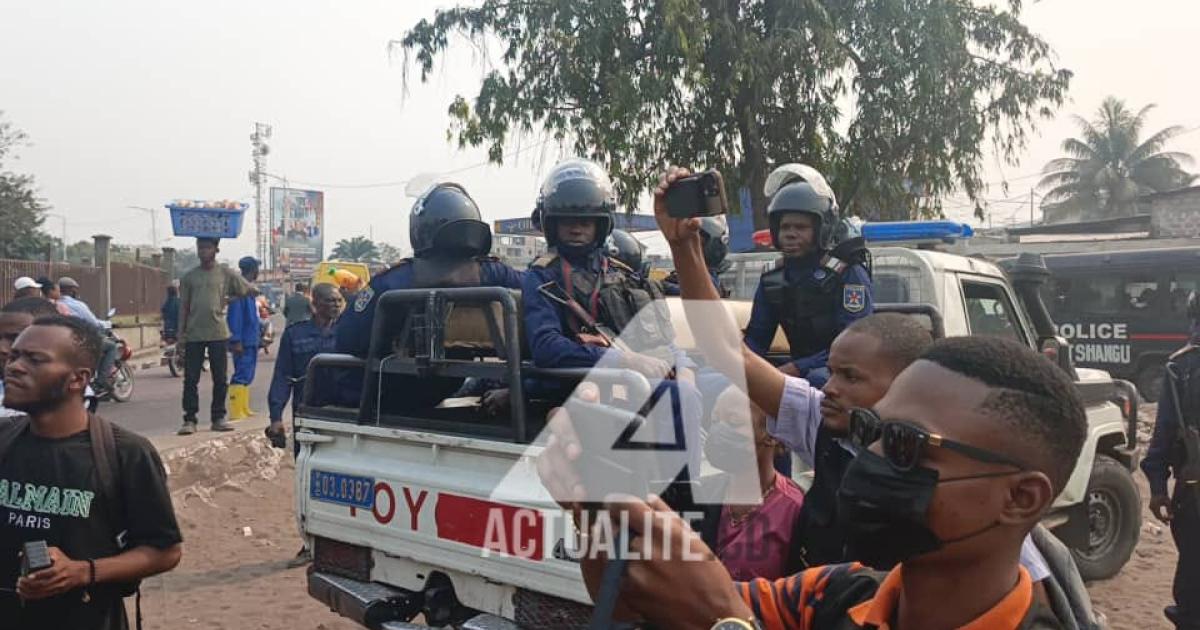
The complaint specifically names Jacquemain Shabani, Daniel Bumba, Augustin Kabuya, and Israël Kantu as the subjects of this legal challenge. The basis for this collective action stems from incidents of violence that reportedly occurred on September 15. The C64, acting as the complainant, has brought these allegations before a military judicial authority, signaling a potentially impactful development in the country's efforts to address public disorder and ensure accountability.
Legal and Institutional Framework: Military Prosecutor's Jurisdiction
The decision by the Coalition Article 64 (C64) to file its complaint with the Auditorat général des FARDC introduces a notable dimension to this RDC legal action. The C64, by its very name, underscores its commitment to upholding the constitutional framework, suggesting that the alleged violence on September 15 may be perceived as a challenge to that order. The Auditorat général des FARDC typically exercises jurisdiction over military personnel and matters directly related to national security, making its involvement in a case against civilian political and security officials particularly noteworthy.
This jurisdictional choice raises important questions about the specific legal grounds under which the military prosecutor's office will proceed against Jacquemain Shabani, Daniel Bumba, Augustin Kabuya, and Israël Kantu. The complaint against these individuals, described as political and security officials, could test the boundaries of military justice in the RDC, potentially expanding its reach into areas traditionally handled by civilian courts. Legal observers will be keen to understand the rationale behind this filing and its implications for the separation of powers and judicial oversight within the country.
Implications for Political Accountability in RDC
This complaint by the C64 represents a significant move towards demanding greater accountability for public violence in the Democratic Republic of Congo. The legal proceedings against Jacquemain Shabani, Daniel Bumba, Augustin Kabuya, and Israël Kantu, initiated through the Auditorat général des FARDC, could establish important precedents regarding the scope of military justice and its role in addressing incidents of political unrest involving civilian figures. The case highlights ongoing efforts to strengthen the rule of law and ensure that those responsible for public disorder are held to account, regardless of their political or security affiliations.
Legal professionals advising political figures or involved in human rights litigation in RDC should closely monitor this case for its potential impact on accountability for public violence and the evolving scope of the military prosecutor's jurisdiction over civilian officials. The outcome will likely influence future approaches to addressing political violence accountability in the RDC, shaping how allegations of misconduct by high-ranking individuals are investigated and prosecuted. This development underscores the complex interplay between political dynamics, security concerns, and the pursuit of justice within the nation.
Practical Implications
Lawyers advising political figures or involved in human rights litigation in RDC should monitor this case for precedents on accountability for public violence and the scope of the military prosecutor's jurisdiction over civilian officials.
Source
Source: Original reporting via PMaki sam
How does this affect you?
Get an AI analysis of this article grounded in your jurisdictions, practice areas, and any policy documents you've uploaded to Wansom.
Finish Reading the Full Story and the Expert Analysis.
Get the latest legal & regulatory intelligence in DR Congo
Wansom is AI and can make mistakes.