
Burundi: UPRONA Official Arrested Over Widow's House Initiative
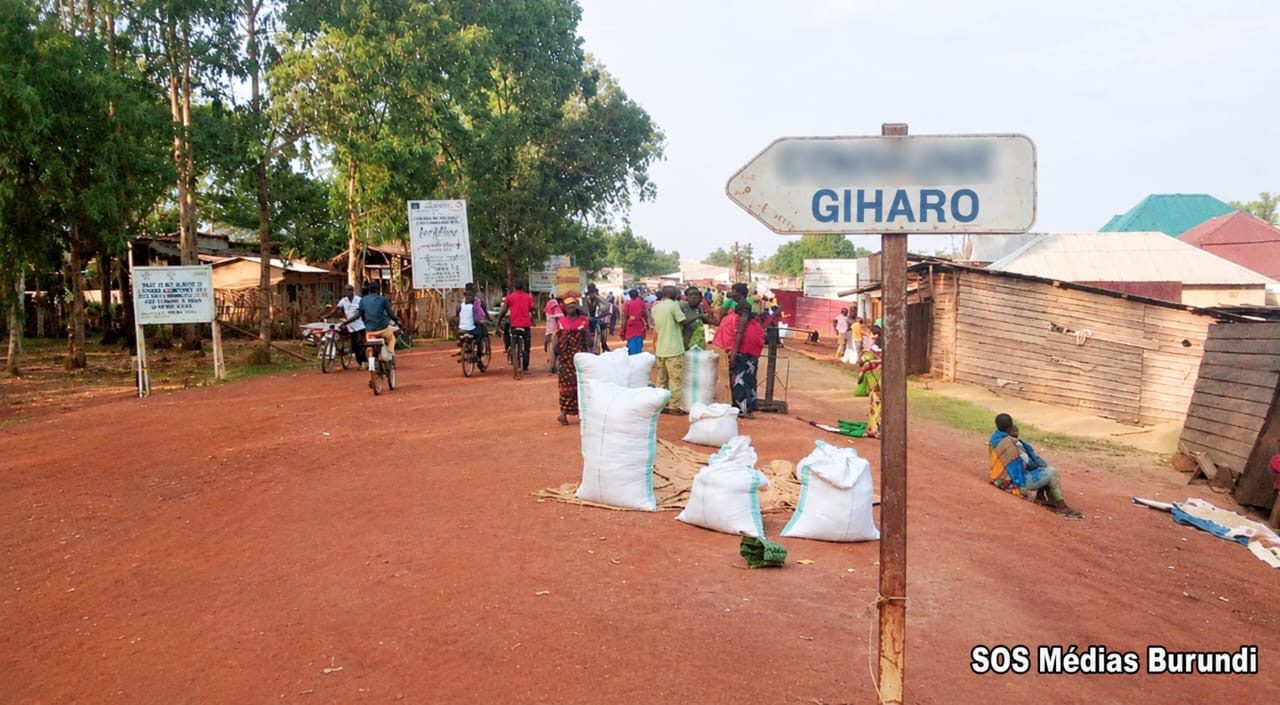
Elias Kagoma, a representative of the UPRONA party in Burundi's Giharo zone, was arrested on November 10, 2026, by local officials of the ruling CNDD-FDD party, reportedly for attempting to claim credit for a house built for a widow. This arrest, which occurred in the Musongati district of Burunga province, stems from a political dispute over a humanitarian gesture, with CNDD-FDD officials accusing Kagoma of misrepresenting the initiative as a UPRONA project. Kagoma, however, maintains that his involvement was limited to providing personal assistance to the widow, Thérèse Ntirampeba, and her children, whom he had taken into his home after finding them in makeshift shelters, denying any role in the financing or construction of the house itself. The specific legal grounds for his arrest and detention are not detailed in the report, and the outcome of this matter is not yet reported.
This incident carries significant legal and political implications for Burundi, particularly concerning the exercise of political freedoms and the rule of law. The arrest of an opposition party official by ruling party members, seemingly without clear legal process and based on a politically charged accusation, raises serious questions about due process, arbitrary detention, and the impartiality of law enforcement. For legal practitioners, this highlights the precarious environment for political pluralism and the potential for politically motivated actions to circumvent established legal frameworks. It underscores the challenges in upholding constitutional rights, such as freedom of association and expression, when political tensions are high and ruling party influence appears to extend into law enforcement functions.
Burundi's legal framework, while theoretically guaranteeing fundamental rights and freedoms, operates within a political landscape often characterized by significant influence of the ruling party, CNDD-FDD. The country's constitution and criminal procedure code outline provisions for lawful arrest and detention, requiring specific charges and adherence to due process. However, reports of political intimidation and arbitrary arrests, particularly targeting opposition figures, are not uncommon. This case, where local CNDD-FDD officials appear to have initiated an arrest without explicit mention of police involvement or judicial warrant, suggests a potential bypass of formal legal channels, raising concerns about the separation of powers and the independence of the judiciary and law enforcement. The lack of reported specific charges against Kagoma further complicates the legal assessment, pointing to a possible extra-legal detention.
The key parties involved include Elias Kagoma, the arrested UPRONA official, and the CNDD-FDD officials who reportedly carried out the arrest: Alexis Baraguma, Désiré Hakizimana, Simon Nivyayo, and Claver Mugisha. The widow, Thérèse Ntirampeba, is central to the factual dispute. For attorneys and legal professionals operating in Burundi or advising entities with interests in the country, this case serves as a critical reminder of the political risks inherent in the operating environment. Practitioners should closely monitor developments related to political freedoms, arbitrary detentions, and the application of due process, especially in cases involving opposition figures. Businesses and NGOs should be aware of the potential for political disputes to escalate into legal challenges or personal detentions, and should advise clients on robust compliance and risk mitigation strategies, including understanding local power dynamics and the potential for informal legal processes.
How does this affect you?
Get an AI analysis of this article grounded in your jurisdictions, practice areas, and any policy documents you've uploaded to Wansom.
Finish Reading the Full Story and the Expert Analysis.
Get the latest legal & regulatory intelligence in Burundi
Wansom is AI and can make mistakes.