
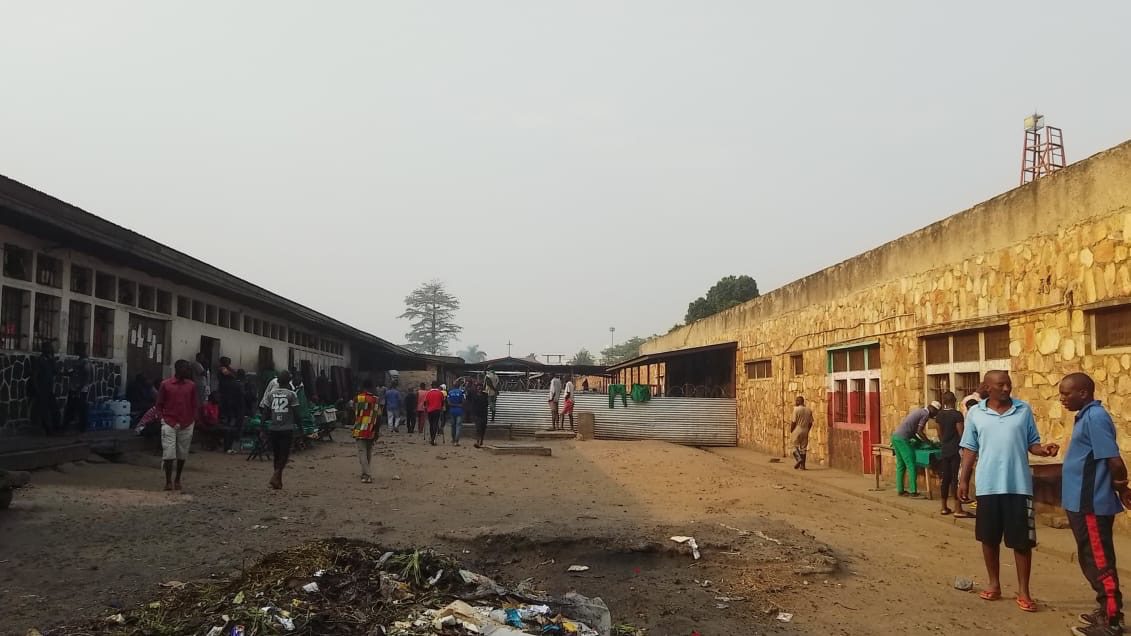
Burundi Prisons: Report Details Overcrowding, Prolonged Detention
ACAT-Burundi, in a report released on November 4, 2026, highlighted severe overcrowding, food shortages, and prolonged detention in Burundian prisons, with an occupancy rate of nearly 292% across the country as of September 2026. The report, covering the period from July to September 2026, details a critical humanitarian and legal crisis within the Burundian correctional system. Specifically, it denounces widespread prison overcrowding, citing statistics from the Iteka League which indicate 12,521 inmates held against a capacity of only 4,294. This alarming figure translates to nearly three times the intended capacity, with specific facilities like Mpimba Central Prison in Bujumbura holding 4,226 inmates in a space designed for 800, and Muramvya prison housing 771 inmates in a facility built for 100. Beyond overcrowding, the report also points to severe food shortages, with reserves depleting rapidly due to the high inmate population, and notes a complete stockout of essential food items like beans in some facilities. Furthermore, ACAT-Burundi raises concerns about deaths related to health problems and instances of prolonged detention despite explicit court orders for release, underscoring a systemic failure to uphold basic human rights and legal processes.
This situation carries profound legal significance for practitioners, businesses, and the public, as it directly implicates Burundi's adherence to both its domestic constitutional guarantees and international human rights obligations. The extreme overcrowding and lack of care raise serious questions about the state's compliance with fundamental rights, including the right to dignity, health, and freedom from cruel, inhuman, or degrading treatment, as enshrined in the Burundian Constitution and international instruments such as the International Covenant on Civil and Political Rights (ICCPR) and the African Charter on Human and Peoples' Rights, both ratified by Burundi. The reported instances of prolonged detention despite court-ordered releases represent a direct challenge to the rule of law and the independence and authority of the judiciary, undermining public trust in the justice system. For businesses, particularly those with international ties, such systemic human rights violations in the operating environment can pose significant reputational risks and compliance challenges under various international corporate social responsibility frameworks.
The key parties involved in this critical situation include the reporting organizations, ACAT-Burundi and the Iteka League, whose diligent monitoring brings these issues to light. Crucially, the Burundian government and its various ministries responsible for justice, internal affairs, and prison administration are the primary duty-bearers, tasked with ensuring the humane treatment of detainees and upholding legal processes. The judiciary also plays a vital role, as its orders for release are reportedly being disregarded, highlighting a potential breakdown in the enforcement mechanism. For legal practitioners, this report serves as an urgent call to action. Attorneys representing clients in Burundi must be acutely aware of these dire prison conditions, which can significantly impact their clients' physical and mental well-being, as well as their legal strategy. It is imperative to prioritize advocacy for bail, alternative sentencing, and expedited judicial processes to mitigate the risks associated with prolonged detention in such environments. Furthermore, lawyers should meticulously monitor the enforcement of court orders, particularly those pertaining to release, and be prepared to challenge any non-compliance through appropriate legal channels. Businesses operating in or considering investment in Burundi should conduct thorough human rights due diligence, understanding that the prevailing conditions could expose them to ethical and legal scrutiny, and should monitor government responses and any potential reforms closely. The outcome of any specific legal action taken in response to this report is not yet reported.
How does this affect you?
Get an AI analysis of this article grounded in your jurisdictions, practice areas, and any policy documents you've uploaded to Wansom.
Wansom is AI and can make mistakes.