
Burundi Gitega: High Alcohol Drinks Legality Sees Enforcement Reversal
Summary
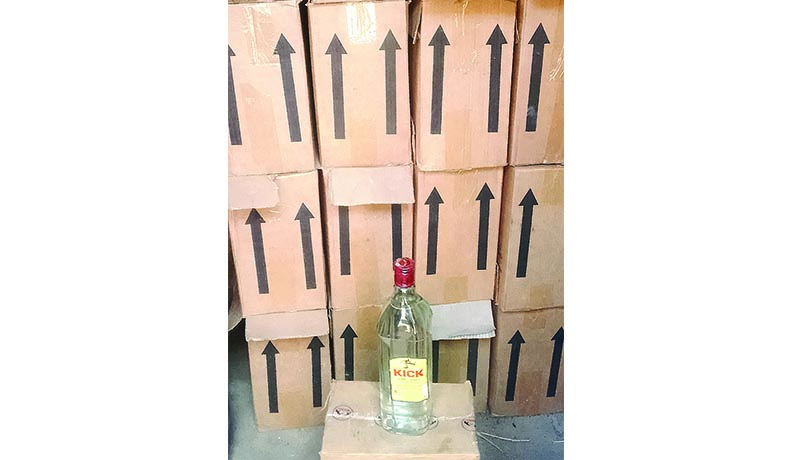
- High-alcohol content drinks, including brands like Kick and Boss and wines over 30% ABV, are now openly sold in Gitega, Burundi.
- These same products were recently hunted down, confiscated, and labeled as hazardous by the Burundi Bureau of Normalisation (BBN), local administration, and police.
- The re-emergence of these strong liquors signals an apparent reversal in enforcement or regulatory policy.
- The situation creates ambiguity for the beverage industry regarding the legal status of high-alcohol drinks and potential enforcement risks in Gitega.
- Small vendors burdened by debt and consumers facing high living costs are questioning the implications of this development.
Shifting Enforcement in Gitega
The re-emergence on shelves, therefore, represents a significant and unexplained change in the operational approach of regulatory bodies in the region.
A notable shift in the enforcement landscape surrounding high-alcohol content beverages has emerged in Gitega, Burundi. Products such as Kick and Boss, alongside wines exceeding 30% alcohol by volume, which were previously targeted by authorities, are now openly available for sale in local stalls. This apparent reversal of policy or enforcement priorities has created a climate of uncertainty for both vendors and consumers.
Just recently, these very same strong liquors were actively pursued, confiscated, and officially designated as hazardous substances by a joint effort involving the Burundi Bureau of Normalisation (BBN), local administration, and the police. The concerted crackdown had effectively removed these items from public display and sale, signaling a clear stance against their distribution. Their re-emergence on shelves, therefore, represents a significant and unexplained change in the operational approach of regulatory bodies in the region.
Regulatory Ambiguity and Market Impact
The initial actions by the BBN, administration, and police implied a regulatory framework or health directive that deemed these high-alcohol drinks, including specific brands like Kick and Boss and wines over 30% alcohol content, as problematic. The BBN's involvement typically signifies adherence to national standards or public health guidelines, suggesting that the previous confiscations were rooted in some form of established alcohol regulation or safety concern. The current situation, where these products are once again freely displayed, introduces considerable ambiguity regarding the prevailing legal status and enforcement posture concerning strong liquor in Burundi, particularly within Gitega.
This fluctuating regulatory environment poses significant questions for businesses operating within the beverage industry. Without clear communication regarding any changes to Burundi alcohol regulation or established Burundi alcohol content limits, market participants face unpredictable enforcement risks. The initial crackdown on Gitega strong liquor enforcement indicated a firm stance, while the current permissiveness suggests either a policy shift or a relaxation of enforcement, leaving stakeholders without definitive guidance on compliance.
Economic Pressures and Consumer Concerns
The return of these previously banned high-alcohol drinks has sparked considerable debate and concern among various segments of the Gitega population. Small-scale vendors, many of whom are already struggling under the weight of accumulated debts, find themselves in a precarious position. Their livelihoods are directly impacted by the inconsistent application of regulations, as they navigate the risks and opportunities presented by the availability of these products.
Similarly, consumers, who are currently grappling with the high cost of living in Burundi, are also questioning the implications of this development. The accessibility of these strong liquors, despite their prior classification as 'poisons,' raises complex issues related to public health, economic affordability, and the reliability of regulatory oversight. The situation underscores the broader economic challenges faced by ordinary citizens and small businesses in the region, where the legality and availability of certain products can have immediate and profound effects on daily life.
Practical Implications
Lawyers should advise clients in the beverage industry on the ambiguous legal status and enforcement risks associated with high-alcohol content drinks in Burundi, particularly in Gitega, given the apparent reversal of previous confiscations by authorities.
Source
Source: Original reporting via Iwacu
How does this affect you?
Get an AI analysis of this article grounded in your jurisdictions, practice areas, and any policy documents you've uploaded to Wansom.
Wansom is AI and can make mistakes.