
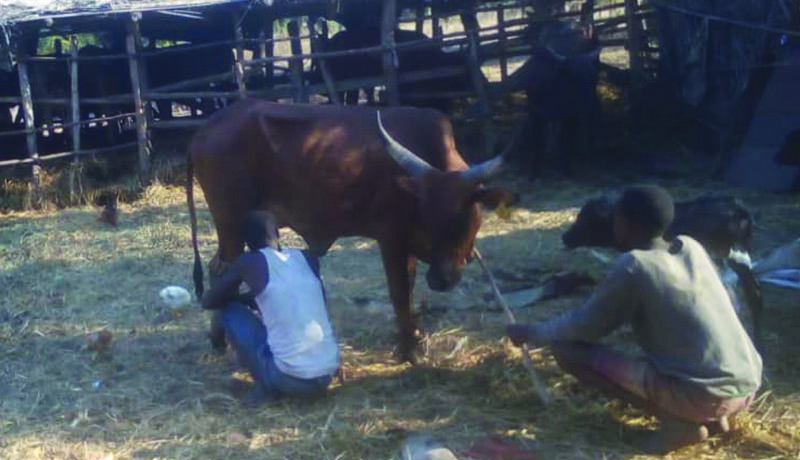
Burundi Administrator: Cattle in Transhumance Must Leave Within 48 Hours
Summary
- Burundi has enforced a transhumance ban since 2018, but some farmers continue to engage in this practice.
- Hundreds of cattle in transhumance have been present on certain hills in the commune of Rumonge since July.
- Administrator Minani has instructed law enforcement and local authorities to drive out all cattle in transhumance from Rumonge by August 14 morning.
- Each cattle in transhumance will have to pay a fine and tax as stipulated by law.
- The enforcement of the transhumance ban may trigger a review of existing livestock operations in Burundi.
What Happened
Administrator Minani has instructed law enforcement and local authorities to work together to drive out all cattle in transhumance from Rumonge by August 14 morning.
In a meeting held on August 11, 2026, by Administrator Augustin Minani, it was decided that cattle in transhumance must leave the locality within 48 hours. This decision comes as the transhumance ban has been in effect in Burundi since 2018, yet some farmers continue to engage in this practice, leading to conflicts between farmers and herders in the commune of Rumonge. According to Administrator Minani, hundreds of cattle in transhumance have been present on certain hills in the commune of Rumonge since July.
Innocent Nijimbere, the chief of the Kigwena zone, noted that many cattle in transhumance are already in his area and that farmers and herders are at odds due to these cattle ravaging crop fields. Administrator Minani clarified in a statement released on the same day that each of these cattle will have to pay a fine and tax as stipulated by law.
Legal Context
The transhumance ban was introduced through a law passed on October 4, 2018, which stipulates that livestock must be raised in permanent stabling, with the prohibition of cattle roaming free. The law aims to balance agriculture and livestock interests, as farmers need animal products for good harvests and balanced nutrition, while herders rely on crops produced by farmers for their own sustenance. Despite this legal framework, some local authorities have been accused of accepting bribes in exchange for turning a blind eye to the transhumance practice.
Administrator Minani has instructed law enforcement and local administrative authorities to work together to drive out all cattle in transhumance from Rumonge by August 14 morning. This move is welcomed by farmers, who request that it be followed up with an independent investigation to identify any cattle involved in transhumance.
Why It Matters
The enforcement of the transhumance ban has significant implications for livestock operations in Burundi, particularly those involving transhumance. Lawyers and compliance officers should note that this development may trigger a review of existing livestock operations to ensure they comply with the law and avoid potential fines and penalties. The balance between agriculture and livestock is crucial for the country's food security and economic growth.
The situation highlights the need for effective enforcement of laws and regulations, as well as cooperation between farmers, herders, and local authorities to achieve a harmonious coexistence.
Practical Implications
Lawyers and compliance officers should note that this development may trigger a review of existing livestock operations in Burundi, particularly those involving transhumance, to ensure compliance with the law and avoid potential fines and penalties.
Source
How does this affect you?
Get an AI analysis of this article grounded in your jurisdictions, practice areas, and any policy documents you've uploaded to Wansom.
Wansom is AI and can make mistakes.