
Burundi Enfants En Situation De Rue: Persistance Après 4 Ans Du Programme Zéro
Summary
- Four years after its launch, a government program to eliminate street children in Burundi has not been effective.
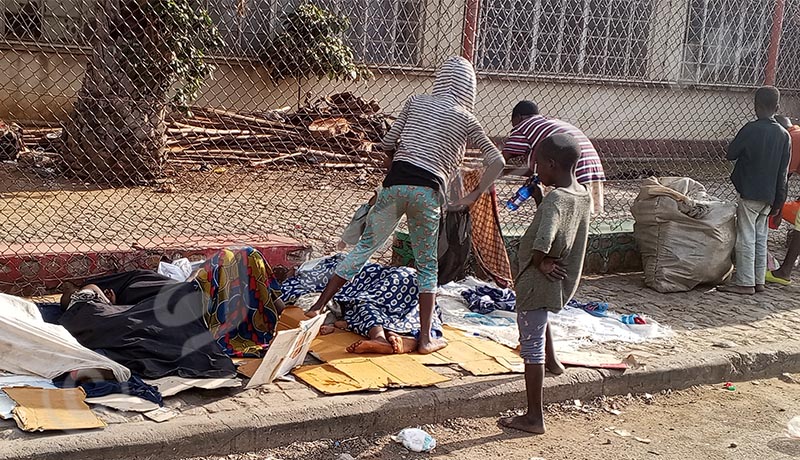
- Thousands of children continue to live on the streets and beg daily in Bujumbura and other cities.
- Challenges to reintegration include household instability, inadequate care, and children returning to street life.
- The persistence of street children highlights ongoing human rights concerns and gaps in child protection in Burundi.
The Enduring Challenge of Street Children
The continued exposure of thousands of children to the dangers and hardships of street life represents a failure to uphold fundamental human rights, including the rights to protection, shelter, and development.
The issue of children living on the streets in Burundi continues to be a significant concern, with thousands of young individuals still spending their nights outdoors and their days engaged in begging activities. This widespread phenomenon is particularly visible in the capital, Bujumbura, but also affects other urban centers across the nation. The persistent presence of these vulnerable children highlights a critical ongoing social challenge, underscoring the reality of Burundi enfants en situation de rue persistance despite governmental initiatives.
This enduring situation persists even four years after the government introduced a comprehensive program aimed at eradicating the problem. The initiative, titled "zéro enfants en situation de rue, zéro sans abris et zéro mendiants," was designed to address the plight of these children and other homeless individuals. However, the continued visibility of Bujumbura enfants des rues and those in other cities indicates that the program has not achieved its ambitious objectives, leaving a substantial population of children without stable shelter or adequate support.
Policy and Implementation Gaps
The "Burundi programme zéro enfants de rue" was launched with the explicit goal of eliminating the presence of children on the streets, along with homelessness and begging. Despite this clear policy directive and the passage of four years since its inception, the effectiveness of this governmental approach has been severely limited. The continued plight of thousands of children suggests fundamental gaps in the implementation and efficacy of the broader politique sociale Burundi enfants.
Several factors contribute to the ongoing failure of reintegration efforts for these children. Primary among these are the precarious living conditions faced by many households, which often push children onto the streets in the first place or prevent their successful return to family environments. Furthermore, the availability and scope of care and support services for these vulnerable young people remain insufficient, leading to a cycle where children, even if temporarily removed from the streets, frequently find themselves returning to their former circumstances due to a lack of sustainable alternatives. This highlights significant challenges in the overall Burundi protection de l'enfance framework.
Implications for Child Rights
The persistent presence of street children, despite a dedicated government program, raises serious questions regarding the fulfillment of droits de l'enfant Burundi. The continued exposure of thousands of children to the dangers and hardships of street life represents a failure to uphold fundamental human rights, including the rights to protection, shelter, and development. This situation indicates persistent human rights challenges and potential gaps in child protection enforcement within the country.
For legal professionals advising non-governmental organizations, international bodies, or businesses involved in corporate social responsibility initiatives in Burundi, this ongoing issue is particularly salient. The inability of existing programs to effectively address the plight of street children signals a critical area of concern for human rights advocacy, due diligence processes, and risk assessments related to child welfare. Understanding the deep-seated nature of this problem is crucial for informing strategies that genuinely aim to improve the lives of vulnerable children in Burundi.
Practical Implications
Lawyers advising NGOs, international organizations, or businesses with corporate social responsibility initiatives in Burundi should note the continued failure of government programs to address the issue of street children, indicating persistent human rights challenges and potential gaps in child protection enforcement. This may inform advocacy efforts, due diligence, or risk assessments related to child welfare and human rights in the country.
Source
How does this affect you?
Get an AI analysis of this article grounded in your jurisdictions, practice areas, and any policy documents you've uploaded to Wansom.
Finish Reading the Full Story and the Expert Analysis.
Get the latest legal & regulatory intelligence in Burundi
Wansom is AI and can make mistakes.