
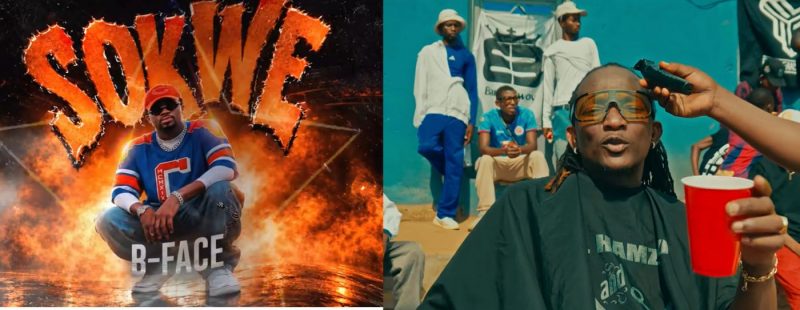
Burundi CNC: Bans B-Face Big Fizzo Songs Over Obscenity
Summary
- Burundi's Conseil National Communication (CNC) banned two songs, "Sokwe" by B-Face and "Niruze" by Big Fizzo, from all media platforms.
- The regulatory body cited malicious, obscene, injurious, and defamatory content, deeming it contrary to Burundian good morals.
- Artists, including Big Fizzo, denied the accusations, while the Minister of Communication and Media expressed confusion over the decision.
- This action follows previous instances of content interdiction by the CNC, including a ban on approximately 30 songs in April 2023.
- The decision underscores ongoing regulatory scrutiny over artistic expression in Burundi, particularly concerning broad standards of morality and defamation.
Regulatory Action and Contentious Ban
This decision signals heightened regulatory scrutiny over content in Burundi, particularly regarding defamation, obscenity, and 'good morals.'
Burundi's Conseil National Communication (CNC), the nation's media regulatory body, has issued an interdiction against two popular songs, "Sokwe" by artist B-Face and "Niruze" by Big Fizzo. The decision, which constitutes a significant instance of Burundi content regulation, prohibits the diffusion of these tracks across all traditional and online media platforms operating within Burundi. The CNC justified its action by citing the presence of "malicious, obscene, injurious, and defamatory remarks" within the songs, asserting that such content runs contrary to the established "good morals of Burundi."
The regulatory body explicitly warned that any media outlet failing to comply with this directive would face "consequent measures" in accordance with the law. This ban stems from an ongoing lyrical rivalry between the two artists. The dispute intensified after Big Fizzo, reportedly labeled an "aging singer," released "Niruze"—a rap track intended to showcase his enduring talent and challenge younger artists. This sparked a verbal "battle" characterized by sharp, often provocative, lyrical exchanges, which the CNC ultimately deemed unacceptable under its mandate.
Artist and Official Reactions
The CNC's decision to ban B-Face Big Fizzo songs has ignited considerable public debate and drawn reactions from various quarters, including government officials and the artists themselves. Désiré Mugani, known as Big Fizzo and founder of the BantuBwoy label, vehemently defended his work, denying any obscenity or excessively inappropriate language. He emphasized that these songs represent a crucial part of the artists' livelihood, underscoring the economic impact of such interdictions.
Adding to the controversy, Evelyne Butoyi, Burundi's Minister of Communication and Media, publicly expressed her confusion regarding the CNC's ruling after personally reviewing both tracks. Rapper Mkombozi, who has transitioned into politics, also called for the ban to be lifted, framing the lyrical content as a form of artistic expression rather than an act of hatred. The widespread attention generated by the ban itself has mirrored the buzz initially created by the songs, highlighting the significant impact of the Conseil National Communication Burundi's regulatory powers.
Historical Precedent and Broader Implications
This recent interdiction of "Sokwe" and "Niruze" is not an isolated incident but rather part of a recurring pattern of media censorship and content regulation in Burundi. The Conseil National Communication Burundi has a history of intervening in artistic expression. In April 2023, the regulatory body issued warnings to media outlets and artists, subsequently banning approximately 30 songs deemed detrimental to "good morals and Burundian culture," a decision that reportedly drew criticism from some diplomatic circles.
Further historical examples illustrate the long-standing nature of Burundi media censorship law. In July 2014, the song "Intama" by the group Lion Story, which was associated with a campaign for the release of human rights defender Pierre-Claver Mbonimpa, was also prohibited. Even earlier, under the regime of Colonel Jean-Baptiste Bagaza, David Nikiza's song "Umugore w’ubu ni temba ntereke" holds the distinction of being one of the earliest recorded musical bans. Incidents like the suspension of RTNB presenter Guy Karema for playing a song with the phrase "Sex on the beach," leading to a reprimand from then-Minister Alphonse-Marie Kadege, further underscore the consistent scrutiny over content deemed inappropriate by authorities.
The Regulatory Framework and Future Outlook
The CNC's mandate allows it to enforce broad standards related to "good morals," defamation, and obscenity, significantly impacting Burundi freedom of expression for artists and media. The decision to ban the B-Face Big Fizzo songs highlights the ongoing and often subjective interpretation of these standards by the regulatory body. The explicit warning of "consequent measures" for non-compliance underscores the serious implications for media organizations and online platforms operating within the country.
This decision signals heightened regulatory scrutiny over content in Burundi, particularly regarding defamation, obscenity, and 'good morals.' The broad scope of the CNC's justifications for the interdiction suggests that artists and media producers must navigate a complex landscape of content compliance. Lawyers advising media companies, artists, or online platforms must ensure content adherence to these wide-ranging standards to mitigate risks of interdiction and potential legal penalties for non-adherence, thereby shaping the future of artistic and journalistic output in Burundi.
Practical Implications
This CNC decision signals heightened regulatory scrutiny over content in Burundi, particularly regarding defamation, obscenity, and 'good morals.' Lawyers advising media companies, artists, or online platforms must ensure content compliance with these broad standards to mitigate risks of interdiction and legal penalties for non-adherence.
Source
How does this affect you?
Get an AI analysis of this article grounded in your jurisdictions, practice areas, and any policy documents you've uploaded to Wansom.
Finish Reading the Full Story and the Expert Analysis.
Get the latest legal & regulatory intelligence in Burundi
Wansom is AI and can make mistakes.