
Burundi: Civil Society Raises Anti-Corruption Strategy Committee Concerns
Summary
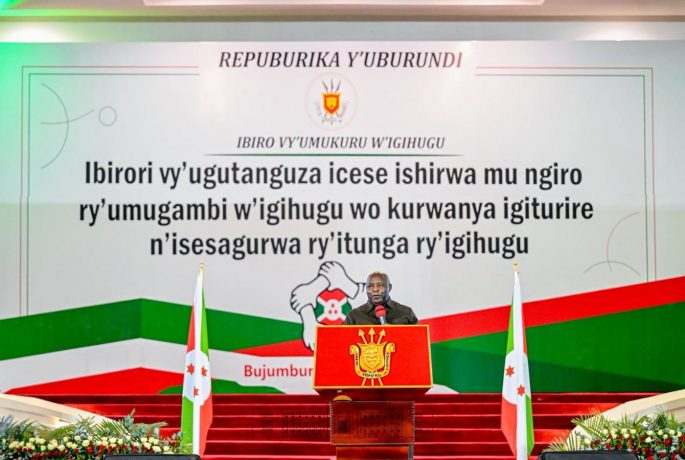
- President Évariste Ndayishimiye officially launched Burundi's National Strategy against Corruption and Economic Misappropriation on October 9, 2026.
- A national committee has been established to lead the country's anti-corruption efforts.
- Civil society organizations in Burundi have raised significant concerns regarding the composition of this new committee.
- Their primary objection is that the committee cannot effectively implement a program while simultaneously evaluating its own performance.
- These concerns could undermine the strategy's credibility and impact future anti-corruption compliance in Burundi.
Launch of Burundi's Anti-Corruption Strategy
The fundamental objection from civil society centers on the principle that an entity cannot effectively execute a program while simultaneously evaluating its own performance.
On October 9, 2026, President Évariste Ndayishimiye officially inaugurated the implementation phase of Burundi's comprehensive National Strategy against Corruption and Economic Misappropriation. This significant governmental initiative aims to tackle pervasive issues of illicit financial activities and graft across the nation. The launch signals a renewed commitment from the highest levels of government to foster transparency and accountability within public and private sectors.
Central to the execution of this ambitious plan, known as the Stratégie nationale de lutte contre la corruption Burundi, is the establishment of a dedicated national committee. This body has been specifically tasked with spearheading the fight against corruption, overseeing the various components of the strategy, and ensuring its objectives are met. The formation of such a committee is a standard practice in national anti-corruption frameworks, designed to provide focused leadership and coordination for complex, multi-faceted campaigns. The Évariste Ndayishimiye anti-corruption drive is thus formalized through this institutional structure.
Civil Society Raises Independence Concerns
Despite the high-profile launch and the stated intentions, the composition of this newly formed national committee has immediately drawn critical scrutiny from civil society organizations within Burundi. These groups have voiced profound Burundi anti-corruption strategy committee concerns, specifically questioning the body's capacity for impartial oversight given its structure. The core of their apprehension revolves around the potential for a conflict of interest that could undermine the entire anti-corruption effort, impacting effective Société civile Burundi corruption oversight.
The fundamental objection from civil society centers on the principle that an entity cannot effectively execute a program while simultaneously evaluating its own performance. This perspective highlights a critical flaw in the committee's design, suggesting that those responsible for implementing the Stratégie nationale de lutte contre la corruption Burundi may not be best placed to objectively assess its success or failures. Such a dual role, according to civil society, inherently compromises the Burundi corruption committee independence, raising doubts about the credibility of any future assessments or outcomes.
Implications for Oversight and Compliance
The concerns articulated by civil society regarding the committee's independence carry significant implications for the overall effectiveness and public perception of Burundi's anti-corruption strategy. If the body tasked with oversight is perceived as lacking impartiality, it could erode public trust in the government's commitment to genuinely combat corruption. This erosion of trust might, in turn, hinder cooperation from various stakeholders, including the public and international partners, which is crucial for any successful anti-corruption campaign.
For legal professionals and compliance officers operating within Burundi, these civil society concerns about Burundi corruption committee independence are particularly salient. The effectiveness of the Stratégie nationale de lutte contre la corruption Burundi and the enforcement actions stemming from it will depend heavily on the perceived legitimacy of the oversight mechanism. A committee whose independence is questioned could lead to future challenges regarding the validity of its findings or recommendations, potentially impacting compliance frameworks and the regulatory landscape for businesses. Monitoring how these Burundi anti-corruption strategy committee concerns are addressed will be vital for understanding the future trajectory of Burundi compliance anti-corruption efforts and for advising on robust compliance strategies.
Practical Implications
Lawyers and compliance officers in Burundi should monitor the practical implementation and enforcement actions stemming from the new national anti-corruption strategy, as civil society concerns about the oversight committee's independence may impact its effectiveness and credibility, potentially leading to future challenges or reforms in compliance frameworks.
Source
How does this affect you?
Get an AI analysis of this article grounded in your jurisdictions, practice areas, and any policy documents you've uploaded to Wansom.
Finish Reading the Full Story and the Expert Analysis.
Get the latest legal & regulatory intelligence in Burundi
Wansom is AI and can make mistakes.