
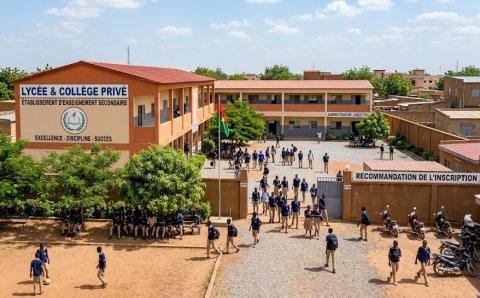
Burkina Faso: State Debt Private Schools Issue Demands Resolution
Summary
- Students in Burkina Faso are preparing to return to classes within the next month.
- Many parents face difficulties finding suitable schools, often turning to private institutions due to the scarcity of public options.
- Discussions are underway regarding outstanding state debt owed to private educational establishments.
- This financial situation is prompting calls for significant reform within Burkina Faso's education sector.
- Addressing state obligations to private schools is crucial for the stability and quality of education across the nation.
The Educational Imperative in Burkina Faso
The acknowledgement of these financial commitments comes amidst a broader push for reform within the nation's education sector.
As the new academic year approaches, students across Burkina Faso are preparing for their return to classrooms within the next month. This period marks a significant transition, with some children resuming their studies after vacation and others embarking on their educational journey for the very first time. However, for many parents, the primary concern remains the formidable challenge of identifying and securing enrollment in an educational institution that meets fundamental quality standards.
This parental struggle is exacerbated by the prevailing educational landscape in the country. Public educational institutions are not widely distributed, making access to state-funded schooling a significant hurdle for numerous families. Consequently, a substantial portion of the population finds itself compelled to turn towards private schools as the most viable, and often only, option for their children's education. This reliance on private institutions underscores their critical role in the nation's educational infrastructure.
State Obligations and the Call for Reform
Within this context of widespread reliance on private education, a crucial discussion has emerged concerning the financial relationship between the state and these private institutions. Reports indicate the existence of outstanding Burkina Faso state debt to private schools, a situation that highlights the significant financial obligations the government holds towards these vital educational providers. This issue is not merely a matter of accounting; it speaks to the broader framework of Burkina Faso government debt education and the sustainability of the private school sector.
The acknowledgement of these financial commitments comes amidst a broader push for reform within the nation's education sector. The ongoing dialogue suggests that addressing Burkina Faso private school funding and clarifying Burkina Faso state obligations private institutions are central to any meaningful educational overhaul. Such reforms could encompass new payment schedules for existing debts, revised funding mechanisms for future partnerships, or updated regulatory frameworks governing the financial interactions between the state and private educational bodies.
Broader Implications for Burkina Faso's Education Sector
The resolution of state debt to private educational institutions and the subsequent education sector reform hold profound implications for the future of learning in Burkina Faso. The financial stability of private schools, which cater to a large segment of the student population due to the scarcity of public options, is directly tied to the state's fulfillment of its financial commitments. Unresolved debt can hinder these institutions' ability to invest in infrastructure, retain qualified staff, and maintain educational quality, thereby impacting thousands of students.
Furthermore, any comprehensive Burkina Faso education sector reform must consider the intricate financial relationships between public and private entities. Establishing clear, equitable, and sustainable funding models is essential for ensuring consistent educational access and quality across the country. This ongoing discussion represents a critical juncture for policymakers to address long-standing financial challenges and lay the groundwork for a more robust and inclusive educational system that serves all children in Burkina Faso.
Practical Implications
Lawyers representing private educational institutions in Burkina Faso should monitor this reform for potential changes in state funding mechanisms, debt repayment schedules, or new regulatory frameworks impacting financial stability and operational compliance. This development could signal opportunities or risks related to state-private sector financial relationships in education.
Source
How does this affect you?
Get an AI analysis of this article grounded in your jurisdictions, practice areas, and any policy documents you've uploaded to Wansom.
Wansom is AI and can make mistakes.