
Burkina Faso: Médecine Traditionnelle Vers Preuve Scientifique en 2026
Summary
- Burkina Faso will host the 14th National Week of Traditional and Alternative Medicine (SNMTA) and the 24th African Traditional Medicine Day (JAMT) from August 31 to September 5, 2026, in Manga, Nazinon region.
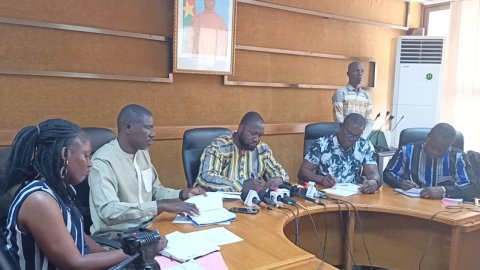
- The organizing committee announced these events at a press conference held on August 24, 2026.
- Traditional medicine is a vital part of health pathways for many populations in Burkina Faso, relying on established knowledge and practices.
- The nation aims to increasingly base its traditional medicine practices on scientific proof.
Upcoming Events Highlight Focus on Scientific Validation
A central theme emerging from the discourse surrounding these upcoming events is Burkina Faso's aspiration to increasingly ground its traditional medicine practices in scientific proof.
Burkina Faso is preparing to host significant events focused on traditional and alternative medicine, signaling a potential shift towards greater scientific scrutiny in the sector. The 14th National Week of Traditional and Alternative Medicine (SNMTA) and the 24th African Traditional Medicine Day (JAMT) are scheduled to take place from August 31 to September 5, 2026. These key gatherings will convene in Manga, a town situated within the Nazinon region, bringing together stakeholders to discuss the future trajectory of these healthcare practices.
Preparations for these important events are already underway. The organizing committee officially announced the upcoming activities during a press conference held on August 24, 2026. This early announcement underscores the importance placed on these discussions, which are expected to shape policy and practice regarding traditional and alternative medicine across the nation and potentially the wider African continent. The timing of the announcement, well in advance of the events, allows ample opportunity for participants and the public to engage with the themes that will be explored.
Traditional Medicine's Enduring Role
In Burkina Faso, traditional medicine holds a deeply ingrained position within the healthcare landscape, serving as a primary health pathway for a significant portion of the population. Its widespread acceptance and utilization are rooted in centuries of accumulated knowledge and established practices that have been passed down through generations. This reliance on traditional healing methods is not merely a cultural preference but often a practical necessity, especially in areas where access to conventional medical facilities may be limited.
These traditional health practices encompass a broad spectrum of approaches, all of which are built upon indigenous understanding and local resources. The upcoming national and African-level events provide a crucial platform to acknowledge this enduring legacy while simultaneously exploring avenues for its evolution. The discussions are anticipated to bridge the gap between historical practices and contemporary demands for evidence-based healthcare, ensuring that the benefits of traditional medicine can be more widely recognized and integrated.
A Push for Evidence-Based Approaches
A central theme emerging from the discourse surrounding these upcoming events is Burkina Faso's aspiration to increasingly ground its traditional medicine practices in scientific proof. This ambition reflects a broader global trend towards validating traditional remedies and therapies through rigorous research and empirical data. The aim is to enhance the credibility and safety of these practices, thereby fostering greater trust among both practitioners and the public.
This focus on scientific validation for traditional medicine in Burkina Faso represents a significant step towards modernizing and integrating these healthcare systems. By seeking to substantiate the efficacy and safety of traditional treatments through scientific methodologies, the nation aims to develop a more robust and reliable framework for alternative healthcare. This initiative could lead to a more structured approach to the regulation and acceptance of traditional medicine, ensuring that it complements, rather than conflicts with, conventional medical practices.
Shaping the Future of Healthcare
The emphasis on scientific evidence for traditional and alternative medicine practices in Burkina Faso is poised to have far-reaching implications for the country's healthcare future. The upcoming SNMTA and JAMT events will serve as critical forums for dialogue, potentially laying the groundwork for new policies and regulatory frameworks. Such developments could standardize practices, improve product quality, and ensure the safety of traditional remedies, ultimately benefiting the many populations who rely on them.
This drive towards a more scientifically validated traditional medicine alternative in Burkina Faso suggests a progressive outlook on healthcare integration. It highlights a commitment to leveraging both ancestral knowledge and modern scientific rigor to provide comprehensive health solutions. The outcomes of these discussions could significantly influence the legal and operational cadre for traditional medicine, potentially introducing new requirements for practitioners and product developers in the coming years.
Practical Implications
This announcement signals a potential shift towards stricter scientific validation and regulation of traditional and alternative medicine practices in Burkina Faso. Lawyers advising clients in the health sector, particularly those involved in traditional medicine, should monitor future legislative or policy developments that may introduce new compliance requirements for product efficacy and safety.
Source
Source: Original reporting via {source}
How does this affect you?
Get an AI analysis of this article grounded in your jurisdictions, practice areas, and any policy documents you've uploaded to Wansom.
Wansom is AI and can make mistakes.