
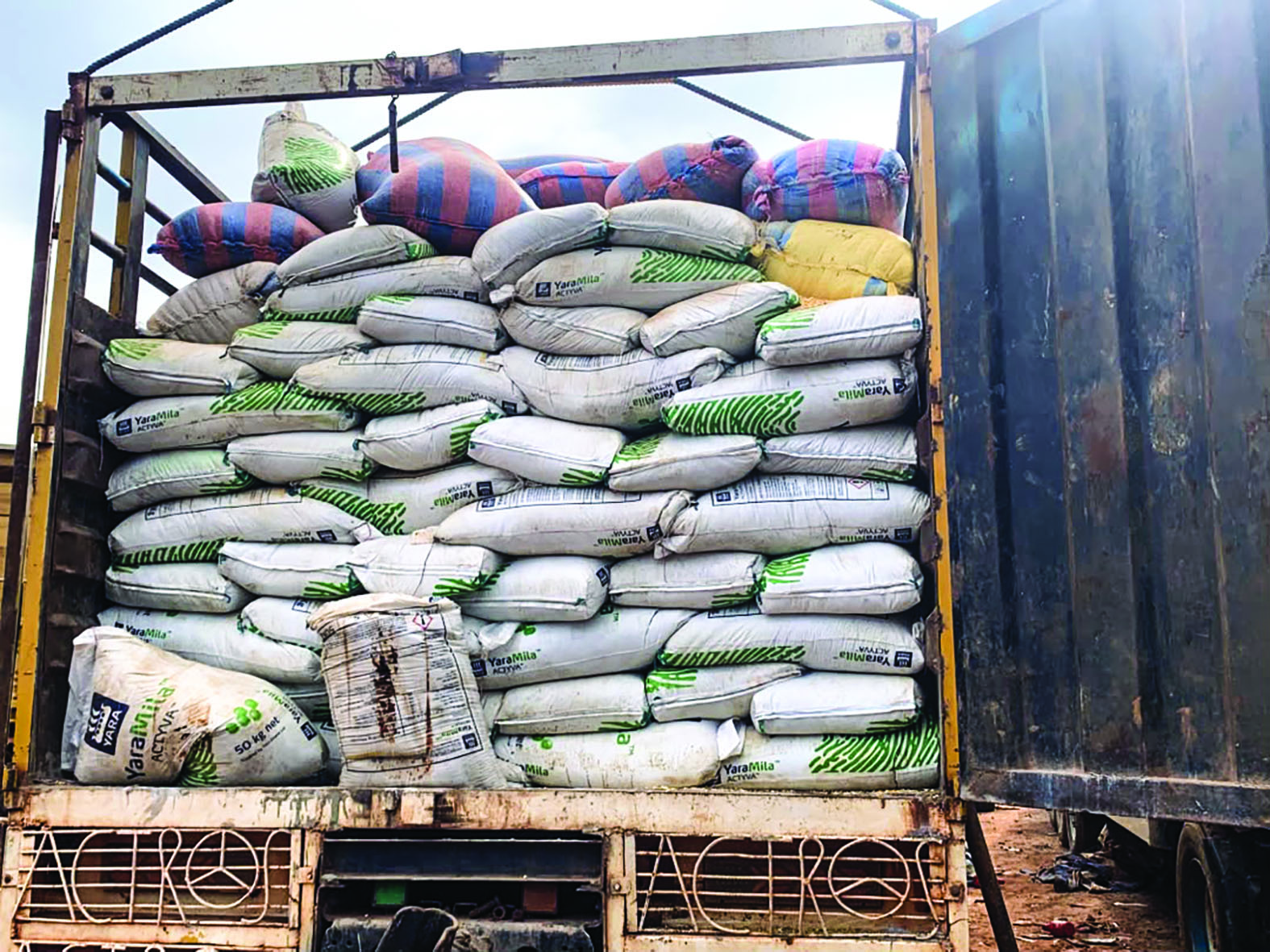
Burkina Faso: Anti-Fraud Unit Seizes 144 Million CFA Francs in Goods
On Monday, August 24, 2026, in Ouagadougou, Burkina Faso, the National Anti-Fraud Coordination (CNLF) publicly showcased fraudulent goods valued at over 144 million F CFA that had been seized by its services. This presentation to the media underscores the CNLF's ongoing and active efforts in the fight against illicit trafficking within the country, highlighting a significant enforcement action against various forms of fraud.
This event carries substantial legal significance for businesses, consumers, and legal practitioners in Burkina Faso. For businesses, it signals heightened regulatory scrutiny and enforcement risks related to product authenticity, intellectual property rights, and compliance with customs and trade regulations. Companies involved in import, export, manufacturing, or retail must ensure their supply chains are robust and free from illicit goods to avoid severe penalties, reputational damage, and financial losses from seizures. For consumers, such actions by the CNLF aim to protect them from substandard, counterfeit, or dangerous products, reinforcing consumer protection laws. For legal professionals, it indicates a potential increase in cases involving customs disputes, intellectual property infringement, and criminal prosecutions related to fraud and illicit trade.
The legal context for the CNLF's actions is rooted in Burkina Faso's comprehensive legal framework designed to combat fraud and illicit trafficking. This includes the national Customs Code, which governs import and export procedures and penalties for violations; intellectual property laws, often aligned with regional agreements like those of the African Intellectual Property Organization (OAPI), which protect trademarks, copyrights, and patents; and various consumer protection statutes. Additionally, provisions within the penal code address criminal offenses related to fraud, counterfeiting, and illicit trade. The CNLF operates under a specific mandate to coordinate and execute anti-fraud measures, collaborating with various government agencies. Disputes arising from seizures or alleged fraud can involve administrative appeals against customs decisions or criminal proceedings in the ordinary courts.
The key parties involved in this specific event are the National Anti-Fraud Coordination (CNLF) as the enforcing authority, and implicitly, the individuals or entities responsible for the illicit trafficking and fraud of the seized goods. The media, represented by Sidwaya Burkina Faso, played a role in disseminating information about the CNLF's activities. The ultimate beneficiaries of these enforcement actions are the legitimate businesses operating within the legal framework and the general public, who are protected from harmful or fraudulent products.
Practitioners should advise clients, particularly those in trade, manufacturing, and distribution, to conduct rigorous due diligence on their suppliers and products to ensure compliance with all relevant Burkinabe laws and international trade agreements. Implementing robust internal compliance programs, including regular audits of supply chains and product authenticity checks, is crucial. Attorneys should also stay abreast of the CNLF's enforcement priorities and any new regulations or directives issued in the fight against fraud. Businesses facing potential seizures or investigations should seek immediate legal counsel to navigate administrative appeals, negotiate with authorities, and defend against any criminal charges, emphasizing the importance of proactive legal risk management in this increasingly scrutinized environment.
How does this affect you?
Get an AI analysis of this article grounded in your jurisdictions, practice areas, and any policy documents you've uploaded to Wansom.
Wansom is AI and can make mistakes.