
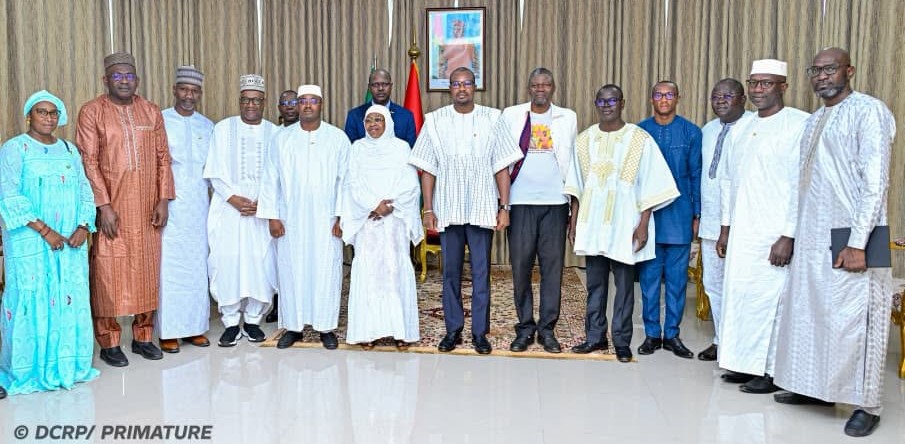
Burkina Faso, Mali, Niger Regulators Coordinate Telecom Actions
On September 25, 2026, in Burkina Faso, the Prime Minister, Rimtalba Jean Emmanuel Ouédraogo, met with a delegation of electronic communications and postal regulatory authorities from Burkina Faso, Mali, and Niger, where a cooperation convention between the three institutions was discussed. This high-level meeting signals a concerted effort among these West African nations to coordinate their regulatory actions across critical sectors, specifically focusing on roaming, frequency management, and postal services.
This coordination effort carries significant legal and commercial implications for the telecommunications and postal industries in the region. For telecommunications operators, internet service providers, and postal service providers, a harmonized regulatory environment could lead to greater predictability, reduced compliance costs, and potentially new opportunities for regional service offerings. It could facilitate the implementation of unified roaming tariffs, more efficient spectrum allocation across borders, and streamlined postal operations, ultimately benefiting consumers through improved service quality and potentially lower costs. This initiative reflects a broader regional trend towards economic integration and the harmonization of regulatory frameworks to foster competition and innovation.
The legal context for such a cooperation convention involves the national telecommunications and postal laws and regulations of each participating country. Each nation, including Burkina Faso, Mali, and Niger, possesses its own independent regulatory authority (e.g., ARCEP in Burkina Faso, AMRTP in Mali, ARCEP in Niger) empowered by specific statutes to oversee licensing, spectrum management, tariff setting, and consumer protection. This convention likely aims to establish a framework for mutual recognition of regulatory decisions, joint policy development, and coordinated enforcement actions, potentially operating within the broader framework of regional economic communities like ECOWAS, which often advocates for harmonization in these sectors. Such an inter-agency agreement would typically require governmental endorsement or ratification to ensure its legal force and effect within each jurisdiction.
The key parties involved in this significant regional initiative are the electronic communications and postal regulatory authorities of Burkina Faso, Mali, and Niger, whose specific names are not detailed in the excerpt but are the primary entities driving this cooperation. The presence and involvement of the Prime Minister of Burkina Faso, Rimtalba Jean Emmanuel Ouédraogo, underscore the strategic importance and high-level governmental support for this collaborative effort. The excerpt does not report on the specific outcome of the discussions or the finalization of the convention, only that it was at the heart of the exchanges.
Practitioners advising telecommunications companies, mobile network operators, internet service providers, and postal service providers with operations or interests in Burkina Faso, Mali, or Niger should closely monitor the progress and eventual publication of this cooperation convention. Understanding its specific provisions on roaming, frequency management, and postal services will be crucial for strategic planning, ensuring regulatory compliance, and identifying potential new business opportunities or challenges. Attorneys should advise clients to prepare for possible changes in regulatory requirements, tariff structures, and spectrum allocation policies that may arise from this regional coordination, and to assess how this convention might interact with existing national laws and any broader regional directives.
How does this affect you?
Get an AI analysis of this article grounded in your jurisdictions, practice areas, and any policy documents you've uploaded to Wansom.
Finish Reading the Full Story and the Expert Analysis.
Get the latest legal & regulatory intelligence in Burkina Faso
Wansom is AI and can make mistakes.