
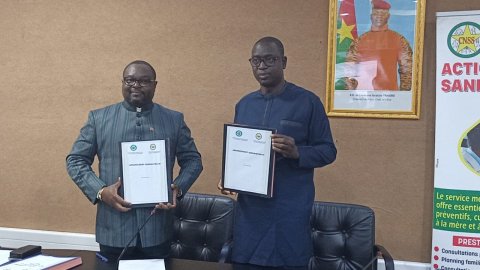
Burkina Faso, CAR Sign Social Security Conventions for Migrant Workers
The National Social Security Fund of Burkina Faso (CNSS-BF) and the National Social Security Fund of the Central African Republic (CNSS-RCA) signed two conventions on September 25, 2026, in Burkina Faso, aimed at strengthening social protection for migrant workers between the two countries. This significant bilateral agreement seeks to ensure a better continuity of social rights for Burkinabè and Central African migrant workers established in either nation, marking a crucial step in their ongoing cooperation in social protection. The conventions are designed to address the complexities faced by individuals who contribute to social security systems in multiple jurisdictions, ensuring their accrued rights are preserved and portable.
This development holds substantial legal significance for practitioners, businesses, and migrant workers alike. For migrant workers, it promises greater security and continuity of their social benefits, such as retirement, disability, and healthcare, regardless of their country of employment within the two states. For businesses operating across these borders, it implies a clearer framework for managing social security contributions and obligations for their mobile workforce, potentially simplifying compliance and reducing administrative burdens. It also underscores a growing trend towards regional and bilateral cooperation in social security, reflecting a recognition of the increasing mobility of labor within Africa and the need to protect workers' rights across national boundaries.
The legal context for these conventions primarily involves the national social security laws of Burkina Faso and the Central African Republic, which govern the collection of contributions, the provision of benefits, and eligibility criteria. These national frameworks are now being supplemented by this bilateral agreement, which likely incorporates principles of totalization (combining periods of insurance from both countries to meet eligibility requirements) and exportability (allowing benefits to be paid to beneficiaries residing in either country). Such international agreements, once ratified, become an integral part of the domestic legal order, influencing how national social security institutions operate and interact. The signing of these instruments falls under international public law, specifically bilateral treaties, which aim to harmonize or coordinate national legal provisions.
The key parties involved in this initiative are the Caisse nationale de sécurité sociale du Burkina Faso (CNSS-BF) and the Caisse nationale de sécurité sociale de la République centrafricaine (CNSS-RCA), both being the principal public institutions responsible for the administration of social security in their respective countries. While the excerpt does not detail the specific content of the conventions, their purpose is clearly to benefit Burkinabè and Central African migrant workers. The outcome of the implementation of these conventions is not yet reported, as the excerpt focuses on the signing event itself.
Practitioners advising businesses with cross-border operations or employees between Burkina Faso and the Central African Republic should closely monitor the ratification and implementation of these conventions. It is imperative to obtain and analyze the full text of these agreements once they are publicly available to understand the specific provisions regarding contribution portability, benefit eligibility, and administrative procedures. Employers should review their current social security compliance strategies for migrant workers, update internal policies, and ensure their human resources and payroll departments are aware of the new rules to ensure seamless compliance and to effectively advise their employees on their social rights. Legal professionals should also anticipate potential changes in national regulations or implementing decrees that will give effect to these conventions.
How does this affect you?
Get an AI analysis of this article grounded in your jurisdictions, practice areas, and any policy documents you've uploaded to Wansom.
Finish Reading the Full Story and the Expert Analysis.
Get the latest legal & regulatory intelligence in Burkina Faso
Wansom is AI and can make mistakes.