
Burkina Faso: Office National d’Identification Advances Diploma Biometric Security
Summary
- Burkina Faso commemorated International Identity Day on September 16, 2026, in Ouagadougou.
- The Ministry of Security, through the National Identification Office, organized the event.
- The commemoration focused on integrating basic identification and biometrics for securing academic and professional diplomas.
- This initiative aims to combat fraud and enhance the reliability of educational and professional qualifications in Burkina Faso.
A New Era for Diploma Security in Burkina Faso
The forthcoming implementation of enhanced "Burkina Faso diploma biometric security" measures carries significant implications for legal and compliance professionals operating within or engaging with Burkina Faso.
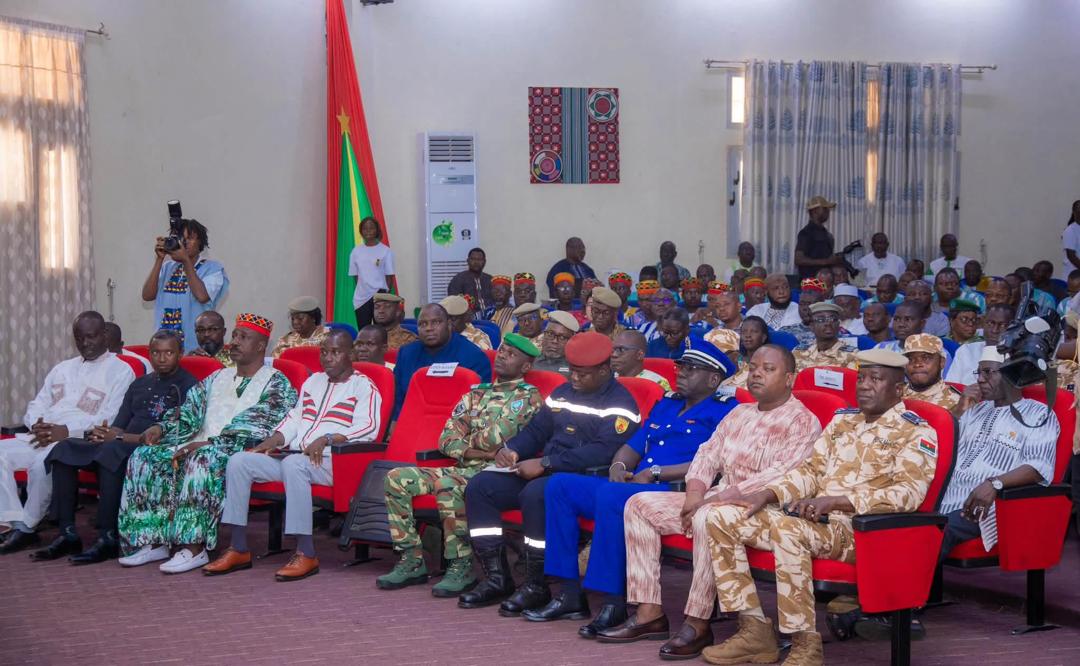
On September 16, 2026, Burkina Faso marked International Identity Day with a significant event held in its capital, Ouagadougou. The commemoration, spearheaded by the Ministry of Security through the Burkina Faso Office national d’identification, focused on a critical national objective: bolstering the integrity of academic and professional credentials. The central theme for the seventh edition of this annual observance was "Integration of basic identification and biometrics in the management and security of academic and professional diplomas."
This initiative underscores a concerted effort by the Burkinabe authorities to address challenges related to document fraud and to enhance the reliability of educational and professional qualifications. By emphasizing the integration of advanced identification methods, the government aims to ensure that diplomas are more than just pieces of paper, but verifiable proofs of achievement. This strategic focus on "Burkina Faso diploma biometric security" signals a proactive approach to safeguarding the country's educational and professional standards.
The event served as a platform to highlight the importance of robust identity management systems, particularly as they pertain to credentials that are vital for individual career progression and national development. The engagement of the Burkina Faso Ministry of Security identity apparatus in this endeavor signifies the high priority placed on creating a secure and trustworthy system for credential verification across the nation.
Bolstering Credential Integrity Through Biometrics
The decision by the Burkina Faso Office national d’identification, under the purview of the Ministry of Security, to center International Identity Day around diploma security reflects a growing recognition of the vulnerabilities inherent in traditional credentialing systems. The theme explicitly calls for the "Integration of basic identification and biometrics in the management and security of academic and professional diplomas," indicating a clear strategic direction. This approach is designed to introduce a layer of sophisticated protection against counterfeiting and fraudulent claims, thereby preserving the value and authenticity of qualifications earned within the country.
The emphasis on "biometric identification Burkina Faso diplomas" represents a modern solution to an enduring problem. Biometric data, such as fingerprints or facial recognition, offers a unique and difficult-to-replicate identifier, making it significantly harder to forge or misuse academic and professional documents. This move is expected to enhance trust in Burkinabe credentials both domestically and internationally, fostering greater confidence among employers, educational institutions, and regulatory bodies.
This push for "sécurisation diplômes Burkina Faso" is not merely a technical upgrade but a fundamental shift in how the nation manages its human capital documentation. It aims to create a more transparent and verifiable system, which is crucial for maintaining academic standards and ensuring that individuals possess the qualifications they claim. The broader goal is to strengthen the overall "Burkina Faso identity management diplomas" framework, making it more resilient to manipulation and abuse.
Implications for Legal and Compliance Professionals
The forthcoming implementation of enhanced "Burkina Faso diploma biometric security" measures carries significant implications for legal and compliance professionals operating within or engaging with Burkina Faso. As the Ministry of Security and the Burkina Faso Office national d’identification move forward with integrating basic identification and biometrics into diploma management, new official procedures for credential verification are anticipated. Lawyers and compliance officers involved in employment, professional licensing, or due diligence will need to closely monitor these developments to ensure adherence to evolving standards.
The initiative to enhance "Burkina Faso academic professional diploma security" will likely necessitate updates to internal verification protocols for organizations that rely on academic and professional qualifications from the country. This includes conducting thorough checks against any new national databases or verification systems that incorporate biometric data. Failure to adapt to these changes could expose entities to risks associated with employing individuals with fraudulent credentials or non-compliance with national regulations.
Ultimately, this strategic focus on "sécurisation diplômes Burkina Faso" aims to create a more secure and reliable credentialing environment. For legal and compliance teams, understanding and integrating these new verification mechanisms will be paramount to mitigating risks related to fraud and ensuring the integrity of their workforce and professional affiliations. The shift towards biometric identification in diplomas represents a progressive step in Burkina Faso's identity management efforts, demanding proactive engagement from all stakeholders.
Practical Implications
Lawyers and compliance officers involved in employment, professional licensing, or due diligence in Burkina Faso should monitor the development of new official procedures and potential regulations for verifying academic and professional diplomas, particularly those incorporating biometric identification. This initiative aims to enhance document security and combat fraud, impacting credential validation and compliance requirements.
Source
How does this affect you?
Get an AI analysis of this article grounded in your jurisdictions, practice areas, and any policy documents you've uploaded to Wansom.
Finish Reading the Full Story and the Expert Analysis.
Get the latest legal & regulatory intelligence in Burkina Faso
Wansom is AI and can make mistakes.