
Niger, Mali, Burkina Faso: Mining Governance Challenges at SAMAO
Summary
- Mining ministers from Niger, Mali, and Burkina Faso participated in a joint panel at the SAMAO and SEMH-AES conferences.
- The panel focused on the governance of extractive resources, including geopolitical stakes, challenges, and opportunities for African states.
- Ministers shared their countries' experiences and difficulties in the mining and energy sectors.
- The event highlighted a collaborative effort among these "confederal space" nations to address common issues in resource management.
- Discussions aimed to inform future policy approaches and strengthen regional cooperation in West African mining.
Ministers Convene on Extractive Governance
Lawyers advising mining companies in these nations should therefore closely monitor the outcomes and ongoing discussions stemming from events like SAMAO/SEMH-AES.
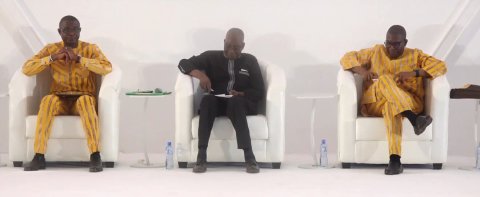
Ministers overseeing the mining sectors in Niger, Mali, and Burkina Faso recently convened for a joint panel discussion during the official inauguration of the Semaine de l'énergie, des mines et des hydrocarbures de l'AES (SEMH-AES), held jointly with the 8th edition of the Semaine des activités minières d'Afrique de l'Ouest (SAMAO). This collaborative session brought together key decision-makers from these West African nations to address critical issues facing their extractive industries. The panel served as a platform for high-level dialogue, underscoring a concerted effort to tackle shared challenges within the region's vital resource sectors.
The central focus of the ministers' discussion was articulated under the comprehensive theme: "Governance of extractive resources: geopolitical stakes, challenges, and opportunities for African states." This broad topic allowed for an in-depth exploration of how these nations manage their valuable mineral and energy assets amidst a complex global landscape. Participants used the forum to exchange insights and experiences regarding the specific difficulties encountered by their respective countries in the mining and energy domains, highlighting a collective commitment to finding sustainable solutions.
Regional Collaboration on Extractive Resources
The participation of ministers from Niger, Mali, and Burkina Faso, representing what the source refers to as the "confederal space," signals a growing alignment among these Sahel states regarding their approach to extractive resource management. This collaborative spirit, particularly evident at the SAMAO SEMH-AES conference, reflects a recognition that many of the challenges in mining governance transcend national borders and require a unified regional strategy. The geopolitical landscape of the Sahel, marked by shared security concerns and economic aspirations, provides a compelling backdrop for such coordinated efforts.
The joint panel underscores a strategic move by these nations to pool their experiences and perspectives on the complex issues surrounding their rich Niger Mali Burkina extractive resources. By sharing their individual struggles and successes in the mining and energy sectors, these countries aim to foster a more resilient and mutually beneficial framework for resource exploitation. This regional cooperation is particularly pertinent given the significant role that mining plays in their economies and the increasing global demand for critical minerals.
Addressing Governance and Geopolitical Stakes
The panel's theme, "Governance of extractive resources: geopolitical stakes, challenges, and opportunities for African states," directly addresses the multifaceted pressures confronting the mining sectors in Niger, Mali, and Burkina Faso. Discussions likely delved into how global power dynamics influence local resource control, the imperative for transparent and equitable management of mineral wealth, and the need to maximize benefits for their populations. The emphasis on geopolitical stakes highlights an awareness of how international relations and market forces impact national policies and the sovereignty over natural assets.
The ministers' shared experiences illuminated common AES mining governance challenges, ranging from regulatory frameworks and environmental protection to community engagement and revenue management. Identifying these shared difficulties is a crucial step toward developing harmonized West Africa mining policy approaches that can strengthen their collective bargaining power and attract responsible investment. The dialogue also aimed to uncover opportunities for growth and development, leveraging their extractive resources for sustainable economic progress despite the inherent complexities.
Why It Matters for Mining Companies
The discussions held at the SAMAO SEMH-AES conference carry significant implications for the future of mining in the region, particularly for companies operating or considering investment in Niger, Mali, or Burkina Faso. The collaborative sharing of experiences among these Sahel states geopolitical mining leaders suggests a potential for evolving regulatory environments and policy shifts. Such a unified approach to Niger Mali Burkina mining governance SAMAO could lead to more standardized practices or new regional initiatives designed to enhance control over extractive industries and ensure greater national benefit.
Lawyers advising mining companies in these nations should therefore closely monitor the outcomes and ongoing discussions stemming from events like SAMAO/SEMH-AES. The shared experiences and geopolitical considerations articulated by the ministers may signal upcoming policy shifts or regulatory reforms that could significantly impact investment frameworks, operational requirements, and compliance obligations. Understanding these evolving regional dynamics will be crucial for navigating the legal and operational landscape of the extractive sector in this vital part of West Africa.
Practical Implications
Lawyers advising mining companies in Niger, Mali, or Burkina Faso should closely monitor discussions from SAMAO/SEMH-AES regarding extractive resource governance, as shared experiences and geopolitical considerations may signal upcoming policy shifts or regulatory reforms impacting investment and operational frameworks in the Sahel region.
Source
How does this affect you?
Get an AI analysis of this article grounded in your jurisdictions, practice areas, and any policy documents you've uploaded to Wansom.
Finish Reading the Full Story and the Expert Analysis.
Get the latest legal & regulatory intelligence in Burkina Faso
Wansom is AI and can make mistakes.