
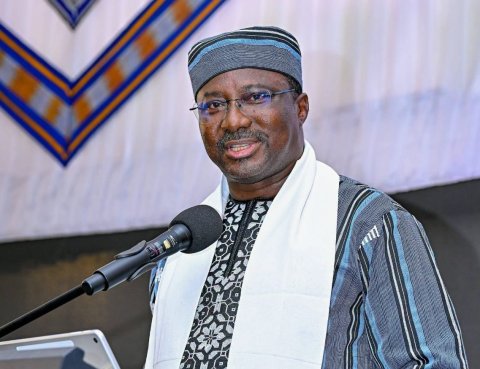
Burkina Faso: JEPPC 2026 Éducation Réformes Unveiled
Summary
- On Wednesday, October 7, 2026, Minister Jacques Sosthène Dingara announced major educational reforms during the second phase of the JEPPC.
- Dingara, the Minister of Basic Education, Literacy, and Promotion of National Languages, detailed initiatives for Burkina Faso's education sector.
- Key reform areas include preschool education, the teaching of national languages, and enhanced civic education.
- The reforms also focus on practical learning through school gardens, improvements to educational infrastructure, and the inclusion of children in specific situations.
Key Educational Reforms Unveiled in Burkina Faso
The unveiling of these extensive educational reforms by Minister Jacques Sosthène Dingara represents a strategic policy direction for Burkina Faso.
On Wednesday, October 7, 2026, the second phase of the National Days of Patriotic Engagement and Citizen Participation (JEPPC) served as the platform for a significant announcement regarding the future of education in Burkina Faso. Jacques Sosthène Dingara, who holds the portfolio of Minister of Basic Education, Literacy, and Promotion of National Languages, presented a comprehensive overview of major reforms slated for implementation within the nation's educational sector.
These pivotal initiatives, detailed by Minister Dingara, are designed to address various critical aspects of the learning journey, from foundational stages to systemic improvements. The JEPPC 2026 event provided a high-profile forum for the government to articulate its strategic vision for educational advancement, emphasizing a holistic approach to national development through an enhanced learning framework. The minister's address underscored the commitment to fostering a more robust and inclusive educational environment across Burkina Faso.
Strategic Pillars of Educational Transformation
The reforms outlined by Minister Dingara encompass a broad spectrum of areas, each identified as crucial for strengthening the educational system. Among the key focuses is the enhancement of preschool education, recognizing its fundamental role in early childhood development and preparing young learners for future academic success. Concurrently, a significant emphasis is being placed on the teaching of national languages, an initiative aimed at both preserving cultural heritage and improving pedagogical effectiveness by grounding instruction in familiar linguistic contexts.
Further components of this transformative agenda include a renewed focus on civic education, designed to instill a strong sense of national identity, responsibility, and active citizenship among students. Practical learning experiences are also being integrated through the development of school gardens, which offer hands-on opportunities for environmental education and skill development. The minister also highlighted critical investments in educational infrastructure, acknowledging the necessity of modern and adequate facilities to support effective teaching and learning across all regions.
Crucially, the reforms also prioritize the inclusion of children in specific situations, ensuring that educational opportunities are accessible and tailored to meet the diverse needs of all students. This commitment to inclusion reflects a broader national objective to create an equitable and supportive learning environment, leaving no child behind in the pursuit of knowledge and personal growth.
Charting a Course for National Development
The unveiling of these extensive educational reforms by Minister Jacques Sosthène Dingara represents a strategic policy direction for Burkina Faso. The JEPPC 2026 framework, under which these announcements were made, underscores the national importance attributed to these changes, positioning education as a cornerstone of patriotic engagement and citizen participation in the country's future.
By targeting areas from early childhood learning and linguistic instruction to civic responsibility, practical skills, infrastructure, and equitable access, the government is signaling a comprehensive and forward-looking approach to national development. These reforms are poised to shape the capabilities and opportunities for generations of students in Burkina Faso, aligning the educational system with broader societal goals and aspirations.
Source
How does this affect you?
Get an AI analysis of this article grounded in your jurisdictions, practice areas, and any policy documents you've uploaded to Wansom.
Finish Reading the Full Story and the Expert Analysis.
Get the latest legal & regulatory intelligence in Burkina Faso
Wansom is AI and can make mistakes.