
Burkina Faso: NGO Treasury Bank Reform Mandates Funds Deposit
Summary
- Burkina Faso's Minister of Economy, Finance and Foresight, Aboubakar Nacanabo, revealed external pressure regarding a new financial reform.
- The reform mandates that non-governmental organizations (NGOs) must lodge their accounts with the Banque des dépôts du Trésor (BDT).
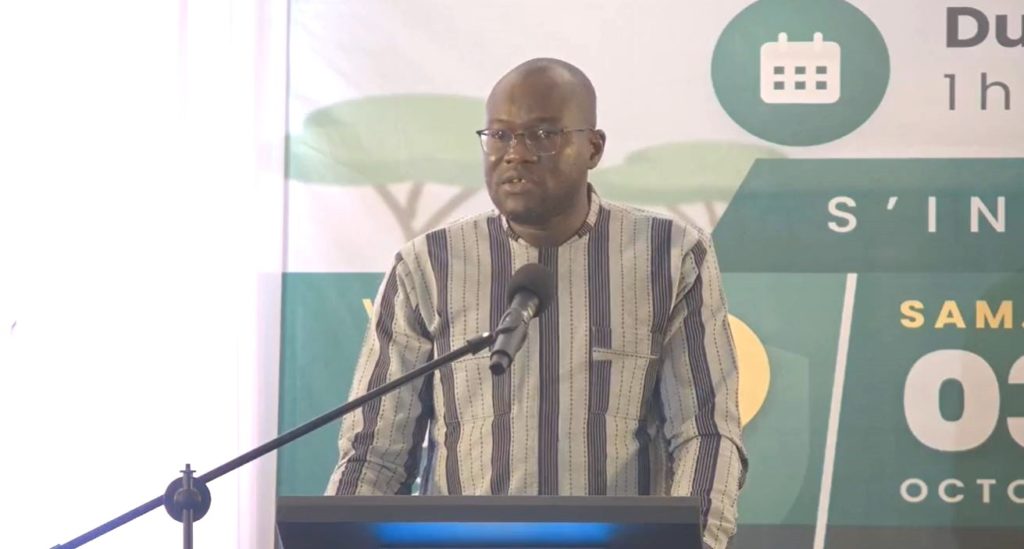
- Nacanabo made these statements during a 'dialogue with the people' event.
- The policy aims to centralize NGO financial oversight and enhance transparency within Burkina Faso.
What Happened
The Minister's public denouncement of pressure attempts highlights the political and economic significance of this Burkina Faso NGO Treasury Bank reform.
Aboubakar Nacanabo, Burkina Faso's Minister of Economy, Finance and Foresight, recently disclosed that certain partners have attempted to exert pressure regarding a significant financial reform. This reform mandates that non-governmental organizations (NGOs) operating within the country must deposit their funds into accounts held at the Banque des dépôts du Trésor (BDT), the national Treasury Bank.
The Minister's remarks came during a public forum, specifically a 'dialogue with the people,' where he addressed various national issues. His statement highlighted the government's resolve to proceed with the new financial regulations despite external influence. This initiative, central to the Burkina Faso NGO Treasury Bank reform, aims to centralize the financial oversight of non-profit entities.
Mr. Nacanabo's revelation underscores the contentious nature of this policy shift, indicating that not all stakeholders are in agreement with the new requirements for NGO accounts. The reform represents a substantial change to the established financial practices for these organizations, moving their deposits from commercial banks to a state-controlled institution.
Legal and Regulatory Context
The core of this policy is a new requirement for non-governmental organizations to lodge their financial holdings with the Banque des dépôts du Trésor. This measure is part of a broader ONG Burkina Faso réforme financière, designed to enhance transparency and control over the significant funds managed by the non-profit sector. The BDT, as the designated institution, will now play a central role in the financial operations of these entities, a departure from previous arrangements.
This directive falls under the purview of Burkina Faso non-profit financial regulations, signaling a tightening of oversight by the state. The government's intention appears to be to ensure greater accountability for funds, particularly those originating from international partners or intended for development projects. Such reforms often aim to streamline financial flows and prevent misuse, aligning NGO activities more closely with national economic priorities.
The implementation of this reform will necessitate significant adjustments for all NGOs operating in Burkina Faso. They will need to re-evaluate their financial management systems and ensure full compliance with the new mandate to transfer their operational funds to the Treasury Bank. This shift could impact the speed and flexibility of financial transactions for these organizations.
Why It Matters
The Minister's public denouncement of pressure attempts highlights the political and economic significance of this Burkina Faso NGO Treasury Bank reform. It suggests that the reform is not merely an administrative adjustment but a policy with far-reaching implications that has drawn attention, and opposition, from various quarters. The government's decision to proceed despite these pressures indicates a strong commitment to the new financial framework.
This development is crucial for understanding the evolving landscape of NGO compliance Burkina Faso. The requirement to centralize NGO accounts at the Banque des dépôts du Trésor could reshape how non-profits operate, manage their finances, and interact with both local authorities and international donors. It emphasizes the state's increasing role in monitoring and regulating the financial activities of the non-profit sector.
Ultimately, the success and impact of this reform will depend on its implementation and the ability of NGOs to adapt to the new financial environment. The Minister's statement serves as a clear signal that the government is serious about enforcing these new regulations, making it imperative for all affected organizations to prepare for the changes ahead.
Practical Implications
Lawyers advising NGOs operating in Burkina Faso should closely monitor the progress and final implementation details of this reform. It will likely necessitate significant changes to financial management and reporting for their clients to ensure compliance with the new requirement to lodge funds with the Treasury Bank.
Source
How does this affect you?
Get an AI analysis of this article grounded in your jurisdictions, practice areas, and any policy documents you've uploaded to Wansom.
Finish Reading the Full Story and the Expert Analysis.
Get the latest legal & regulatory intelligence in Burkina Faso
Wansom is AI and can make mistakes.