
Burkina Faso: Biometric Identity Key to Diploma Security
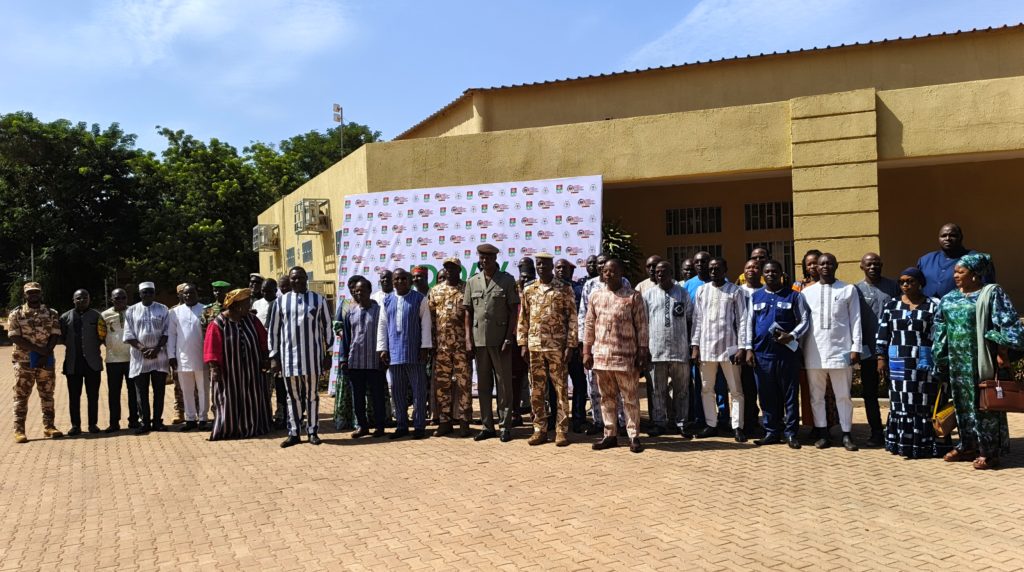
On September 16, 2026, Burkina Faso will commemorate the 7th International Identity Day, focusing this year on the use of biometric identity for securing academic and professional diplomas.
This event, known as "ID DAY," highlights the nation's commitment to leveraging advanced identification technologies to address a particularly sensitive area: the authentication and security of educational qualifications. The emphasis on biometric identity suggests a strategic move by the Burkinabe authorities to combat diploma fraud, enhance the integrity of academic and professional credentials, and streamline verification processes across various sectors. This initiative underscores a broader national effort to modernize identification systems and apply them to critical public services, ensuring greater trust and reliability in official documents.
This focus on biometric identity for diploma security carries significant legal implications for a wide array of stakeholders. For educational institutions, it signals a potential shift towards mandatory biometric enrollment for students and the integration of biometric data into diploma issuance and verification systems, necessitating updates to their administrative and data management protocols. Employers stand to benefit from more reliable credential verification, reducing the risks associated with fraudulent qualifications and improving the integrity of their workforce. However, for individuals, while it enhances the value of their qualifications, it also raises critical questions regarding data privacy, the security of sensitive biometric information, and access to education for those who may face challenges with biometric registration. The implementation of such a system would likely necessitate robust data protection measures and clear legal frameworks governing the collection, storage, and use of biometric data.
While the excerpt does not detail specific statutes, the legal context for such an initiative in Burkina Faso would involve several key areas. These include existing or forthcoming data protection laws (e.g., Law N°010-2004/AN on the protection of personal data, which may be updated), administrative regulations governing educational institutions and public services, and potentially amendments to criminal law concerning fraud and forgery of official documents. The Ministry of National Education, Literacy and Promotion of National Languages, and the Ministry of Higher Education, Scientific Research and Innovation would be central to developing and implementing any new policies or decrees. Furthermore, technical and security standards for biometric data management would likely fall under the purview of national cybersecurity or information systems agencies, ensuring compliance with international best practices for data integrity and security.
Attorneys advising educational institutions, technology providers, employers, or individuals in Burkina Faso should closely monitor legislative and regulatory developments stemming from this national focus on biometric identity for diploma security. This includes anticipating new data protection regulations, guidelines on biometric data collection, storage, and usage, and specific requirements for diploma issuance and verification. Businesses involved in identity management, educational technology, or human resources should assess potential opportunities and ensure their services and practices align with evolving legal frameworks. Practitioners should proactively advise clients on compliance strategies, particularly concerning data privacy, consent mechanisms, and the secure handling of biometric information, to mitigate legal risks and ensure adherence to future national standards.
How does this affect you?
Get an AI analysis of this article grounded in your jurisdictions, practice areas, and any policy documents you've uploaded to Wansom.
Finish Reading the Full Story and the Expert Analysis.
Get the latest legal & regulatory intelligence in Burkina Faso
Wansom is AI and can make mistakes.