
Burkina Faso, Mali, Niger Discuss Mining Governance at SAMAO/SEMH-AES
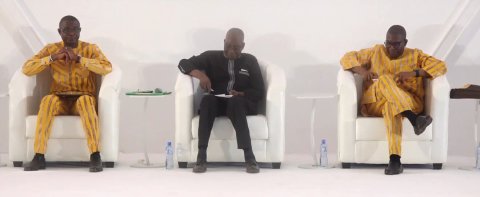
Ministers responsible for mines from Niger, Mali, and Burkina Faso recently participated in a joint panel discussion on the governance of extractive resources during the official opening of the West African Mining Activities Week (SAMAO) and the AES Energy, Mines, and Hydrocarbons Week (SEMH-AES).
This collaborative event brought together key policymakers from the Alliance of Sahel States (AES) to share experiences and discuss the critical theme of "Governance of extractive resources: geopolitical stakes, challenges, and opportunities for African states." The discussion underscores a concerted regional effort to address common issues within the mining, energy, and hydrocarbure sectors, reflecting a shared understanding of the complex interplay between resource management, national development, and regional stability. The focus on sharing challenges indicates a potential move towards coordinated strategies and policies to optimize the benefits derived from their natural resources.
This high-level regional dialogue carries substantial legal and policy significance for the extractive industries in these nations. It signals a potential trajectory towards harmonized or at least coordinated regulatory frameworks across Niger, Mali, and Burkina Faso, particularly concerning investment codes, environmental protection, local content requirements, and fiscal regimes for mining projects. Such coordination could impact the ease of doing business, the stability of investment climates, and the legal obligations of companies operating within these jurisdictions. For international and domestic investors, it suggests a need to monitor not only national legislative changes but also regional policy shifts that could influence future operational requirements and risk assessments, especially in areas related to resource nationalism and ESG (Environmental, Social, and Governance) standards.
The legal context for this discussion is rooted in the national mining codes and related legislation of each country, such as Burkina Faso's Mining Code (e.g., Law N°036-2015/AN), Mali's Mining Code (e.g., Law N°2019-007/AN-RM), and Niger's Mining Code (e.g., Law N°2017-03). Beyond national laws, the panel's theme touches upon international legal principles governing natural resources, transparency initiatives like the Extractive Industries Transparency Initiative (EITI), and regional economic integration frameworks. The emphasis on "geopolitical stakes" also brings into play international investment law, bilateral investment treaties, and the broader legal implications of global commodity markets and supply chains. Any outcomes from these discussions could lead to amendments or new regulations aimed at strengthening state control over resources, enhancing local participation, or revising revenue distribution mechanisms.
Attorneys advising clients in the mining, energy, and hydrocarbure sectors across Niger, Mali, and Burkina Faso should closely monitor any communiqués, declarations, or policy recommendations that emerge from these regional discussions. This includes anticipating potential legislative reforms aimed at harmonizing mining codes, strengthening local content requirements, or revising fiscal regimes across the AES member states. Practitioners should advise clients to conduct thorough due diligence on the evolving regulatory landscape and assess their current operational frameworks against potential future regional standards, particularly concerning environmental compliance, social responsibility, and community engagement. Understanding the evolving geopolitical landscape and its influence on resource governance will be critical for strategic planning, risk mitigation, and ensuring long-term operational viability in these jurisdictions.
How does this affect you?
Get an AI analysis of this article grounded in your jurisdictions, practice areas, and any policy documents you've uploaded to Wansom.
Finish Reading the Full Story and the Expert Analysis.
Get the latest legal & regulatory intelligence in Burkina Faso
Wansom is AI and can make mistakes.