
Bunia Police: Ebola Student Transport Ban Limits Motorcycle Passengers
Summary
- The Police nationale congolaise (PNC) in Bunia, Ituri, has imposed new limits on student transportation to combat the Ebola epidemic.
- Motorcycles are now restricted to carrying one student, and cars to four students, to reduce contamination risks.
- This measure targets the common practice of transporting multiple children on single motorcycles, which authorities deem a high-risk activity for virus spread.
- Colonel Abeli Mwango, urban commander of the PNC, issued a communiqué instructing strict enforcement by Road Traffic Police (PCR) and the apprehension of violators.
- The new regulations will increase daily school transport costs for many parents in Bunia, who are already facing economic difficulties due to security and health crises.
Bunia Police Enforce New Ebola Transport Restrictions
The directive explicitly aims to "effectively contribute to interrupting the epidemic's contamination chains," underscoring the urgency of these Bunia Ebola prevention measures.
Authorities in Bunia, Ituri, have introduced stringent new regulations governing student transportation, a direct response to the ongoing Ebola epidemic in the region. The Police nationale congolaise (PNC) has issued a directive prohibiting the transport of more than a single student on a motorcycle and limiting cars to a maximum of four students. This decisive action is intended to mitigate the risks of contamination within the city, where new cases and fatalities linked to Ebola continue to be reported.
Addressing High-Risk Transport Practices
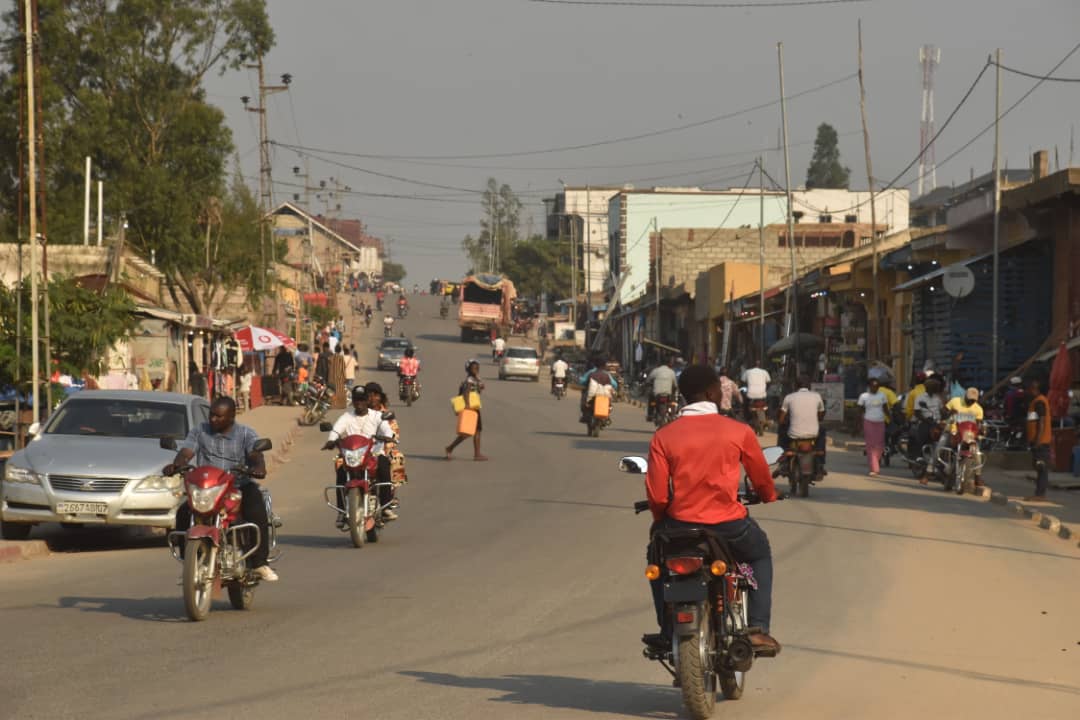
The new restrictions directly target a prevalent practice in Bunia where students often travel considerable distances to reach their schools. To manage costs, many parents rely on moto-taxis to transport multiple children simultaneously, especially those attending kindergarten and primary institutions. It is not uncommon to observe three, four, or even five children, sometimes from different families, sharing a single motorcycle.
Colonel Abeli Mwango, the urban commander of the Police nationale congolaise, explicitly stated that this common practice significantly elevates the risks of Ebola virus propagation. In a communiqué released last Tuesday, he formally declared the interdiction transport élèves moto Bunia, limiting motorcycles to one student and cars to four. The directive explicitly aims to "effectively contribute to interrupting the epidemic's contamination chains," underscoring the urgency of these Bunia Ebola prevention measures. Furthermore, Colonel Mwango has instructed PCR personnel to strictly enforce these rules and apprehend any individuals found in violation, highlighting the serious legal consequences of non-compliance.
Economic and Public Health Ramifications
While designed to safeguard public health, these new DRC Bunia student motorcycle limit regulations present a considerable challenge for many families. Parents in Bunia, already grappling with the severe impacts of ongoing security and health crises, now face an additional financial burden. The necessity of adhering to the one-student-per-motorcycle rule means increased expenditure for daily school transport, adding strain to household budgets.
Despite the economic hardship, the police emphasize that the measure is crucial for protecting the population in a city where Ebola cases and deaths persist. The Police nationale congolaise Bunia Ebola directive reflects a critical public health intervention, balancing the need for disease control with the practical realities of daily life in the affected community. Compliance is paramount for both individual safety and the collective effort to halt the epidemic's progression.
Practical Implications
Lawyers and compliance officers advising clients in Bunia, particularly transport operators, schools, or parents, must be aware of this new, specific local regulation. Non-compliance with the student transport limits imposed by the PNC for Ebola prevention can lead to arrest, requiring legal counsel on local public health enforcement measures.
Source
How does this affect you?
Get an AI analysis of this article grounded in your jurisdictions, practice areas, and any policy documents you've uploaded to Wansom.
Finish Reading the Full Story and the Expert Analysis.
Wansom is AI and can make mistakes.