
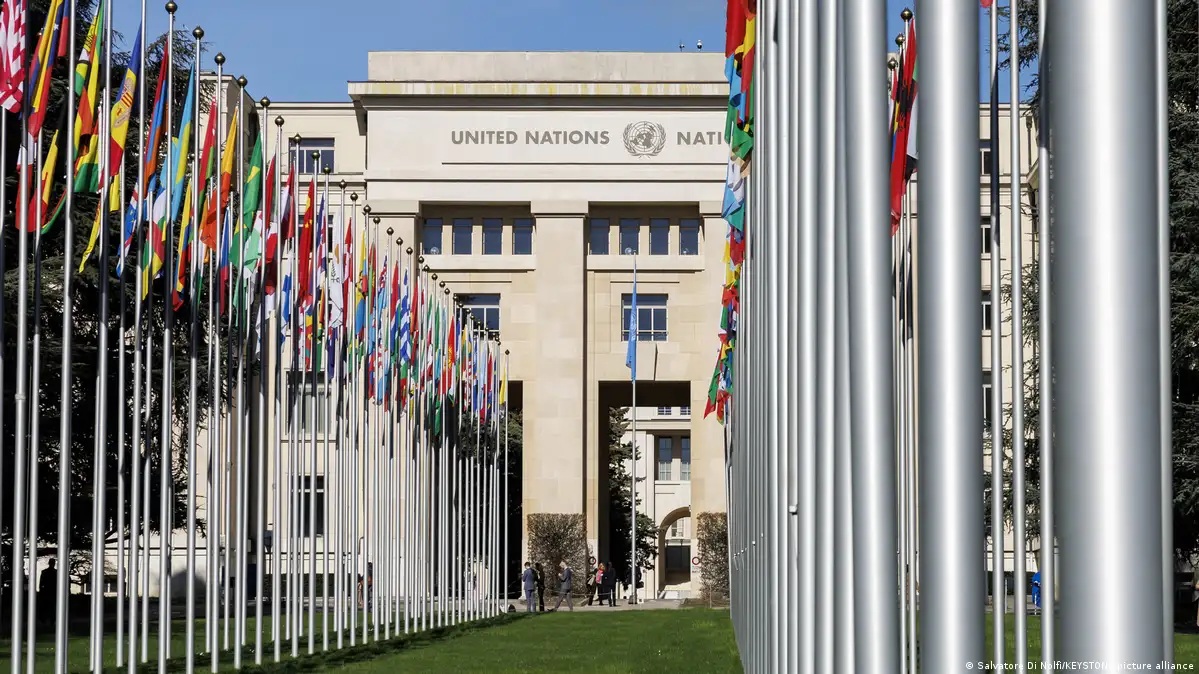
مجلس حقوق الإنسان يمدد تفويض بعثة تقصي الحقائق في السودان لعام
Summary
- The UN Human Rights Council extended the mandate of its independent fact-finding mission in Sudan for one additional year on October 5, 2026.
- The extension passed with 28 votes in favor, 10 against, and 9 abstentions, despite Sudan's refusal to cooperate and its denial of visas to mission members.
- Established on October 11, 2023, the mission is tasked with collecting evidence of violations, identifying responsible parties, and recommending accountability measures to end impunity.
- The resolution requires the mission to provide an oral update and a comprehensive report to the UNHRC and the UN General Assembly.
- The Council urged conflict parties and states to provide support and facts, and called on the UN Secretary-General to ensure administrative, logistical, and technical assistance for the mission.
Mandate Extended Amidst Non-Cooperation
Despite Sudan's explicit refusal to cooperate and its denial of entry visas to mission members, the international community has reaffirmed its commitment to documenting human rights abuses.
The United Nations Human Rights Council (UNHRC) has voted to extend the mandate of its independent international fact-finding mission in Sudan for an additional year. This decision, made on Monday, October 5, 2026, underscores the international community's continued focus on human rights in the conflict-ridden nation, despite significant challenges to the mission's operations.
The resolution for the UNHRC Sudan fact-finding mission extension passed with a clear majority, garnering 28 votes in favor. Ten nations voted against the extension, while nine countries chose to abstain from the vote, reflecting varying international perspectives on the approach to human rights monitoring in Sudan.
Notably, Sudan has consistently rejected cooperation with the mission, asserting that other existing UN human rights mechanisms are sufficient. This stance has been accompanied by practical impediments, including the denial of entry visas to members of the Sudan human rights investigation mission, effectively preventing them from conducting on-the-ground investigations within the country.
Investigating Atrocities and Ensuring Accountability
The independent international fact-finding mission was originally established by the Human Rights Council on October 11, 2023, with a critical mandate to address severe human rights concerns. Its primary objectives include the meticulous collection and analysis of evidence pertaining to violations of international human rights law Sudan, as well as identifying the individuals and entities responsible for these transgressions.
Beyond documentation, the mission is tasked with formulating recommendations for accountability measures aimed at ending impunity for abuses. The recent mandate renewal emphasizes the ongoing need for this work, particularly given the persistent challenges in accessing the country and securing cooperation from relevant parties.
As part of its renewed mandate, the Council's resolution explicitly calls upon all parties to the conflict in Sudan, along with concerned states and stakeholders, to provide the mission with essential facts and documents. Furthermore, it urges them to offer their full support to enable the mission to effectively carry out its vital mandate.
Continued Scrutiny and Calls for Support
The extended mandate requires the mission to provide both an oral update on its activities and a comprehensive report to the Human Rights Council and the United Nations General Assembly. This reporting mechanism ensures ongoing international scrutiny and keeps the human rights situation in Sudan at the forefront of global diplomatic discussions, reinforcing the importance of the UN Human Rights Council Sudan mandate renewal.
To facilitate the mission's work, the Council has also called upon the UN Secretary-General to allocate the necessary resources and expertise. This support is intended to empower the Office of the High Commissioner for Human Rights to provide crucial administrative, logistical, and technical assistance to the fact-finding mission.
In its deliberations, the Council reiterated its deep concern regarding external support and interference, particularly through illicit financial networks, which continue to fuel the conflict in Sudan. This highlights a broader international commitment to addressing not only the direct perpetrators of human rights violations but also those external actors who contribute to the ongoing instability and suffering.
Practical Implications
Lawyers and compliance officers with clients operating in or having ties to Sudan should note the continued international scrutiny on human rights. This extension means ongoing evidence collection for potential accountability measures, increasing the risk of sanctions or legal actions for entities implicated in or associated with violations, necessitating heightened due diligence and risk assessment.
Source
How does this affect you?
Get an AI analysis of this article grounded in your jurisdictions, practice areas, and any policy documents you've uploaded to Wansom.
Finish Reading the Full Story and the Expert Analysis.
Get the latest legal & regulatory intelligence in Sudan
Wansom is AI and can make mistakes.