
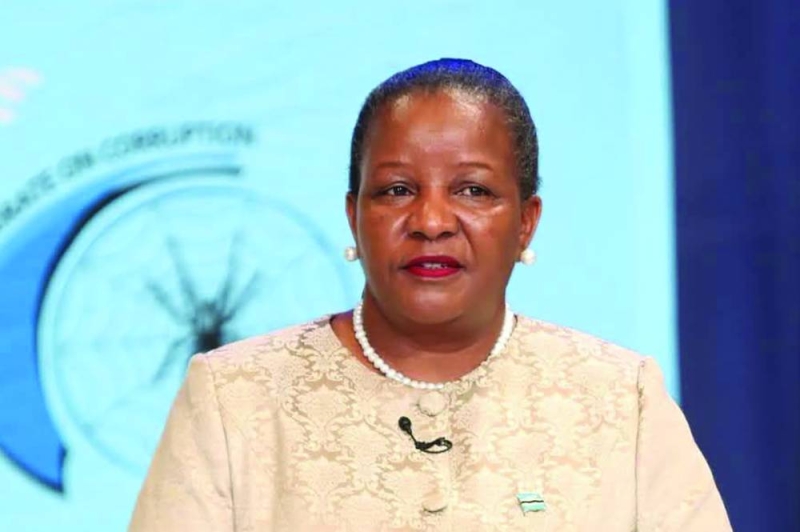
Botswana DCEC: Denies Investigation Into Dikoloti, Kenewendo
Summary
- Botswana's Directorate on Corruption and Economic Crime (DCEC) has denied investigating two current ministers, Dr. Dikoloti and Kenewendo.
- Dr. Dikoloti's alleged probe was linked to past activities within the Health Ministry.
- Kenewendo's alleged investigation was connected to negotiations involving De Beers.
- These alleged inquiries add to a list of current ministers reportedly under DCEC scrutiny, signaling heightened enforcement.
- The DCEC has declined to comment or disclose further information on investigations, and has denied the existence of these particular probes.
High-Profile Investigations Unveiled
This development signals heightened enforcement activity by Botswana's DCEC against high-ranking public officials, indicating a robust approach to upholding ethical standards in government.
Botswana's Directorate on Corruption and Economic Crime (DCEC) has denied initiating investigations into two prominent government figures, Dr. Dikoloti and Kenewendo. Both individuals currently hold ministerial positions within the government, placing their alleged probes under significant public and political scrutiny. The DCEC, a key agency in Botswana's fight against graft, has maintained its standard policy of not providing specific comments or disclosing detailed information regarding investigations, and has specifically denied the existence of these particular probes.
These inquiries, which the DCEC denies, mark a notable development in the country's anti-corruption efforts, as they involve high-ranking officials. The alleged investigations into Dr. Dikoloti and Kenewendo add their names to an expanding list of current ministers who are reportedly under the radar of the DCEC. This trend signals a potentially intensified focus by the Directorate on scrutinizing the conduct of senior public servants in Botswana.
Specific Allegations Emerge
The nature of the alleged investigations into the two ministers had been broadly outlined, linking them to distinct areas of concern. For Dr. Dikoloti, the alleged DCEC's probe was understood to be connected to past activities and operations within the Health Ministry. This suggested a review of historical decisions or conduct that occurred during a period associated with the ministry's operations.
Separately, the alleged investigation involving Kenewendo was specifically tied to negotiations concerning De Beers, the global diamond company. The precise details of these negotiations or the alleged improprieties remain undisclosed by the DCEC, consistent with their policy of confidentiality during active investigations. However, the mention of such a high-stakes negotiation involving a major industry player like De Beers underscores the potential significance of the inquiry.
Botswana's Anti-Corruption Stance
The Directorate on Corruption and Economic Crime Botswana (DCEC) operates as the nation's primary agency tasked with combating corruption and economic crime. Its mandate includes investigating allegations of corruption, prosecuting offenders, and promoting public education on anti-corruption measures. The DCEC's denial of the current alleged investigations into Dr. Dikoloti and Kenewendo underscores the DCEC's commitment to pursuing cases regardless of the seniority of the individuals involved, reinforcing the principle that no one is above the law.
These developments are set against a broader backdrop of Botswana's ongoing efforts to maintain transparency and accountability in its public sector. The nation has historically prided itself on its relatively strong governance framework in Africa, and the DCEC's proactive stance in probing high-level officials demonstrates a continued commitment to addressing Botswana public sector corruption. Such actions are crucial for upholding public trust and ensuring the integrity of government operations.
Implications for Governance and Oversight
The alleged investigations into Dr. Dikoloti and Kenewendo carry significant implications for governance within Botswana. They highlight the active role of the DCEC in monitoring and addressing potential misconduct among the country's leadership. This development signals heightened enforcement activity by Botswana's DCEC against high-ranking public officials, indicating a robust approach to upholding ethical standards in government.
The scrutiny of current ministers, particularly concerning sensitive areas like Health Ministry operations and major corporate negotiations, could lead to increased calls for greater transparency and stricter oversight mechanisms across all government departments. These alleged probes serve as a potent reminder of the continuous need for vigilance against corruption and economic crime at every level of public service.
Practical Implications
This development signals heightened enforcement activity by Botswana's DCEC against high-ranking public officials. Lawyers and compliance officers should advise clients, particularly those involved in government contracts or the mining and health sectors, to review their compliance frameworks and interactions with public officials for potential corruption and economic crime risks.
Source
How does this affect you?
Get an AI analysis of this article grounded in your jurisdictions, practice areas, and any policy documents you've uploaded to Wansom.
Finish Reading the Full Story and the Expert Analysis.
Get the latest legal & regulatory intelligence in Botswana
Wansom is AI and can make mistakes.