
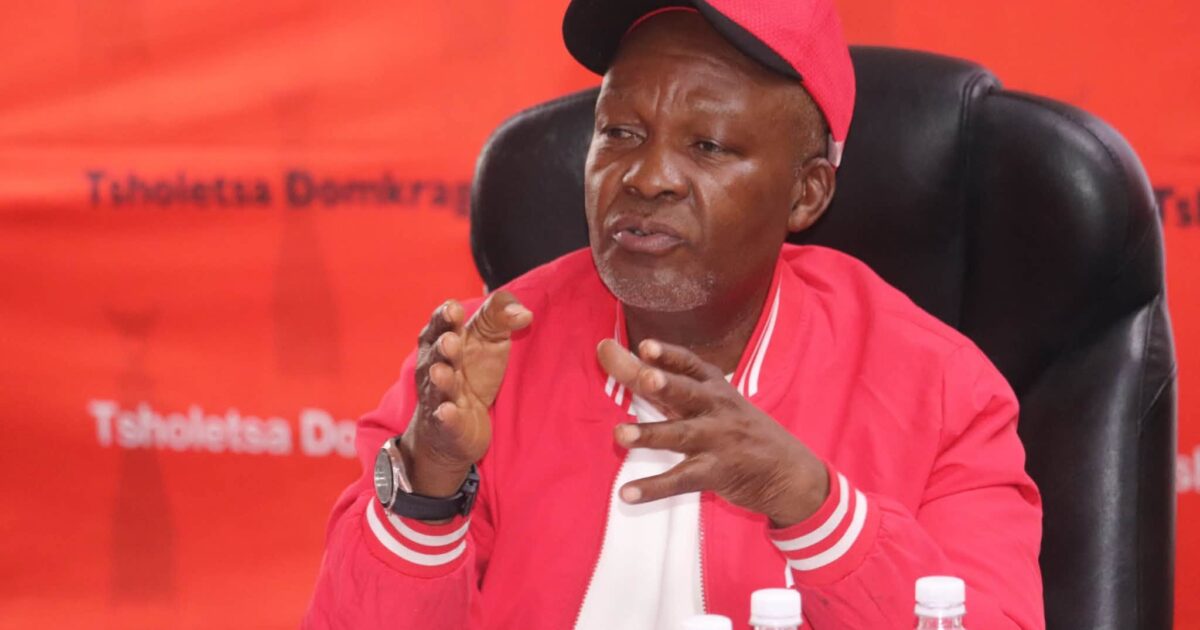
BDP: Mpho Balopi Corruption Charges Spark 'Step Aside' Policy Debate
Summary
- Mpho Balopi, the president of the Botswana Democratic Party, is currently facing corruption charges.
- These allegations have compelled the BDP to re-evaluate its zero-tolerance stance on corruption.
- The party has not yet decided whether Balopi should temporarily step aside from his leadership role.
- This indecision leaves his leadership of the party in an unsettled state.
- The situation highlights increasing scrutiny on political leaders facing graft allegations in Botswana.
Allegations Against BDP President
The manner in which the Botswana Democratic Party ultimately resolves this issue could significantly influence future anti-corruption legislation or enforcement trends across the nation.
Mpho Balopi, who currently serves as the president of the Botswana Democratic Party (BDP), is facing serious corruption charges. These graft allegations have placed the ruling party in a difficult position, forcing it to confront its established principles regarding ethical conduct within its ranks. The charges against Balopi have initiated an internal debate within the BDP, specifically concerning the application of its purported zero-tolerance stance on corruption.
The core of the party's current dilemma revolves around whether its own leader, Mpho Balopi, should temporarily step aside from his presidential duties while the legal proceedings unfold. Despite the gravity of the Mpho Balopi BDP corruption charges, the party has yet to issue a definitive ruling on this matter. This ongoing indecision leaves the stability and direction of the Botswana Democratic Party Balopi's leadership in an uncertain state, creating a significant point of contention and observation for both party members and the wider public.
The "Step Aside" Policy Under Scrutiny
The BDP's internal regulations and stated commitment to combating corruption are now being tested by the very public Mpho Balopi graft allegations. The party has previously articulated a zero-tolerance approach to malfeasance, which, by implication, suggests a mechanism for leaders facing serious accusations to temporarily relinquish their roles. This unwritten or implicitly understood "BDP step aside policy" is now at the forefront of discussions within the party's executive.
The failure to make a swift decision regarding Balopi's position underscores a significant challenge to party leadership ethics BW. It raises questions about the consistent application of internal disciplinary measures, particularly when high-ranking officials are involved. The prolonged deliberation over whether the party president should step aside highlights the complex interplay between internal party governance and the broader fight against Botswana political corruption, signaling a critical moment for the BDP's credibility.
Implications for Governance and Public Trust
This unfolding situation involving the BDP president and the corruption charges against him carries substantial implications beyond the immediate party structure. It serves as a prominent example of the increasing scrutiny placed on political leaders in Botswana who face allegations of misconduct. The manner in which the Botswana Democratic Party ultimately resolves this issue could significantly influence future anti-corruption legislation or enforcement trends across the nation.
For legal professionals advising on political risk or public sector ethics, the BDP's eventual determination on Mpho Balopi's status will be a crucial indicator. It will offer insights into the evolving standards of governance within Botswana's political landscape and the willingness of ruling parties to uphold their stated ethical commitments. The outcome of this internal party deliberation is therefore not merely an internal affair but a potential benchmark for accountability in public office.
Practical Implications
This situation underscores the increasing scrutiny on political leaders facing corruption allegations in Botswana, which may influence future anti-corruption legislation or enforcement trends. Lawyers advising on political risk or public sector ethics should monitor the BDP's decision as a potential indicator of evolving governance standards.
Source
How does this affect you?
Get an AI analysis of this article grounded in your jurisdictions, practice areas, and any policy documents you've uploaded to Wansom.
Finish Reading the Full Story and the Expert Analysis.
Get the latest legal & regulatory intelligence in Botswana
Wansom is AI and can make mistakes.