
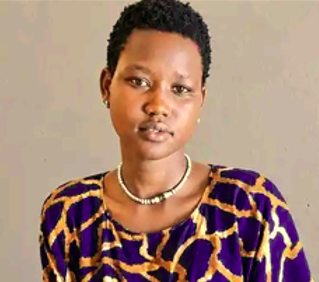
Bor Police Release Forced Marriage Murderers: No Charges For Sister's Death
Summary
- Police in Bor, Jonglei State, released two men accused of fatally beating their 18-year-old sister, Ajok Kelei, for rejecting an arranged marriage.
- The release occurred without charges and against the will of Daniel Deng Panchol, the caretaker commissioner of Bor County, following demands from the deceased's family.
- This incident highlights a significant failure of the justice system in Jonglei State, as murder is a criminal offense under the South Sudan Penal Code.
- Forced marriage and violence against girls are common in South Sudan's pastoralist Dinka communities, often driven by bride wealth.
- Civil society and women's rights activists, including Bol Deng Bol, executive director of INTREPID South Sudan and chairperson of the Jonglei Civil Society Network, condemn the release, citing a weak legal system and cultural practices that treat girls as property.
Tragic Death and Unjust Release
This case serves as a stark reminder of the critical breakdown in formal legal processes when confronted with deeply entrenched customary practices and family pressure, ultimately undermining justice for serious crimes.
Police in Bor, the capital of South Sudan's Jonglei State, recently released two men without charges, despite allegations that they fatally beat their 18-year-old sister, Ajok Kelei, for refusing an arranged marriage. Hailing from Baidit Payam, Ajok had twice attempted to formalize a union with a man from Chuei-Keer, a choice her family consistently opposed. The family instead favored a suitor from Makuach Payam.
The tragic incident unfolded on November 5, when Ajok made a third attempt to be with her chosen partner. She was reportedly forcibly returned home and subjected to a beating that proved fatal. This "South Sudan forced marriage killing" has ignited widespread discussion, particularly online, with many advocating for the rights of girls in a predominantly patriarchal society. The subsequent release of the alleged perpetrators has only intensified public outrage and scrutiny.
Systemic Failure and Legal Contradictions
The release of the suspects occurred without the consent of Daniel Deng Panchol, the caretaker commissioner of Bor County, who described the event as equally distressing as the murder itself. Commissioner Panchol revealed that the family of the deceased directly intervened, visiting the prison to demand the release of their sons, arguing there was "no case" because all parties were relatives. An additional justification cited was the need for one of the brothers to sit for secondary education exams.
This action stands in stark contrast to the South Sudan Penal Code, which explicitly defines murder as a criminal offense carrying severe penalties, including death or life imprisonment. Commissioner Panchol, expressing his shock upon learning of the release a day later, affirmed that murder cases inherently involve the state and pledged that local government would still investigate the matter to prevent future occurrences, despite the apparent "Jonglei State justice system failure."
Cultural Practices and Calls for Reform
Forced marriage remains a prevalent issue within South Sudan's pastoralist communities, particularly among the Dinka people, where girls are often subjected to violence, including fatal beatings, to compel them into family-arranged unions, frequently motivated by substantial bride wealth. Bol Deng Bol, executive director of INTREPID South Sudan and chairperson of the Jonglei Civil Society Network, condemned the "Ajok Kelei murder Bor," noting that such incidents are not isolated, with two similar cases reported in Jonglei State last year. He asserted that the local culture often condones these practices, and the release of the suspects serves as clear evidence of a "weak justice system."
Bol emphasized that the police should have referred the case to court, even in the absence of a formal complaint, given its significant public interest. Kenya Mach, an activist with the Jonglei State Women Association, echoed these sentiments, urging society to abandon harmful cultural norms that treat girls as mere commodities. She stressed that girls are human beings with fundamental rights, including the right to education and the freedom to choose their marriage partners.
Erosion of the Rule of Law
The incident tragically underscores the profound challenges facing the rule of law and criminal justice administration in Jonglei State. Mach highlighted how the "Dinka customary law violence" and the subsequent lack of accountability expose a "base culture" and a "weak legal system," calling for immediate government intervention to prevent similar tragedies. She advised parents to fulfill their responsibilities towards their children and encouraged girls to seek legal protection when their rights are threatened.
While a facility exists in the Block 3 suburb, comprising civil society organizations, police, and NGOs dedicated to protecting girls, Mach lamented that they only became aware of Ajok's plight after her death. This case serves as a stark reminder of the critical breakdown in formal legal processes when confronted with deeply entrenched customary practices and family pressure, ultimately undermining justice for serious crimes.
Practical Implications
This incident highlights a critical breakdown in the rule of law and criminal justice administration in Jonglei State, South Sudan, where alleged murderers were released without charges due to family pressure, overriding statutory law. Lawyers advising clients operating in South Sudan, particularly in regions like Jonglei, must be aware of the significant risks posed by a weak justice system, the potential for customary practices to undermine formal legal processes, and the challenges in ensuring accountability for serious crimes.
Source
How does this affect you?
Get an AI analysis of this article grounded in your jurisdictions, practice areas, and any policy documents you've uploaded to Wansom.
Finish Reading the Full Story and the Expert Analysis.
Get the latest legal & regulatory intelligence in South Sudan
Wansom is AI and can make mistakes.