
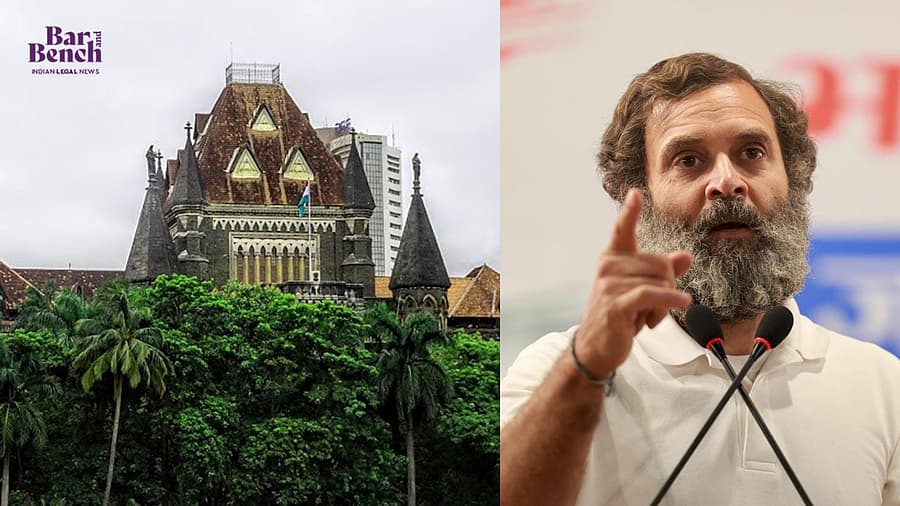
Bombay High Court: Declines Rahul Gandhi Defamation Quash Plea
Summary
- The Bombay High Court rejected Rahul Gandhi's plea to quash a criminal summons in a defamation case concerning remarks about Prime Minister Narendra Modi.
- Justice NR Borkar ruled there was no 'manifest illegality' in the magistrate's order, declining to use inherent jurisdiction under Section 482 CrPC.
- The defamation case was filed by BJP member Mahesh Shrishrimal, alleging Gandhi's September 2018 statements led to PM Modi being trolled.
- Gandhi was granted six weeks of relief from appearing before the magistrate, allowing him time to appeal the decision to the Supreme Court.
- The magistrate initially issued summons in August 2019, which Gandhi challenged in the High Court after receiving them in July 2021.
Court Upholds Summons in Defamation Case
In its decision, the Bombay High Court found no grounds to intervene with the magistrate's summons, emphasizing that there was no "manifest illegality" or "perversity" in the impugned order.
The Bombay High Court recently declined to quash a criminal summons issued against Leader of Opposition Rahul Gandhi in a defamation case stemming from remarks he made concerning Prime Minister Narendra Modi. Justice NR Borkar, presiding over the matter, issued the order, rejecting Gandhi's plea which sought to set aside the magistrate's directive for his appearance.
The ruling means that the defamation proceedings initiated by BJP member Mahesh Shrishrimal before the Girgaon Magistrate Court will continue. Shrishrimal’s complaint alleges that Gandhi made defamatory statements against PM Modi during a rally held in Rajasthan in September 2018. These remarks, according to the complainant, led to PM Modi being trolled across various news channels and social media platforms.
Legal Basis for the High Court's Decision
In its decision, the Bombay High Court found no grounds to intervene with the magistrate's summons, emphasizing that there was no "manifest illegality" or "perversity" in the impugned order. Justice Borkar explicitly stated that the case did not warrant the exercise of the court's inherent jurisdiction under Section 482 of the Criminal Procedure Code (CrPC). This provision allows High Courts to quash criminal proceedings in certain circumstances, but the court determined that the present facts did not meet the necessary threshold for such intervention.
The court's assessment, considering the overall circumstances, concluded that the magistrate's order to summon Rahul Gandhi for the defamation case was free from infirmity. This stance underscores the judiciary's reluctance to interfere with initial judicial processes unless there is a clear and undeniable error in law or fact. The plea to quash criminal summons in India, particularly under Section 482 CrPC, often faces a high bar for success.
Procedural Timeline and Future Steps
The defamation complaint by Mahesh Shrishrimal led to the Girgaon Magistrate Court issuing summons to Rahul Gandhi in August 2019. However, Gandhi only challenged this order before the Bombay High Court after receiving the summons in July 2021. During earlier proceedings related to the quashing criminal summons India, the High Court had sought assistance from the Maharashtra Advocate General, Milind Sathe, to address crucial questions of law raised in Gandhi's petition.
Despite rejecting the plea to quash the summons, the Bombay High Court granted Rahul Gandhi a six-week reprieve from appearing before the magistrate court. This temporary relief provides him with an opportunity to challenge the High Court's ruling before the Supreme Court, indicating that the legal battle in this Rahul Gandhi PM Modi defamation case is likely to continue at a higher judicial level.
Practical Implications
This ruling reinforces the high threshold for quashing criminal defamation proceedings under Section 482 CrPC in India, indicating that High Courts are reluctant to interfere with summons unless there is manifest illegality. Lawyers advising clients facing similar defamation charges should note the court's stance and prepare for potential appeals to the Supreme Court if initial quashing attempts fail.
Source
How does this affect you?
Get an AI analysis of this article grounded in your jurisdictions, practice areas, and any policy documents you've uploaded to Wansom.
Finish Reading the Full Story and the Expert Analysis.
Wansom is AI and can make mistakes.