
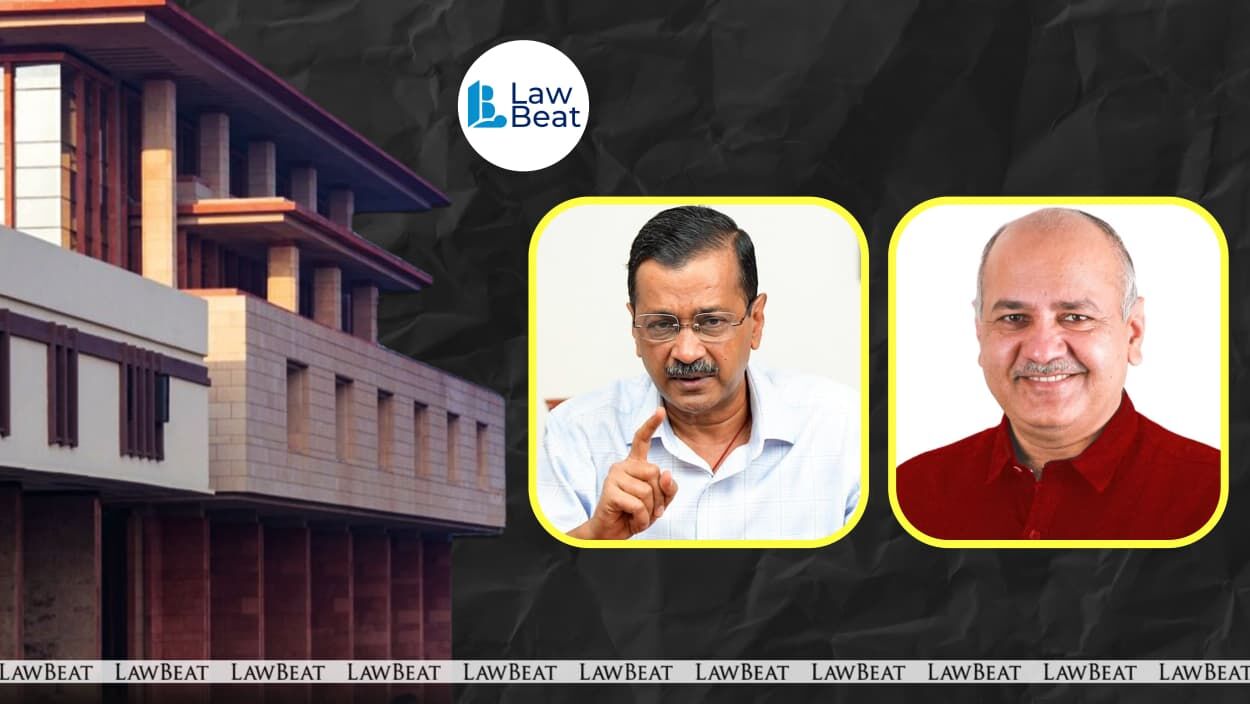
Kejriwal, Sisodia Withdraw Delhi HC Phansi Ghar Plea
Summary
- Arvind Kejriwal and Manish Sisodia withdrew their Delhi High Court plea challenging a Delhi Legislative Assembly notice concerning the "Phansi Ghar" structure.
- The withdrawal occurred after the Assembly submitted to Justice Sachin Datta that the notice was solely for a fact-finding inquiry.
- The former Chief Minister and Minister explicitly reserved their rights to challenge any future punitive action or fresh cause of action.
- The controversy involves a renovated structure presented as a historical execution chamber during the previous AAP government, whose historical basis was questioned by the current Assembly.
- The High Court dismissed the writ petition as withdrawn on August 21, 2026, following the petitioners' decision not to press the matter at that stage.
The 'Phansi Ghar' Controversy
Crucially, the court's order explicitly recorded the Assembly's submission that the notice had been issued 'only for the purpose of conducting a fact-finding enquiry (as of now)'.
A contentious structure within the Delhi Assembly complex, which was renovated and presented as a historical execution chamber or "Phansi Ghar" during the previous Aam Aadmi Party (AAP) government's tenure, has been at the heart of a significant dispute. Inaugurated as a memorial in 2022, the site was associated with freedom fighters, a claim that later came under scrutiny.
The current Delhi Assembly subsequently questioned the historical accuracy of describing the room as an execution chamber. Building records and other materials were cited to suggest that the space had historically served a different purpose. This challenge to the structure's narrative intensified, leading to formal proceedings.
The controversy eventually escalated to the Assembly's Committee of Privileges. This committee initiated proceedings and issued notices to former office-bearers who were associated with the earlier Assembly, seeking to investigate the matter further. The issuance of these notices prompted a legal challenge from key figures of the previous administration.
Judicial Challenge and Assembly's Stance
Former Delhi Chief Minister Arvind Kejriwal and former Minister Manish Sisodia sought judicial intervention from the Delhi High Court, challenging the notice issued by the Delhi Legislative Assembly. Their petition aimed to contest the proceedings initiated by the Assembly concerning the disputed "Phansi Ghar" structure.
Crucially, the court's order explicitly recorded the Assembly's submission that the notice had been issued "only for the purpose of conducting a fact-finding enquiry (as of now)". This clarification from the Assembly proved pivotal in the petitioners' decision-making process. Following this submission, senior counsel representing Kejriwal and Sisodia informed the court that they did not wish to pursue the petition at that specific stage.
Justice Sachin Datta, in an order dated August 21, 2026, permitted the withdrawal of the plea. The writ petition was consequently dismissed as withdrawn, and a pending application related to the case was also disposed of. This outcome allowed the petitioners to step back from the immediate legal challenge while preserving their options for the future.
Arguments Before the High Court
Before its withdrawal, the petition filed by Arvind Kejriwal and Manish Sisodia against the Legislative Assembly, NCT of Delhi, and other respondents, laid out several key arguments. They contended that the current Assembly's privileges mechanism was being improperly used to scrutinize actions taken during the tenure of the previous Assembly. The petitioners asserted that the controversy did not constitute the kind of breach of privilege or legislative obstruction necessary to invoke such jurisdiction.
Furthermore, the petitioners questioned the procedural foundation of the Assembly's proceedings. They argued that the dispute primarily concerned an administrative decision related to the Assembly premises rather than conduct that held a functional connection with legislative privilege. This distinction was central to their legal challenge, aiming to circumscribe the scope of the Assembly's inquiry.
In response, the Assembly maintained that its proceedings were still in a preliminary phase. It clarified that the intent was solely to ascertain facts before reaching any definitive conclusions. The Assembly emphasized that its committee was seeking information and assistance to determine the authenticity and historical background of the structure, rather than having already formed a final judgment against the former leaders.
Strategic Withdrawal and Future Implications
The decision by Arvind Kejriwal and Manish Sisodia to withdraw their Delhi High Court plea was a strategic move, directly influenced by the Delhi Assembly's explicit clarification regarding the nature of its notice. By recording that the notice was for a fact-finding inquiry only, the court provided a basis for the petitioners to stand down from their immediate legal challenge.
Significantly, the former Chief Minister and Minister expressly reserved their rights and remedies concerning any fresh cause of action that might arise in the future. This reservation ensures that if the Assembly's proceedings evolve beyond a fact-finding mission into punitive action, Kejriwal and Sisodia retain the legal standing to challenge such developments. The withdrawal, therefore, represents a tactical pause rather than a complete cessation of their legal recourse.
Practical Implications
This case illustrates the strategic importance of clarifying the scope of legislative notices. Lawyers advising clients facing inquiries from legislative bodies should ascertain whether the notice is for fact-finding or punitive action, as this distinction can inform the decision to withdraw or pursue judicial challenges, while ensuring rights are reserved for any subsequent cause of action.
Source
How does this affect you?
Get an AI analysis of this article grounded in your jurisdictions, practice areas, and any policy documents you've uploaded to Wansom.
Finish Reading the Full Story and the Expert Analysis.
Wansom is AI and can make mistakes.