
Bengaluru Civil Court: Denies Lakshmi Venu TAFE Gag Order
Summary
- Lakshmi Venu and TAFE filed separate lawsuits in a Bengaluru civil court, alleging defamatory media reporting regarding Venu's marriage dissolution and TAFE's operations.
- The lawsuits sought to remove online content and restrict further allegedly defamatory reporting.
- The Bengaluru civil court heard the matters on October 15 but declined to grant an interim injunction, stating the need to hear defendants first.
- Defendants include various media outlets, major tech platforms like X Corp and Google, and unidentified "Ashok Kumar John Doe" parties.
- The court issued summons and notices to all defendants, with a returnable date of December 5, emphasizing due process over immediate pre-trial restrictions.
Legal Action Initiated in Bengaluru
The court's insistence on hearing all defendants before granting pre-emptive relief underscores a cautious approach to restricting speech, even when allegations of defamation are raised by prominent individuals or corporations.
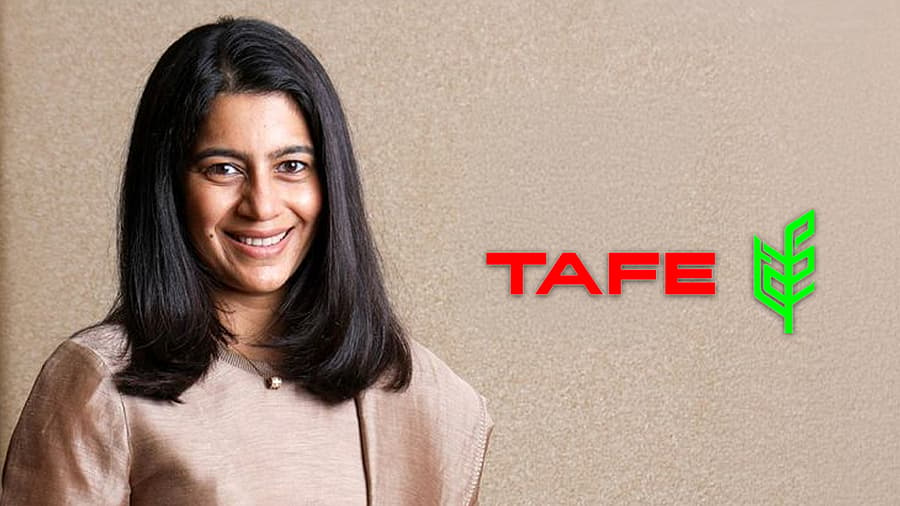
Lakshmi Venu, who serves as the vice chairperson of Tractors and Farm Equipment Limited (TAFE) and is the daughter of TVS Motor Company Chairman Emeritus Venu Srinivasan, has commenced legal proceedings in a Bengaluru civil court. Her lawsuit alleges defamatory reporting by various media outlets concerning the dissolution of her marriage, and she is seeking the removal of this content from online platforms.
In a related but separate legal move, TAFE has also filed its own suit. This corporate action aims to impose restrictions on what it describes as defamatory reporting affecting the company, its associated stakeholders, and members of its board. The company's petition additionally requests the removal and de-indexing of specific online content deemed objectionable.
The Bengaluru civil court convened on October 15 to address these matters. During this initial hearing, the court formally issued summons and notices pertaining to both legal actions, thereby setting the stage for further proceedings.
Court Denies Immediate Gag Order
Despite the urgency implied by the plaintiffs' requests, the Bengaluru civil court declined to issue an interim injunction in either of the suits. This decision means that the immediate "gag order" sought by Lakshmi Venu and TAFE against media reporting was not granted at this preliminary stage, impacting the desired Lakshmi Venu media injunction.
The court's rationale for withholding the interim relief was explicitly stated: it deemed it essential to hear from the defendants before making a determination on the applications for such immediate measures. This highlights a judicial preference for due process over ex-parte injunctions in matters involving media, particularly in a TAFE defamation suit India.
Consequently, the court directed that suit summons and emergent notices be issued to the defendants regarding these applications, with a specified returnable date of December 5. This ensures all parties will have an opportunity to present their arguments before any pre-trial restrictions are imposed by the Bengaluru civil court interim injunction.
Broad Scope of Defendants and Relief Sought
The legal actions initiated by Lakshmi Venu and TAFE target a broad spectrum of entities. Among the named defendants are several prominent media organizations, including Moneycontrol, Financial Express, Times of India, Outlook Business, Lokmat, News24, and Kannada Prabha, alongside numerous other publications involved in reporting marriage dissolution India.
The scope of the injunction sought extended beyond traditional media to encompass major technology platforms. X Corp, Google LLC, Meta Platforms, Instagram, Facebook, and Threads are also explicitly named in the proceedings, reflecting the digital nature of the content in question.
Furthermore, the petitions included unidentified parties, referred to as “Ashok Kumar John Doe.” This "John Doe order India media" approach aims to address content from anonymous or unknown sources. The interim application specifically requested the restraint of publication, circulation, sharing, hosting, and streaming of allegedly false and unverified news concerning TAFE, its stakeholders, and board members, and also sought directives to de-index, de-reference, and render specified URLs non-searchable across search engines.
Implications for Reputation Management and Media Freedom
The Bengaluru civil court's decision to defer an interim injunction in the Lakshmi Venu TAFE gag order case carries significant implications for reputation management strategies and media freedom in India. The court's insistence on hearing all defendants before granting pre-emptive relief underscores a cautious approach to restricting speech, even when allegations of defamation are raised by prominent individuals or corporations.
This judicial stance suggests that obtaining immediate, ex-parte injunctions against media entities, particularly "John Doe" orders for online content, may prove challenging in Indian courts. It reinforces the principle that courts will carefully balance the right to free expression against the right to protect one's reputation, leaning towards a full hearing before imposing restrictions.
For lawyers advising clients on reputation management or seeking injunctions against media, this case serves as a crucial precedent. It indicates that immediate, pre-hearing injunctions against media may be difficult to obtain even for prominent individuals and companies in India, emphasizing the need for robust evidence and a full adversarial process before such relief is granted. The court's reluctance to grant ex-parte interim relief without hearing the defendants highlights this judicial balancing act.
Practical Implications
Lawyers advising clients on reputation management or seeking injunctions against media, particularly 'John Doe' orders for online content, should note the Bengaluru civil court's reluctance to grant ex-parte interim relief without hearing the defendants. This case highlights the judicial balancing act between free speech and reputation protection, indicating that immediate, pre-hearing injunctions against media may be difficult to obtain even for prominent individuals and companies in India.
Source
How does this affect you?
Get an AI analysis of this article grounded in your jurisdictions, practice areas, and any policy documents you've uploaded to Wansom.
Finish Reading the Full Story and the Expert Analysis.
Get the latest legal & regulatory intelligence in India
Wansom is AI and can make mistakes.