
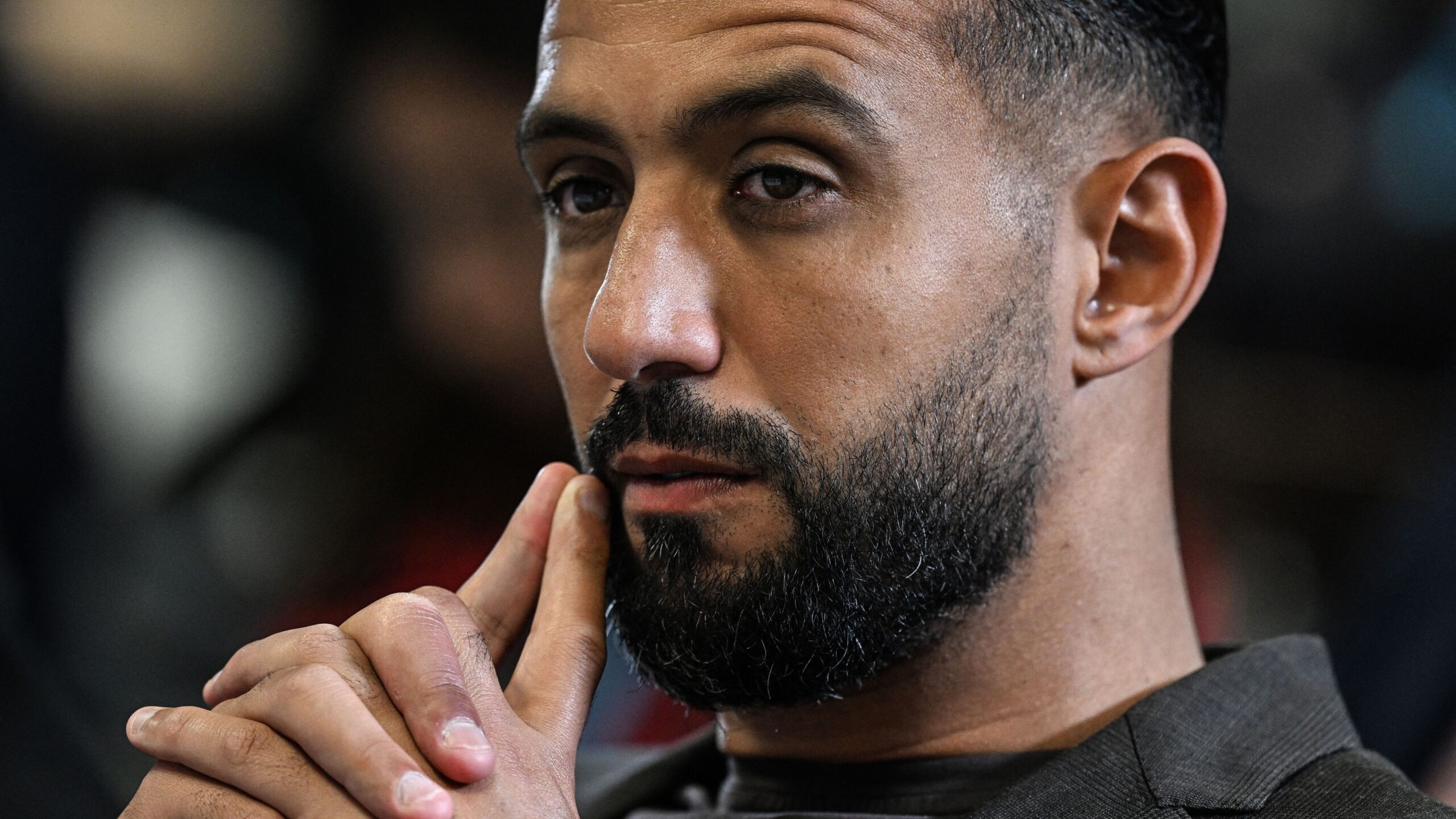
Benatia: CAF Senegal Morocco Final Dispute Reaches TAS
Summary
- Senegal defeated Morocco 1-0 in the January 2026 final after extra time, following a controversial penalty incident.
- The CAF appeal commission subsequently declared Senegal forfeited and awarded the victory to Morocco.
- Senegal has appealed the CAF commission's decision to the Tribunal Arbitral du Sport (TAS).
- Former Moroccan official Benatia criticized the match officials' handling of the incident and described the situation as 'chaos'.
- The TAS verdict, expected by the end of November, will resolve the football arbitration dispute between the two federations.
What Happened
The ongoing dispute underscores the complex multi-tiered resolution processes within international football, demonstrating how decisions by continental federations like CAF can be challenged and ultimately adjudicated by the Tribunal Arbitral du Sport (TAS).
The football final between Senegal and Morocco, contested in January 2026, concluded with Senegal securing a 1-0 victory after extra time. The match was not without significant controversy, particularly during added time when the referee awarded a penalty to Morocco. This decision prompted an immediate protest from the Senegalese players, who temporarily left the field before returning to resume play.
Morocco's Brahim Díaz subsequently failed to convert the awarded penalty. The game then progressed into extra time, where Pape Gueye scored the decisive goal, sealing Senegal's win on the pitch. However, the on-field outcome was later challenged, leading to a significant administrative intervention.
Following the match, the Confederation of African Football (CAF) appeal commission reviewed the incident. This body ultimately decided to declare Senegal forfeited, thereby overturning the on-field result and awarding the victory to Morocco. This ruling has since become the focal point of an ongoing and complex dispute.
Legal Context
The decision by the CAF appeal commission did not mark the end of the contention. Senegal has formally challenged this ruling by taking the matter to the Tribunal Arbitral du Sport (TAS), the highest court for sports arbitration. This move highlights the multi-tiered dispute resolution process available within international football governance, allowing federations to appeal decisions made by continental bodies.
Former Moroccan official Benatia has expressed his reservations about the entire situation, noting that he is uncertain which authority will ultimately resolve the case. He characterized the procedural landscape as 'chaos,' underscoring the complexity and lack of clarity surrounding the final adjudication. The TAS is now tasked with arbitrating the dispute between the Senegalese and Moroccan football federations, with its verdict anticipated by the end of November.
Benatia also voiced criticism regarding the handling of the incident during the match itself. He argued that both the match delegate and the referees should have made a definitive decision at the moment the controversy unfolded. Furthermore, he contended that the return of the Senegalese players to the field and the subsequent resumption of the game should have been given due consideration in any post-match review.
Why It Matters
The ongoing dispute underscores the complex multi-tiered resolution processes within international football, demonstrating how decisions by continental federations like CAF can be challenged and ultimately adjudicated by the Tribunal Arbitral du Sport (TAS). Benatia, who earned 66 international caps for the Moroccan national team, has openly stated that a potential Moroccan title, if confirmed by the CAF decision, would lack genuine significance for him. This sentiment reveals a deeper concern about the legitimacy and integrity of competition outcomes when administrative rulings supersede on-field results.
Senegal, for its part, steadfastly maintains its claim to the title, asserting its right based on the victory achieved during play. The impending verdict from the TAS is therefore crucial, as it will not only determine the rightful champion of this specific final but also potentially set precedents for how similar disputes are handled in African football. The case highlights the critical role of independent arbitration in upholding fairness and resolving high-stakes disagreements within the sport.
Practical Implications
This case highlights the multi-tiered dispute resolution process within international sports, demonstrating how decisions by continental federations (CAF) can be challenged and ultimately adjudicated by the Tribunal Arbitral du Sport (TAS). Lawyers advising sports organizations or athletes should be aware of these procedural avenues for appealing competition outcomes and disciplinary rulings.
Source
Source: Original reporting via Goal.
How does this affect you?
Get an AI analysis of this article grounded in your jurisdictions, practice areas, and any policy documents you've uploaded to Wansom.
Finish Reading the Full Story and the Expert Analysis.
Get the latest legal & regulatory intelligence in Senegal
Wansom is AI and can make mistakes.